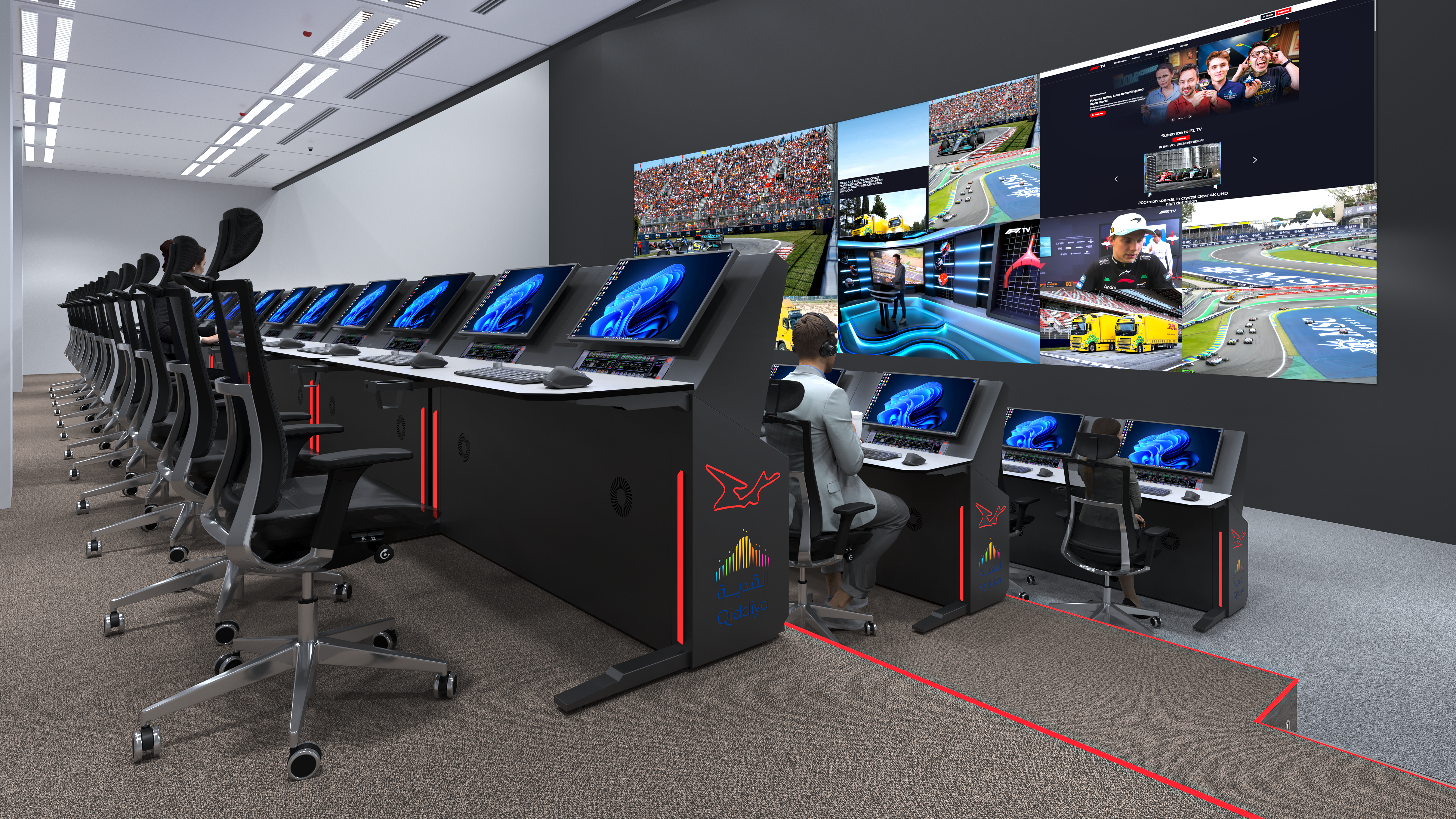
news Traffic Management Control Room Consoles In UAE

Traffic Management Control Room Consoles In UAE

Designing Mission-Critical Consoles for Traffic Control Centres

A traffic control centre does not get a quiet day. It gets peak hours, incidents, adverse weather, and the kind of multi-agency coordination that falls apart the moment an operator cannot see what they need to see, reach what they need to reach, or communicate fast enough.

Traffic management control rooms across the UAE and wider GCC are handling more complexity than they were even five years ago. Dubai's Intelligent Traffic Systems Centre alone connects thousands of monitoring devices, traffic signals, and smart service nodes across the emirate, and the operators inside that centre are making decisions continuously, across twelve-hour shifts, with no margin for slow response. The console they sit at is not a desk. It is the physical interface between the operator and everything the system needs them to manage.

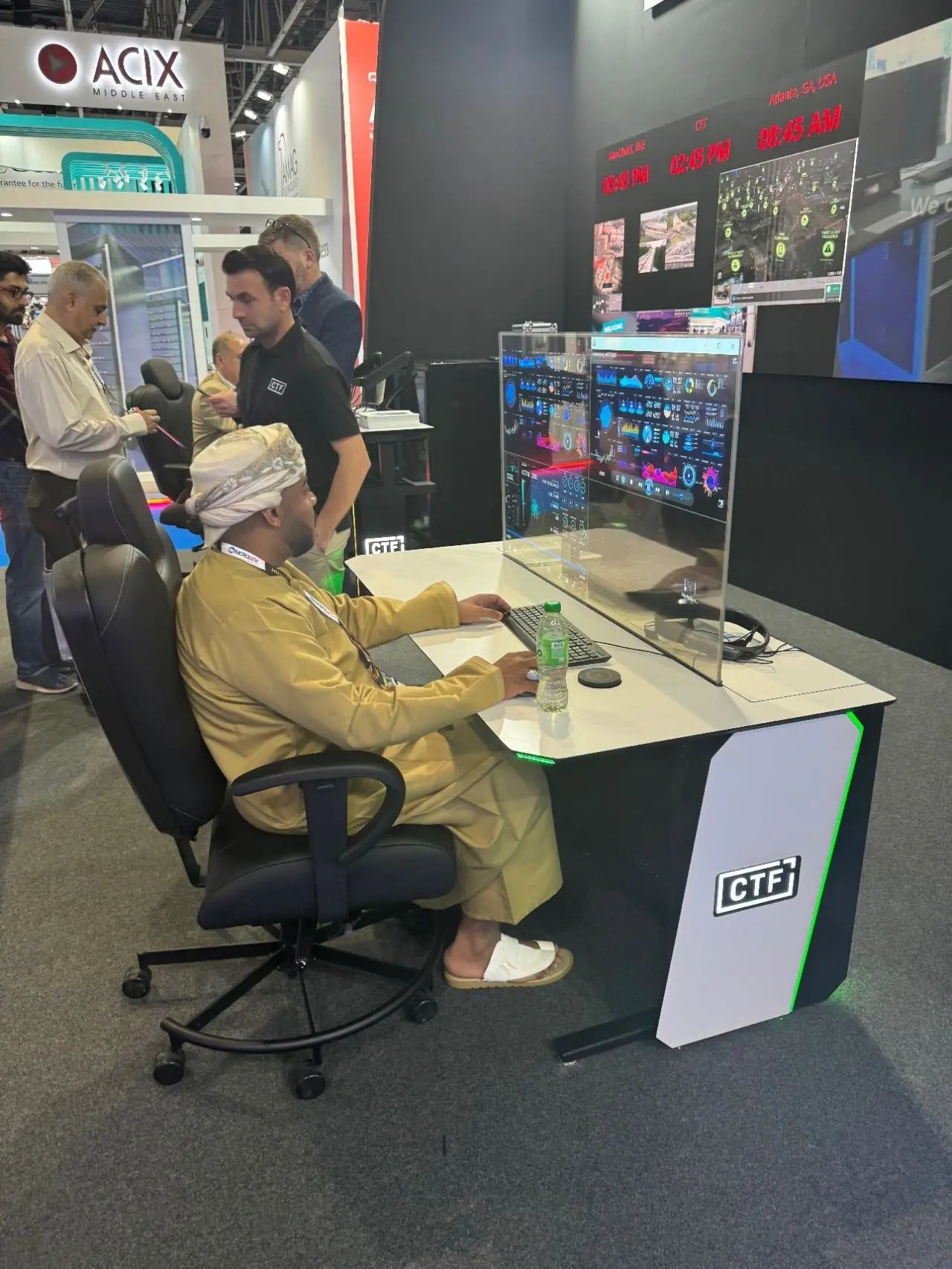
Getting that interface right, the height, the screen positions, the cable routing, the communication equipment placement, the reach zones, the sight lines, determines how long an operator can sustain full performance before fatigue starts affecting decisions. CTF Consoles designs traffic control room consoles for exactly this kind of environment, and the starting point is always the same: what does this operator need to do, continuously, for the full length of their shift?

What Traffic Control Centres Actually Demand From a Console?

It is worth being specific about the operational environment, because traffic management control rooms have particular requirements that generic technical furniture does not address.

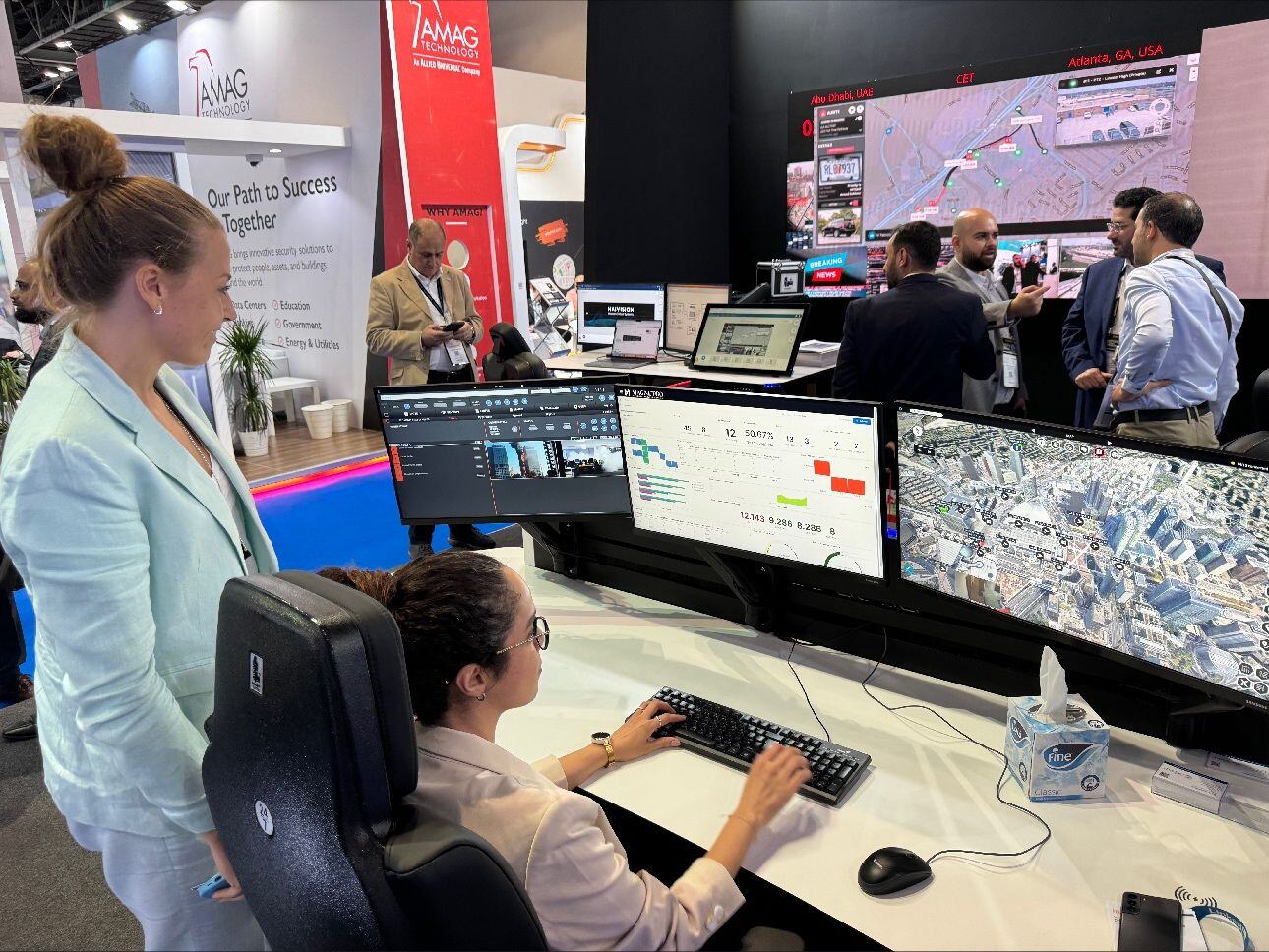
In general, a traffic management operator is at the regional command center, which is the place to watch at a glance the live camera feeds, signal status display, incident log, navigation and mapping overlays, etc. and the various communication channels. A major incident, a road closure, a pile-up, or extreme weather would definitely increase the number of active data streams; in turn, decision speed becomes key; as a result, the physical layout of the workstation has a direct impact on the quality of the response.

This means the console has to handle:

  • High monitor counts - three to six screens per operator position is standard in modern traffic control centres, each carrying different information streams that the operator needs to scan without significant head movement
  • Mixed equipment types - radio communication handsets, keyboard and mouse, touch-screen interfaces, telephone systems, and sometimes dedicated alarm panels all need to be within ergonomic reach without cluttering the work surface
  • Continuous operation - traffic control centres do not have maintenance windows. Equipment access for servicing has to be possible without taking an operator position offline
  • Shift handover efficiency - operators change at shift boundaries, and the incoming operator needs to be productive within minutes. Console layout consistency across positions supports this; idiosyncratic or non-standard layouts undermine it
  • Scalability - room expansions, technology upgrades, and additional operator positions need to integrate cleanly without disrupting existing infrastructure
airporthub

Ergonomic Layout: The Design Principle That Runs Through Everything

Ergonomics in a traffic control room is nothing to do with merely an office job getting comfortable. In fact, it's all about how to keep the operators accurate, their attention is high during their whole shift while the price that they pay for not meeting these requirements will be for different road mishaps, slow emergency response as well as poor public safety.

ISO 11064 is the design standard that CTF follows in all traffic control center projects in the UAE and GCC. This international system sets minimum workstation dimensions, operator reach zones, screen positioning, height requirements for surfaces, and specifications about the acoustic environment of operator work stations. Such guidelines have been issued to safeguard against operator fatigue and poor working conditions being the primary reasons for mistake-making which can lead into potentially dangerous consequences.

A few specifics that matter in traffic management console design:

  • Monitor Positioning

    Primary screens need to sit within the operator's natural resting gaze, roughly 15–20 degrees below horizontal, at a distance calibrated to screen size and resolution. Forcing an operator to look up, or to swivel significantly to check secondary screens, adds a small strain that compounds over twelve hours into measurable fatigue. CTF's ergonomic control room consoles use adjustable monitor arms and structured mounting systems so each position can be fine-tuned to the individual operator without altering the console's structural configuration.

  • Height-Adjustable Work Surfaces

    Height-adjustable consoles have moved from a premium specification to the standard requirement for new traffic management control rooms across Dubai and the wider GCC in 2025–2026. ISO 11064 Part 4 specifies height adjustment as a requirement, not an option, for high-intensity control environments. Operators who can alternate between seated and standing positions through a twelve-hour shift show measurably better alertness in the final hours, which is precisely when traffic incidents and demand peaks often coincide.

  • Reach Zones and Surface Organisation

    Everything an operator uses frequently, keyboard, mouse, communication handset, critical alarm controls, belongs within the primary reach zone: the area reachable without stretching or rotating the torso. Equipment outside this zone gets reached for less readily, which in an incident situation means slower response. CTF designs the surface layout of each traffic control room console around a specific task analysis for that operator role, not a generic layout applied across all positions.

  • Multi-Screen Integration and Equipment Housing

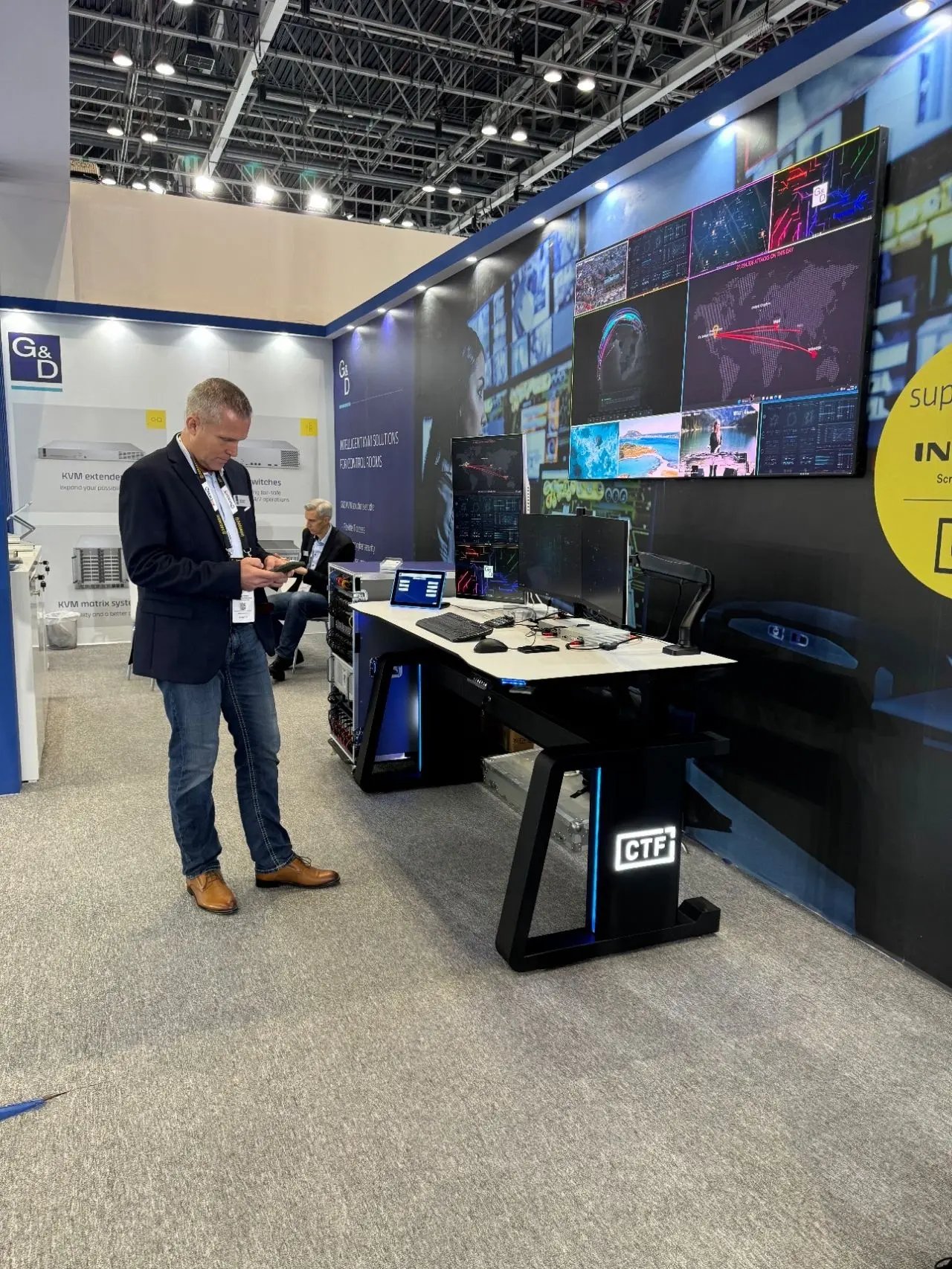
    Most modern traffic control rooms in cities like Dubai, Abu Dhabi, Riyadh and other major GCC cities are running quite high equipment density at each workstation. The console not only has to be a good spatial fit for the devices, but above all, it needs to be a functional solution as well - allowing easy access for maintenance, dealing with heat, not letting cable runs be a source of interference or safety issues.

  • Cable Management

    Dedicated cable trunking separates power and data runs. Service access panels allow cable work without dismantling the console. No exposed runs on the work surface.

  • Equipment Housing

    CPU bays, network switches, UPS units, and communication hardware sit in dedicated ventilated housing below the work surface, accessible for maintenance without disrupting the operator position.

  • Ventilation Design

    In UAE and GCC environments where ambient temperatures are high and equipment runs continuously, console ventilation is engineered around the actual heat load of the housed equipment, not applied generically.

  • Monitor Mounting

    Fully integrated monitor arms with individual adjustment capability. Supports mixed monitor sizes across a single console bank without custom workarounds.

In a traffic management environment, poor cable discipline is not just an aesthetic problem. Cables that obstruct maintenance access, create interference with communication equipment, or fail at a critical moment during an incident have operational consequences. CTF builds cable management into the console structure from the design stage, not as an afterthought during installation.

Operator Visibility and Room Layout

Beyond the individual console, traffic control room design has to account for how the room works as a whole. Supervisor sightlines to operator screens, the positioning of shared display walls relative to individual workstations, the acoustic separation between operator clusters during simultaneous incident management, these are room-level design considerations that feed directly back into how each console is specified and positioned.

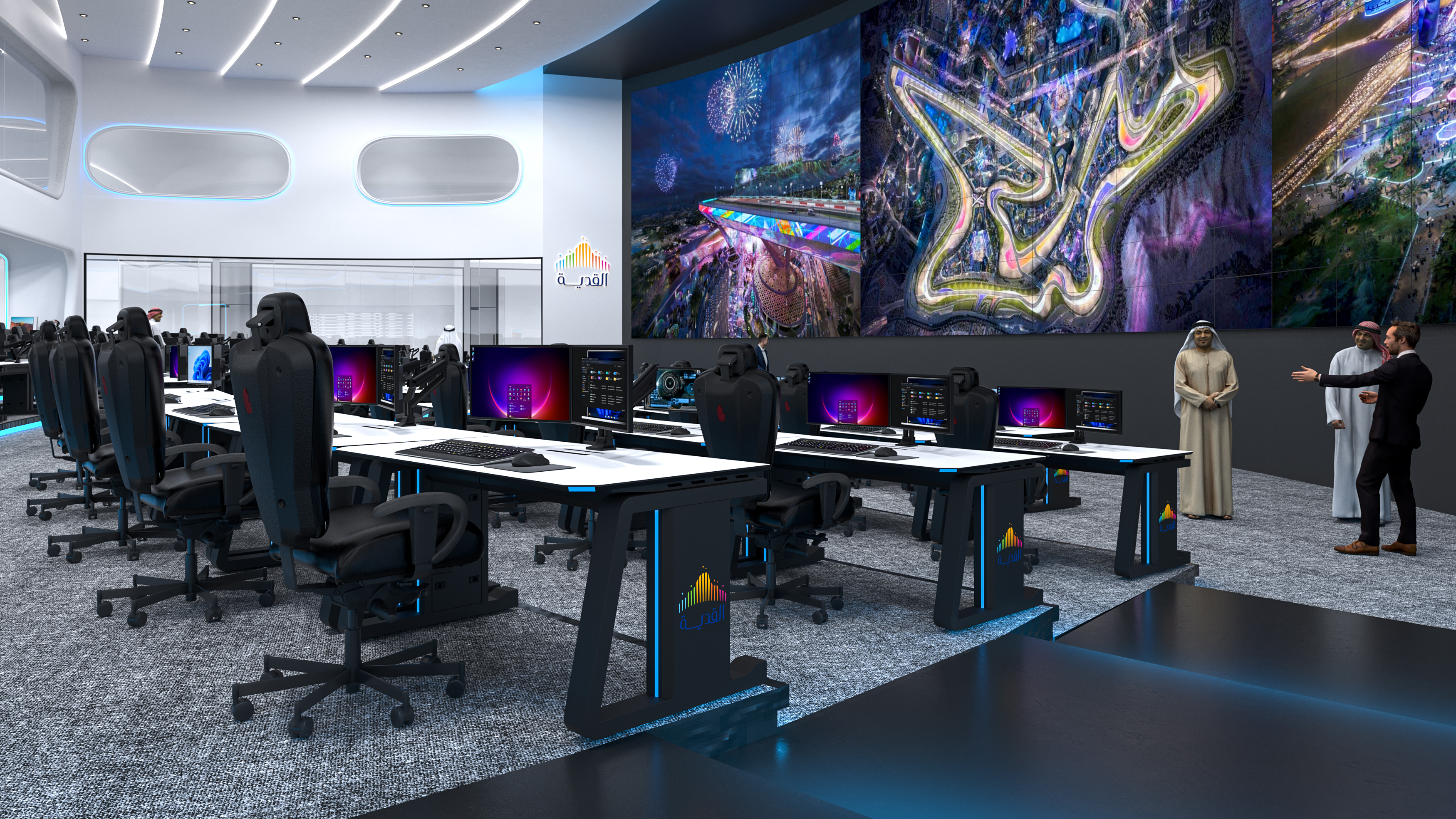
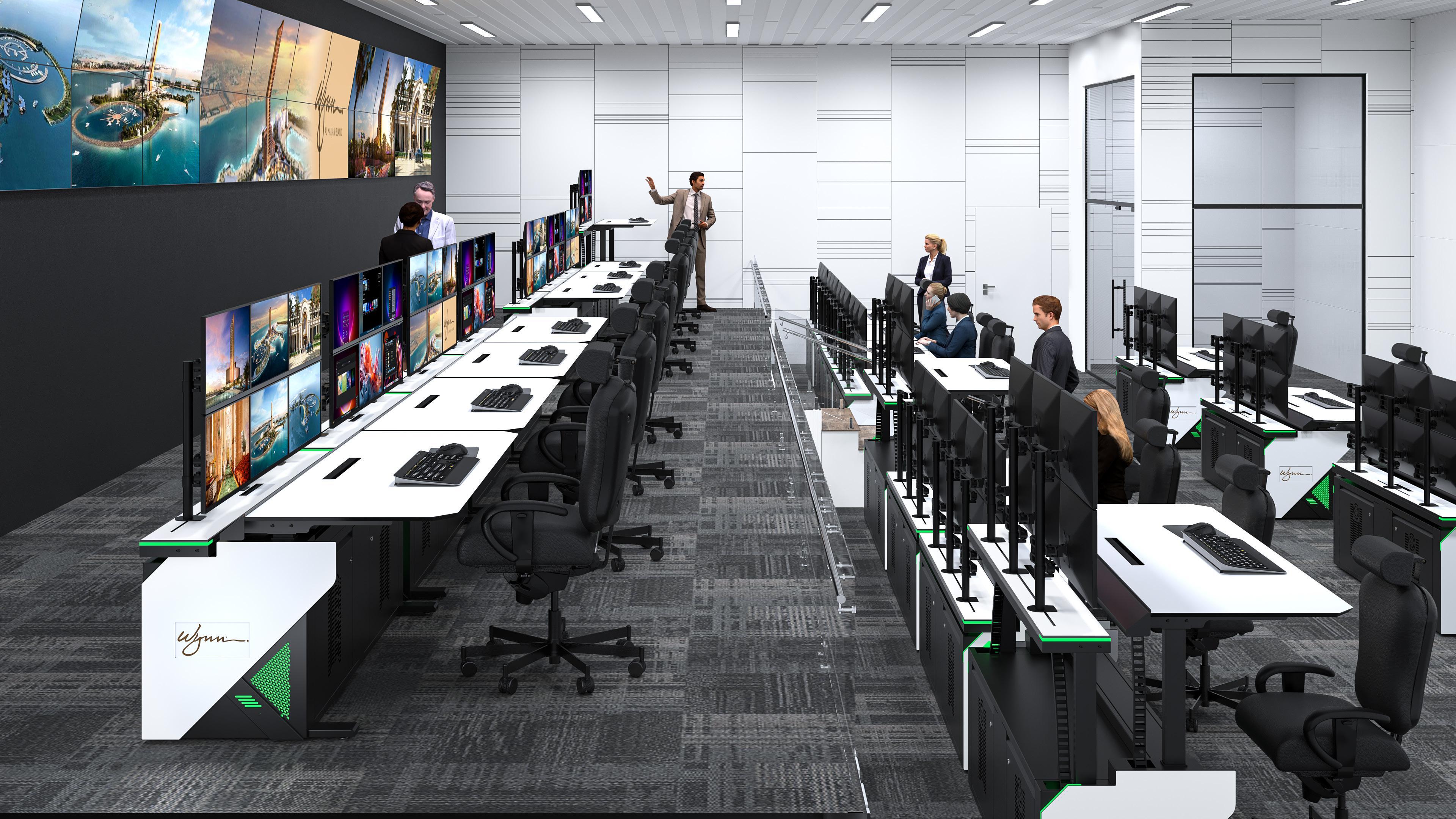
In large traffic management centres, curved console banks are often used to give supervisors clear sightlines to multiple operator positions without requiring them to move constantly. The curve geometry has to be designed in coordination with the display wall position and the room's lighting plan, factors that CTF Consoles addresses as part of a full room design engagement rather than delivering standalone furniture pieces.

Scalability and Future-Proofing

Traffic control technology changes. Camera systems upgrade, software platforms evolve, additional monitoring feeds get added, and rooms that were designed for one operator headcount sometimes need to expand. A console system that cannot accommodate change without full replacement creates significant operational and financial risk over a ten-to-fifteen year asset life.

CTF's modular console architecture for traffic management environments is built with this in mind. Additional operator positions can be added to an existing console bank without structural alteration to existing positions. Technology upgrades, new monitor arrays, different equipment configurations, upgraded communication systems, can be integrated into the existing console infrastructure rather than requiring replacement of the full unit.

For EPC contractors and government transport authorities across Dubai, the UAE, Saudi Arabia, and the broader GCC specifying new or upgraded traffic management facilities, the design principles for mission-critical control room environments that CTF applies across industries translate directly to traffic management, with the specific requirements of continuous monitoring, incident management, and multi-agency communication at the centre of every specification decision.

Communication Systems and Incident Management Integration

Traffic management operators during a major incident are communicating simultaneously, with field units, with other control rooms, with emergency services, sometimes with media or public information systems. The console has to support this without creating physical conflict between communication equipment and monitoring equipment.

CTF designs dedicated communication equipment zones within the traffic control room console, positioned within the primary reach zone, acoustically considered so headset cables do not cross monitor cables, and clearly distinguished from the data monitoring work surface. In multi-agency traffic management centres where different operators handle different communication streams, this zoning is one of the more detailed aspects of the specification process.

gccuae

To Conclude

The traffic control centres being built and upgraded across Dubai, Abu Dhabi, Riyadh, and the wider GCC in 2026 are increasingly sophisticated operations, handling more data streams, more simultaneous incidents, and more integration with smart city infrastructure than any previous generation of traffic management systems. The console at the centre of each operator position needs to match that sophistication: ergonomically specified, equipment-dense but organised, maintainable without disruption, and scalable as the technology and the room's requirements evolve.

That is the brief CTF Consoles works to on every traffic management project, whether it is a single-room upgrade or a full new-build control centre specification across multiple operator positions. Our transportation industry console range is built around the specific operational demands of traffic and transport management environments in the UAE, GCC, and KSA.

Specifying a Traffic Management Control Room in the UAE or GCC?

CTF Consoles designs and manufactures ergonomic control room consoles for traffic management centres across Dubai, the UAE, Saudi Arabia, and the wider GCC, with ISO 11064-compliant specifications, 3-week regional delivery, and a lifetime warranty on the console body.

 
1705504277456
1705504278002
1705590713886
1705046058571
1705504278453
1705590716289