news Modern Control Room Design for Mission-Critical Operations

Modern Control Room Design for Mission-Critical Operations

Modern Control Room Design: Key Elements for Mission-Critical Operations

In mission-critical environments, control rooms act as the central hub where complex systems are monitored, analysed, and controlled in real time. From security command centres to airport operations and utility monitoring hubs, these spaces require precision, efficiency, and reliability.

Across Dubai, United Arab Emirates, the Gulf Cooperation Council, and Saudi Arabia, organisations are investing heavily in modern control room consoles, advanced technical furniture, and integrated control room solutions to support growing infrastructure and 24/7 monitoring environments.

But designing a modern control room goes far beyond installing screens and workstations. It requires a carefully planned approach that considers human performance, operational workflows, and long-term scalability.

Start with a Human-Centred Design Approach

One of the most important principles in control room design is focusing on the people who will use the space every day. Human-factors engineering places operators at the centre of the design process, ensuring that their physical and cognitive capabilities guide every decision in the workspace.

A human-centred approach considers how operators interact with:

  • Monitoring systems and displays
  • Control interfaces and communication tools
  • Lighting and acoustics
  • Workspace layout and ergonomics

When these elements are designed together, operators can maintain higher levels of concentration and situational awareness—two critical factors in mission-critical operations.

Plan the Control Room Layout Strategically

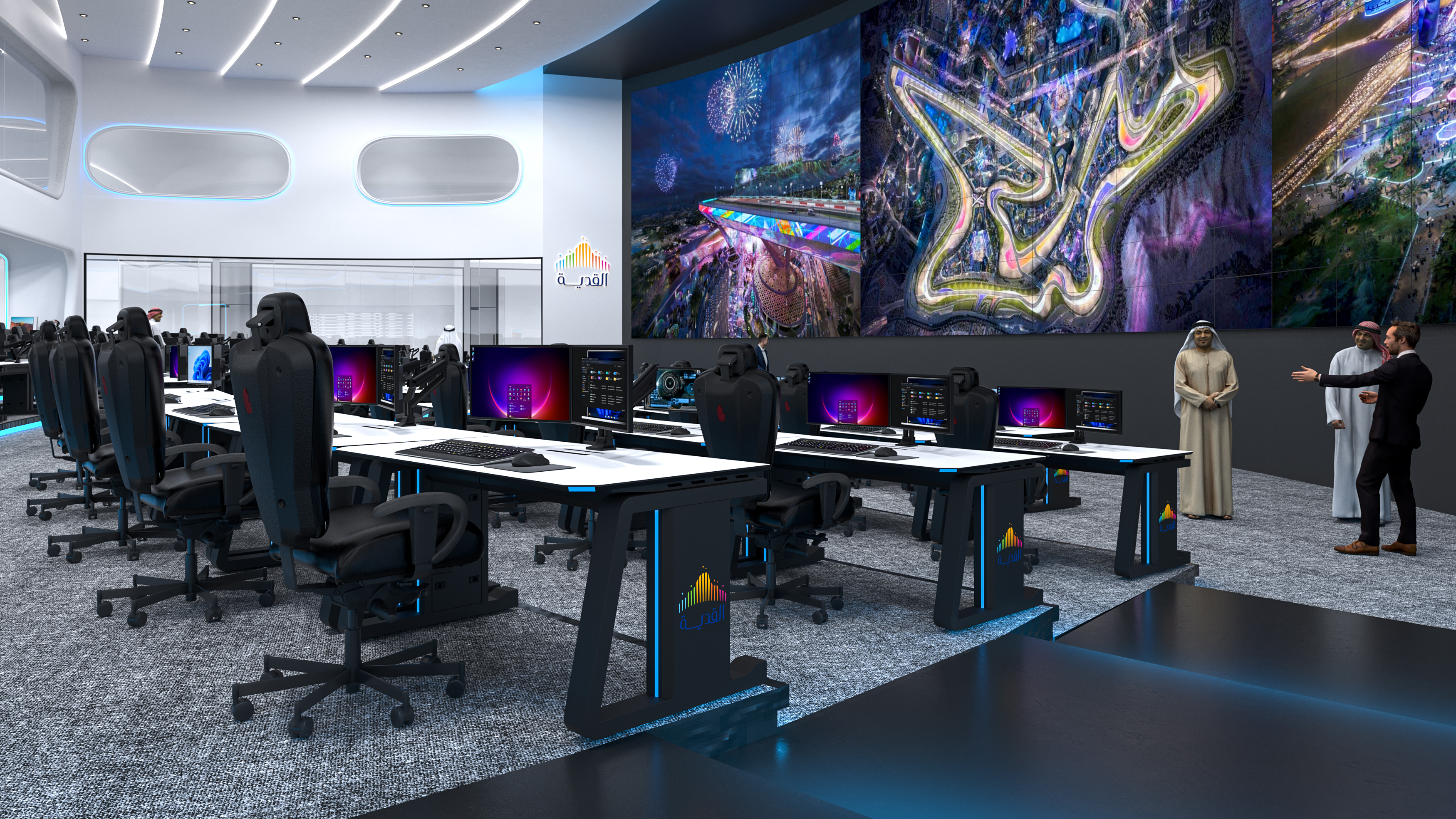
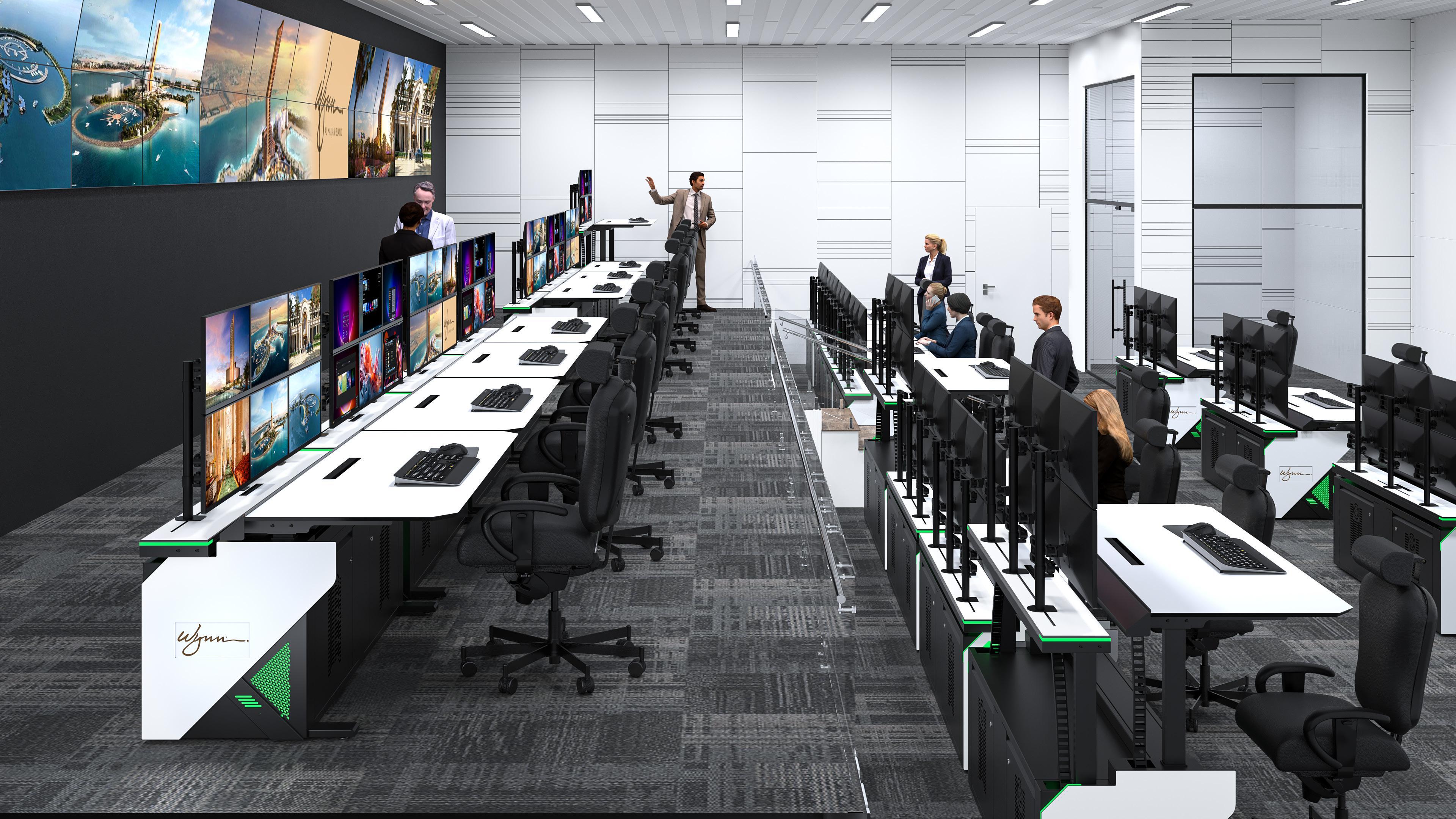
A well-designed control room layout ensures that operators can easily monitor systems, communicate with colleagues, and respond to incidents quickly.

The overall space should consider factors such as room dimensions, circulation paths, visibility of video walls, and acoustic control. Even aspects like raised flooring and indirect lighting play an important role in supporting operator comfort and safety.

Effective layout planning also helps teams collaborate more efficiently while maintaining clear visibility across different workstations.

Invest in Ergonomic Control Room Consoles

Operators working in command centres often spend long hours monitoring systems. Poor workstation design can lead to fatigue, discomfort, and reduced productivity.

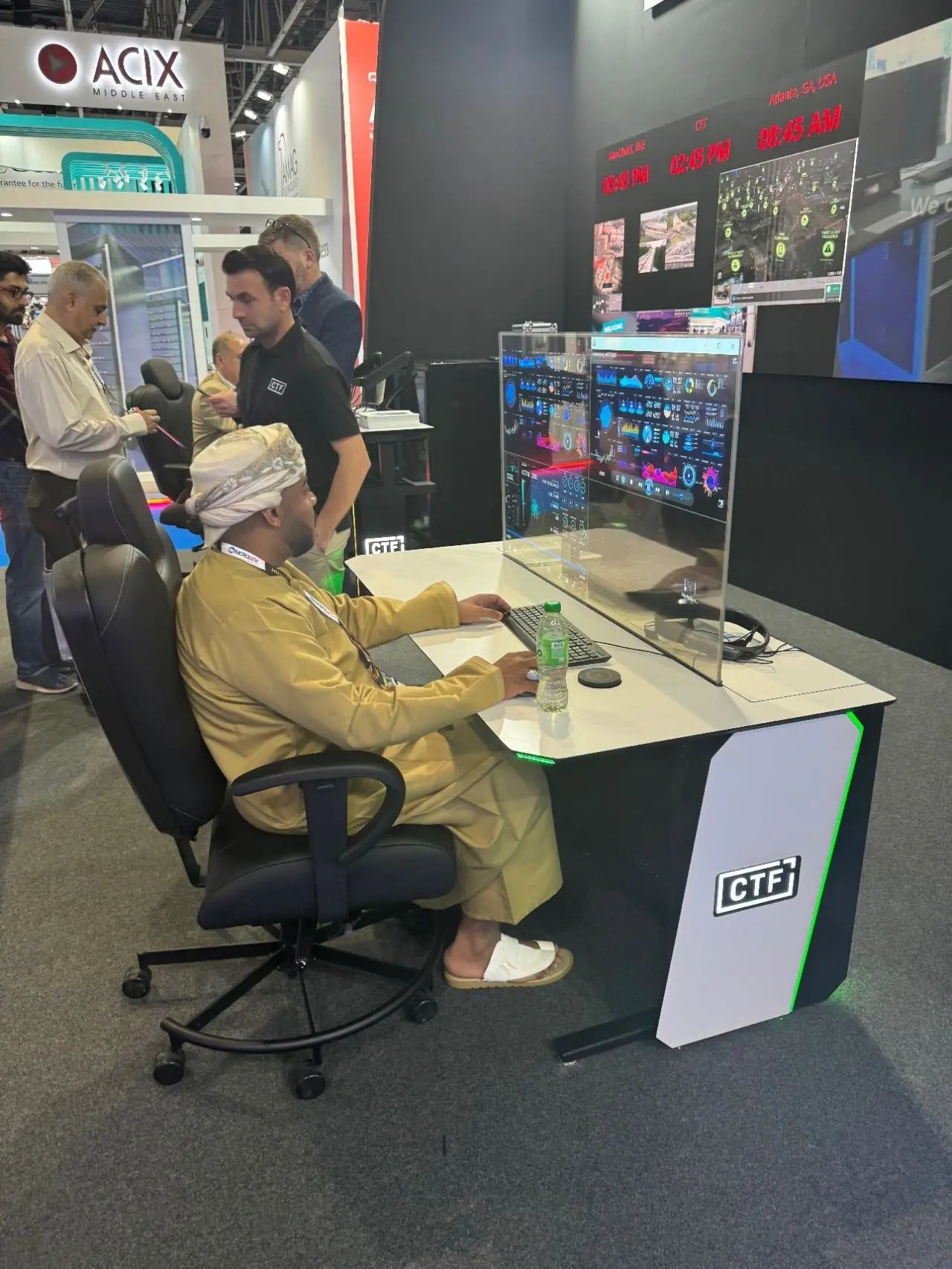
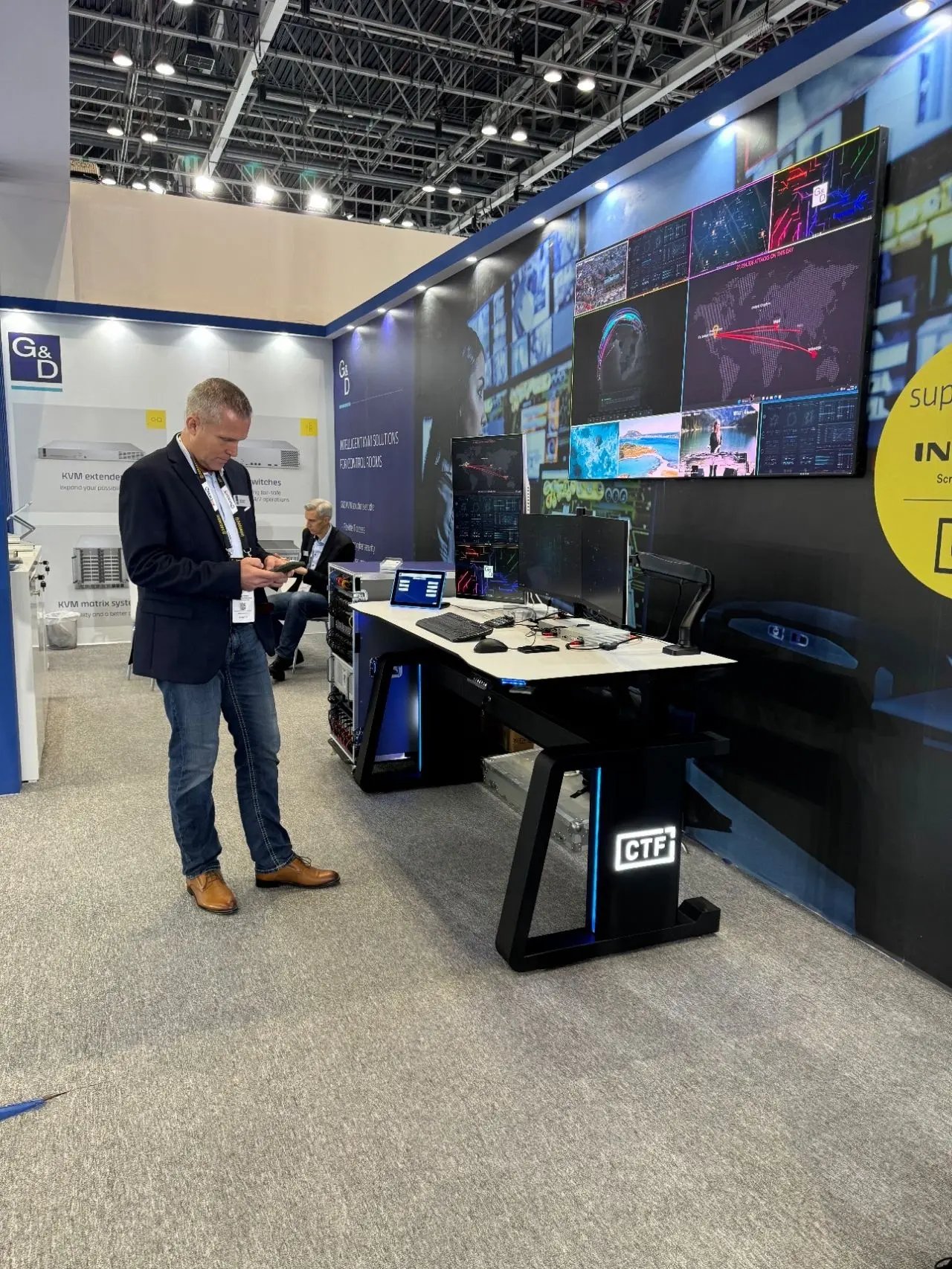
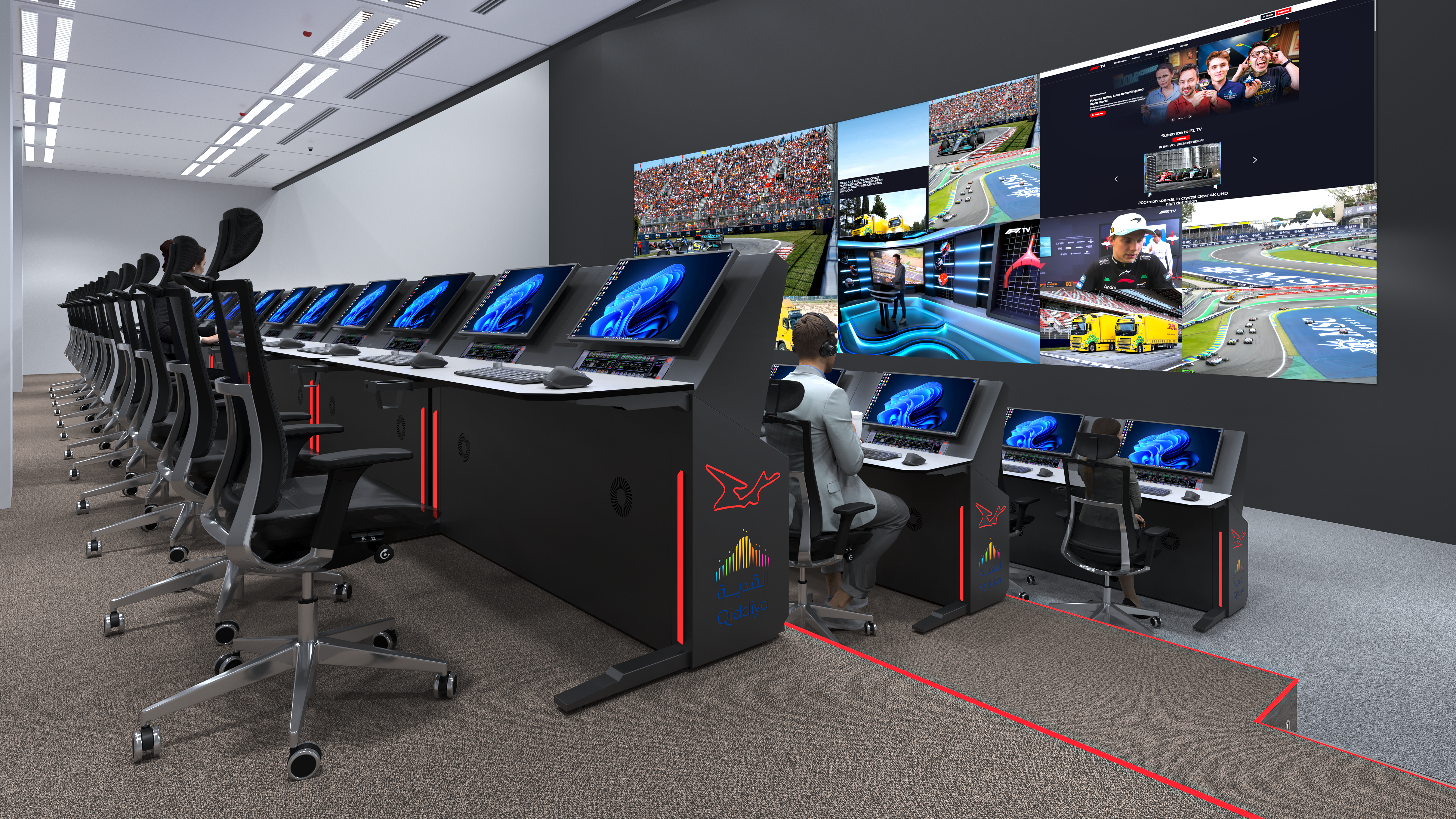
Modern control room consoles & technical furniture are designed to address these challenges through features such as:

  • Height-adjustable sit-stand desks
  • Flexible monitor mounting systems
  • Integrated cable management
  • Equipment storage and ventilation

Ergonomic console design allows operators to maintain a natural posture while accessing multiple screens and control interfaces without unnecessary movement.

This not only improves comfort but also enhances operational accuracy and response time.

Use Technical Furniture Built for Mission-Critical Environments

Unlike standard office desks, technical furniture used in control rooms must support complex equipment, heavy workloads, and continuous operations.

High-quality control room furniture typically includes:

  • Robust construction for long-term durability
  • Modular configurations for system expansion
  • Integrated power and cable management
  • Easy maintenance access for IT equipment

These features ensure that the control room can adapt as technologies and operational requirements evolve.

Follow a Structured Design and Build Process

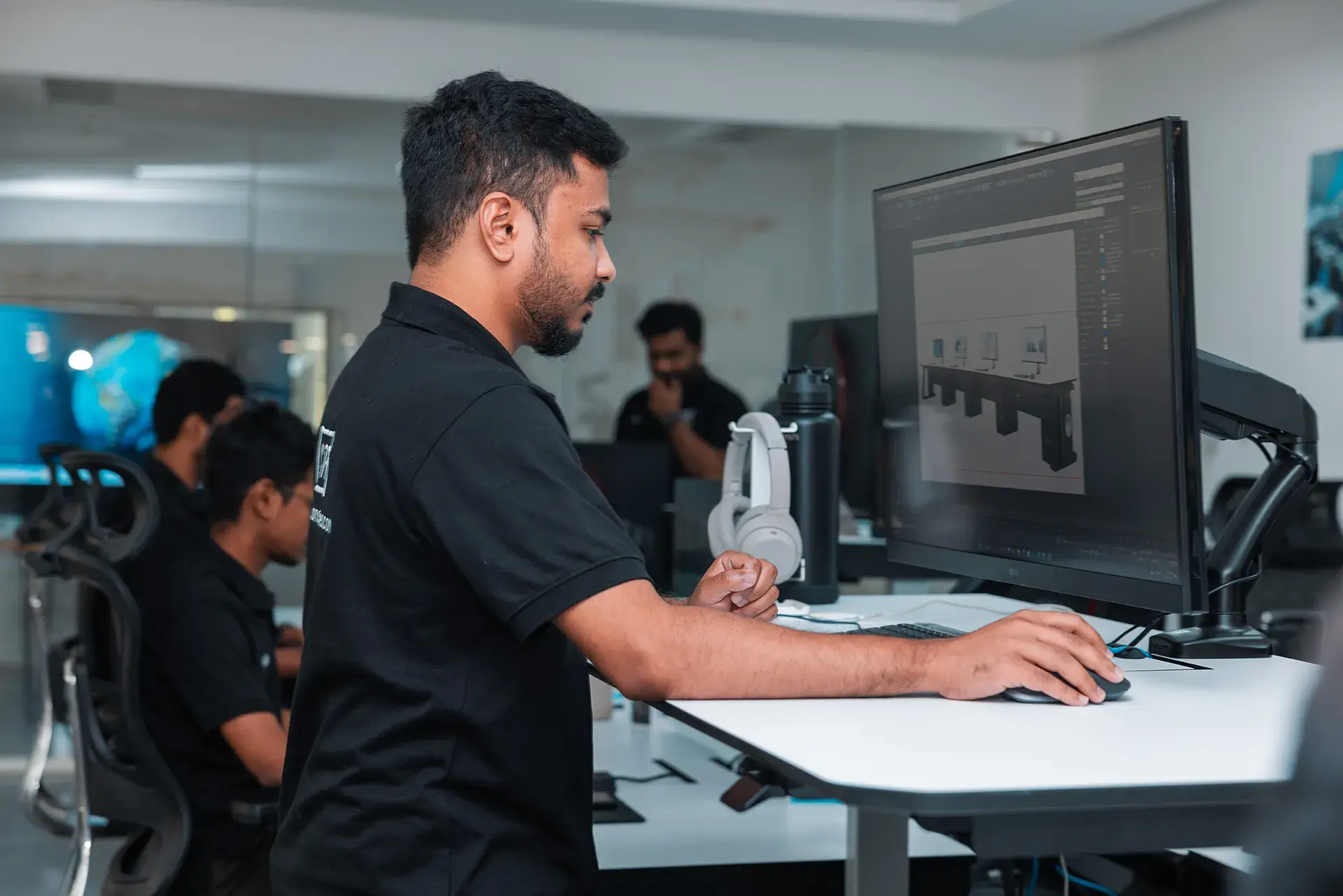
Creating an effective control room requires collaboration between designers, engineers, and end users. Many leading manufacturers use a structured design and build process that ensures each stage of the project is carefully planned and tested.

For example, CTF Consoles applies an agile design methodology, working closely with clients to develop bespoke console systems that meet specific operational needs.

Quality control is also a key part of the process. Manufacturing and engineering stages follow rigorous standards to ensure reliability, performance, and long-term durability in demanding environments.

This collaborative approach ensures that the final control room design aligns with both operational goals and technical requirements.
Design for Future Growth and Technology Integration

Control rooms are long-term infrastructure investments, and their design should support future expansion.

Modern control room solutions should allow organisations to easily add:

  • Additional operator workstations
  • New monitoring systems
  • Advanced video wall technology
  • Upgraded communication platforms

Modular console designs and flexible room layouts make it easier to scale operations without requiring a complete redesign of the control room.

The Impact of Good Control Room Design

When all these factors come together—human-centred design, ergonomic consoles, and strategic planning—the results can be significant.

Organisations often experience:

  • Higher operator productivity
  • Faster response to incidents
  • Reduced fatigue during long shifts
  • Improved collaboration between teams
  • A safer and more organised operational environment

In mission-critical sectors such as security, transportation, energy, and utilities, these improvements can directly influence operational reliability and safety.

Conclusion

Designing a modern control room is a complex process that requires a deep understanding of both technology and human performance. By focusing on ergonomic workspaces, efficient layouts, and scalable infrastructure, organisations can create environments that support operators and enhance operational success.

With the right combination of control room consoles, technical furniture, and customised control room solutions, businesses across Dubai, the UAE, the GCC, and Saudi Arabia can build control centres that are efficient, reliable, and future-ready.

1705504277456
1705504278002
1705590713886
1705046058571
1705504278453
1705590716289