Is Your SOC Room Smart Enough for Modern Security?
Here's an uncomfortable number to sit with. After just 12 minutes of continuous video monitoring, an operator is likely to miss up to 45% of what's happening on screen. Push that to 22 minutes, and the miss rate jumps to a staggering 95%. Read that twice if you need to, because it's not a typo, and it's not about a lazy or careless operator either. It's simply what happens to human attention when the environment around it isn't built to support focus for hours on end.
That's the real question worth asking about a SOC room in 2026, not whether the cameras are good enough or the software is smart enough, but whether the physical space itself is actually helping your operators do their job, or quietly working against them.
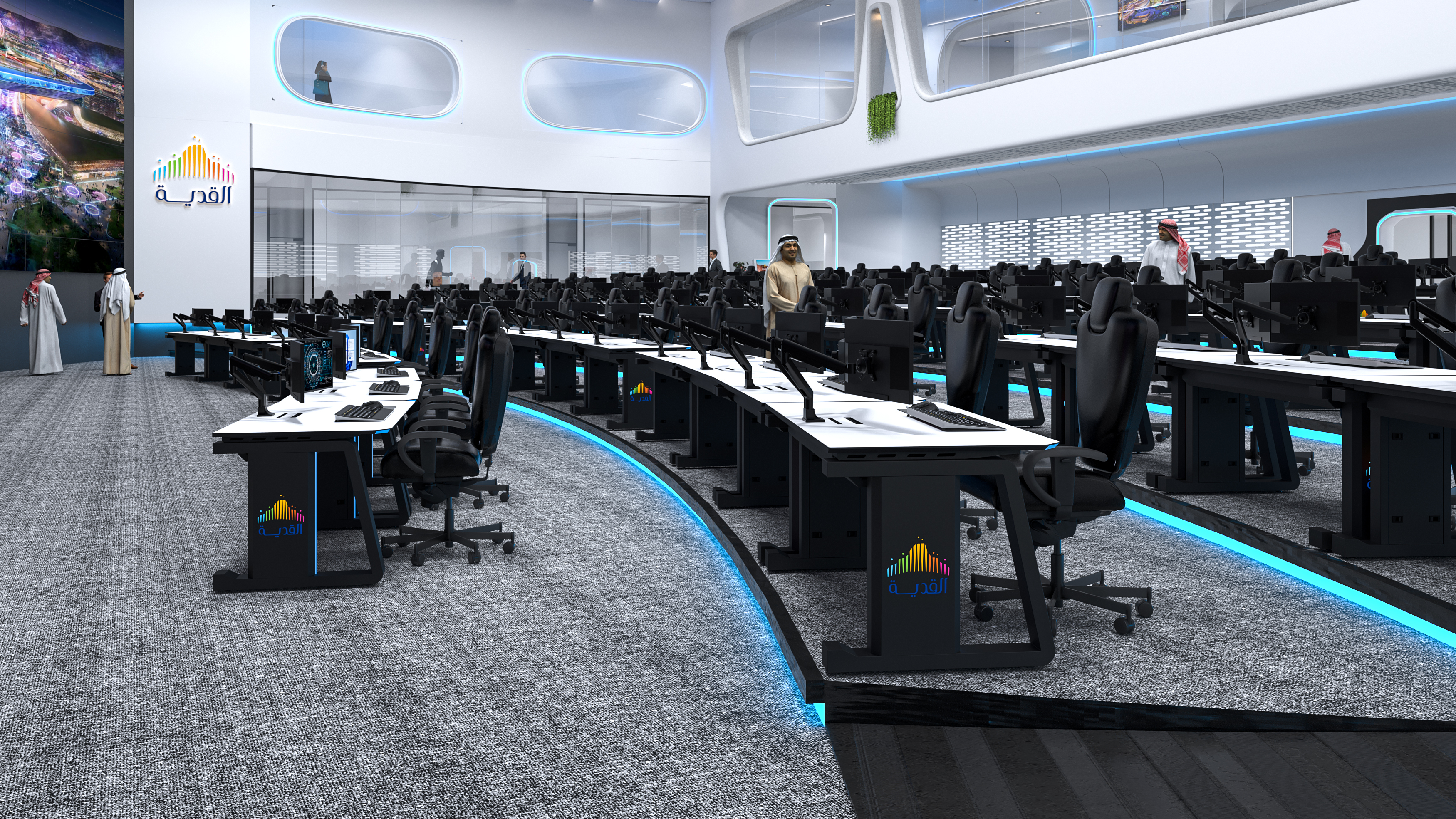
Why "Smart" SOC Design Is About More Than Screens?
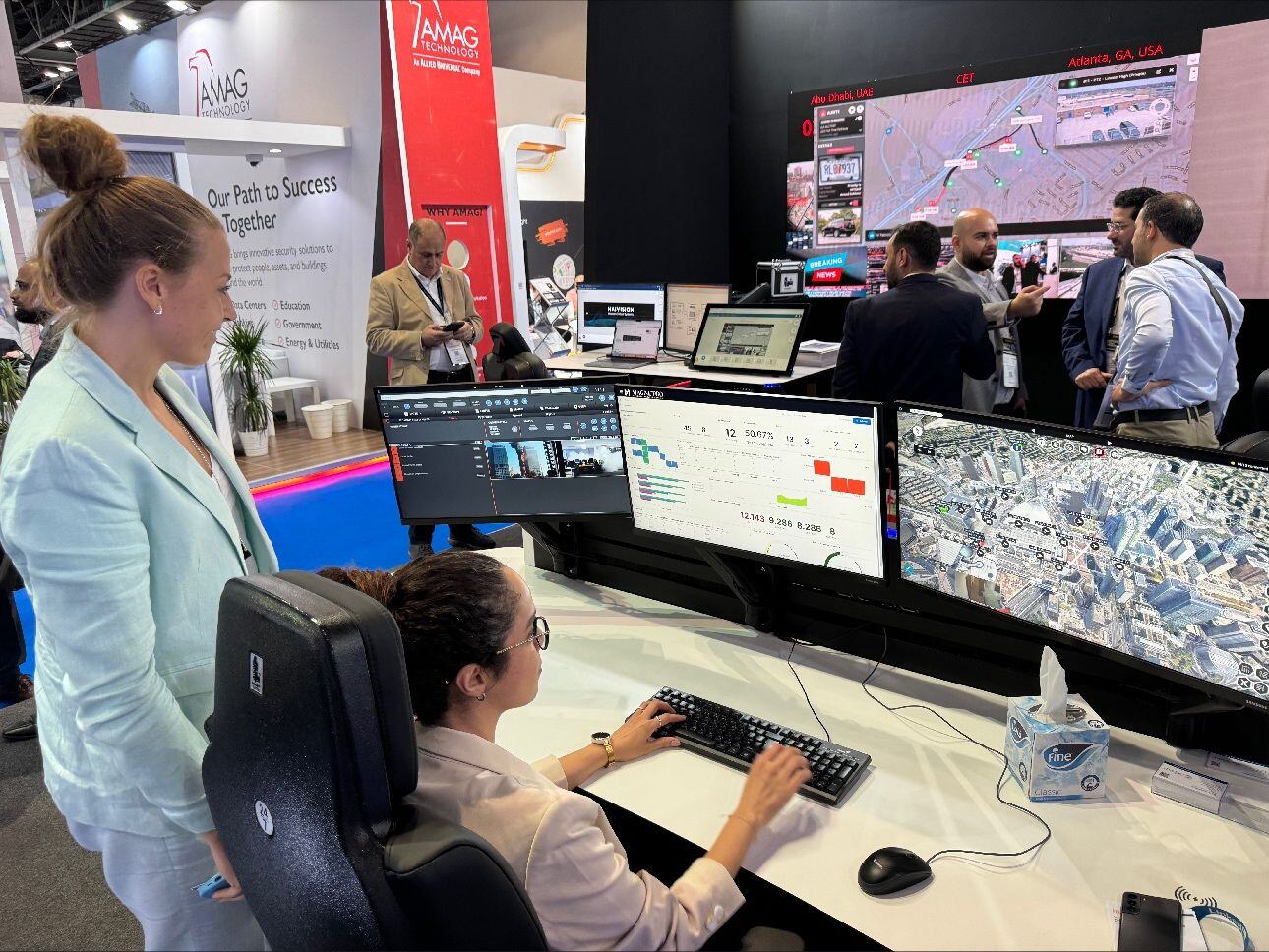
It's easy to assume a modern SOC is defined by its technology, AI-powered analytics, facial recognition, threat detection dashboards, and endless video walls. And that tech absolutely matters. But all of it depends on a human being alert enough to notice, interpret, and act on what's in front of them, often during a 12-hour shift, often at 3am, often while juggling multiple monitors and data streams at once.
A control room built around folding tables, mismatched furniture, or generic office desks isn't a minor inconvenience, it's a design failure that directly undermines the very technology it's supposed to support. Security teams are already stretched thin, alert volumes keep climbing, and asking operators to stay razor-sharp in a workspace that wasn't engineered for that job sets the whole operation up to underperform.
What ISO 11064 Actually Covers, and Why It Matters in the UAE?
ISO 11064 is the international standard defining ergonomic control room design, and it has become the industry standard for regulators and project specifications in high-risk industries like energy, utilities, transportation, and defence. Also, the standard is increasingly used for Security Operations Centres (SOCs) in the UAE.
The standard isn’t about aesthetics or premium finishes; it’s really a practical operator-first framework that talks through console dimensions, monitor positioning, room acoustics, lighting, and the whole spatial workflow basically. It exists because enough control rooms were quietly causing operator error simply through poor layout, and the industry needed a systematic way to fix that instead of guessing.
For UAE security operations specifically, working to ISO 11064 control room standards isn't just good practice; it's increasingly what serious clients and regulators expect to see when evaluating whether a facility is genuinely fit for mission-critical work.
What Actually Makes a Control Room Console "Smart"
A genuinely well-designed console isn't just a desk with more buttons. A handful of specific elements separate a purpose-built setup from a workspace that's technically functional but quietly working against your team.
-
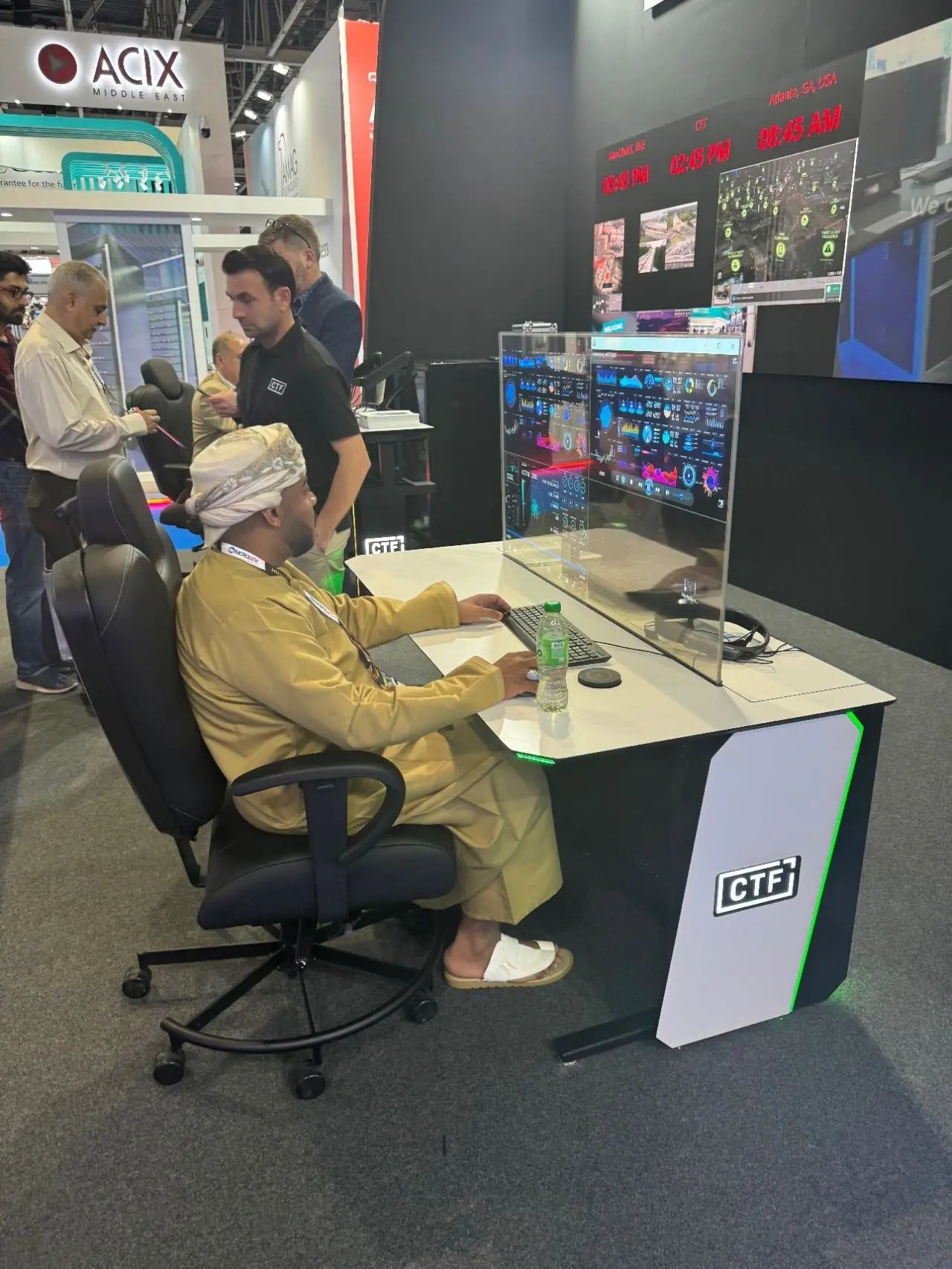
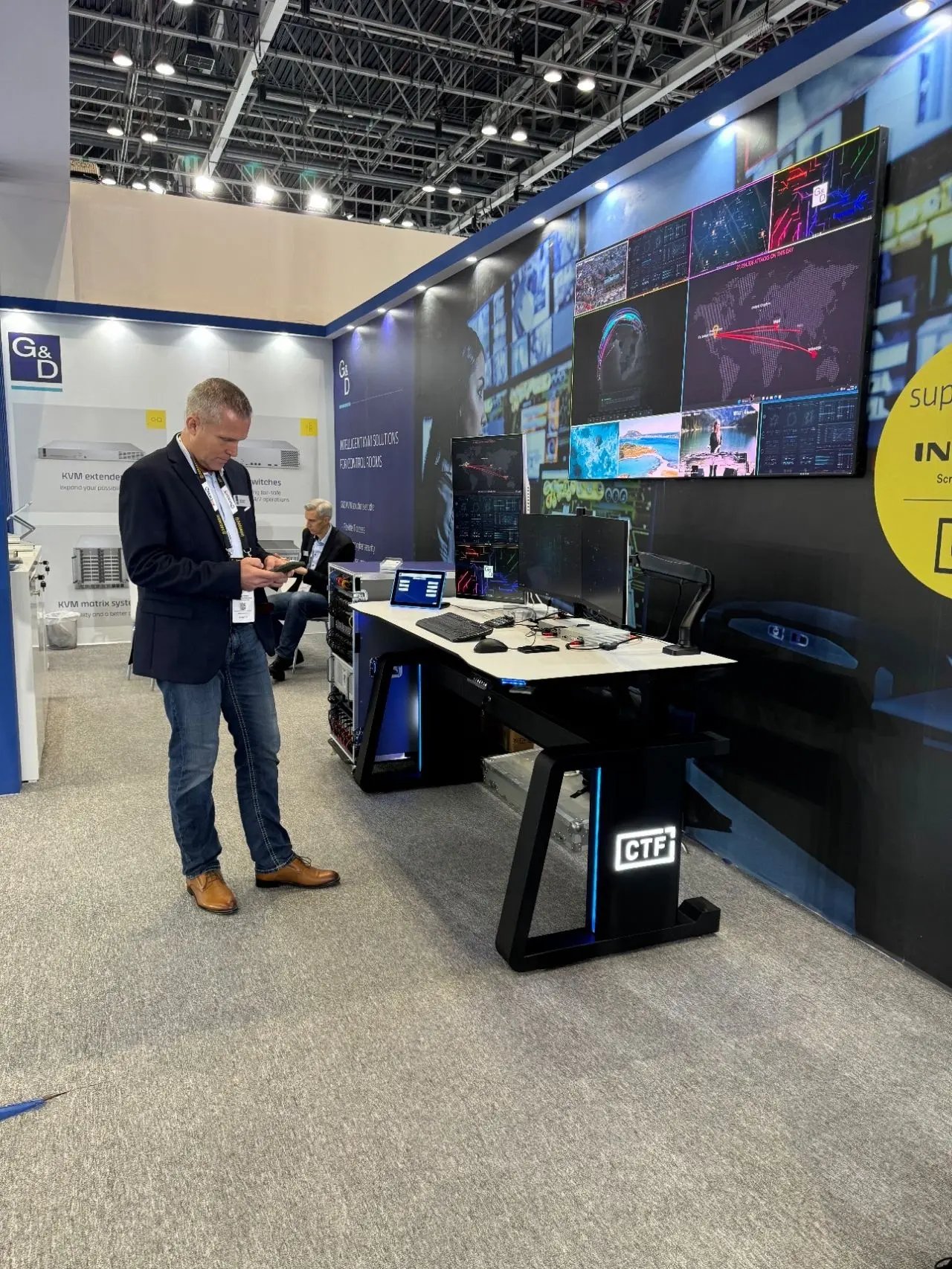
Height-adjustable control room consoles give operators the ability to shift between sitting and standing through a long shift, which sounds like a small detail until you consider how much posture strain accumulates over 12 hours at a fixed-height desk, and how directly that fatigue ties back into the attention drop-off we opened with.
-
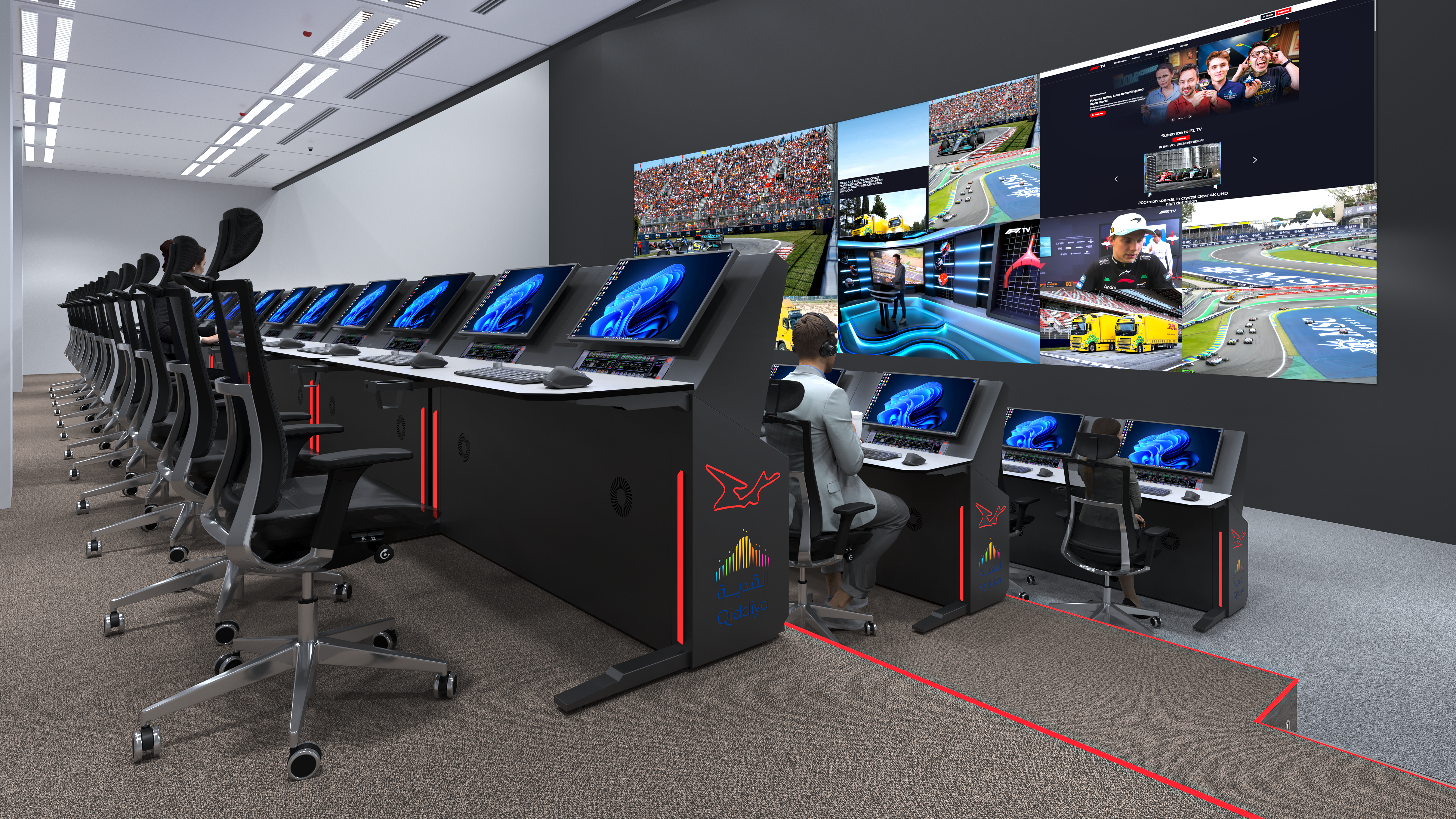
Ergonomic control room consoles account for reach zones, monitor distance, and screen angle, reducing the neck and eye strain that builds up during extended video monitoring. Getting this wrong doesn't just cause discomfort; it actively contributes to the kind of missed-detail failures that matter most in a security context.
-
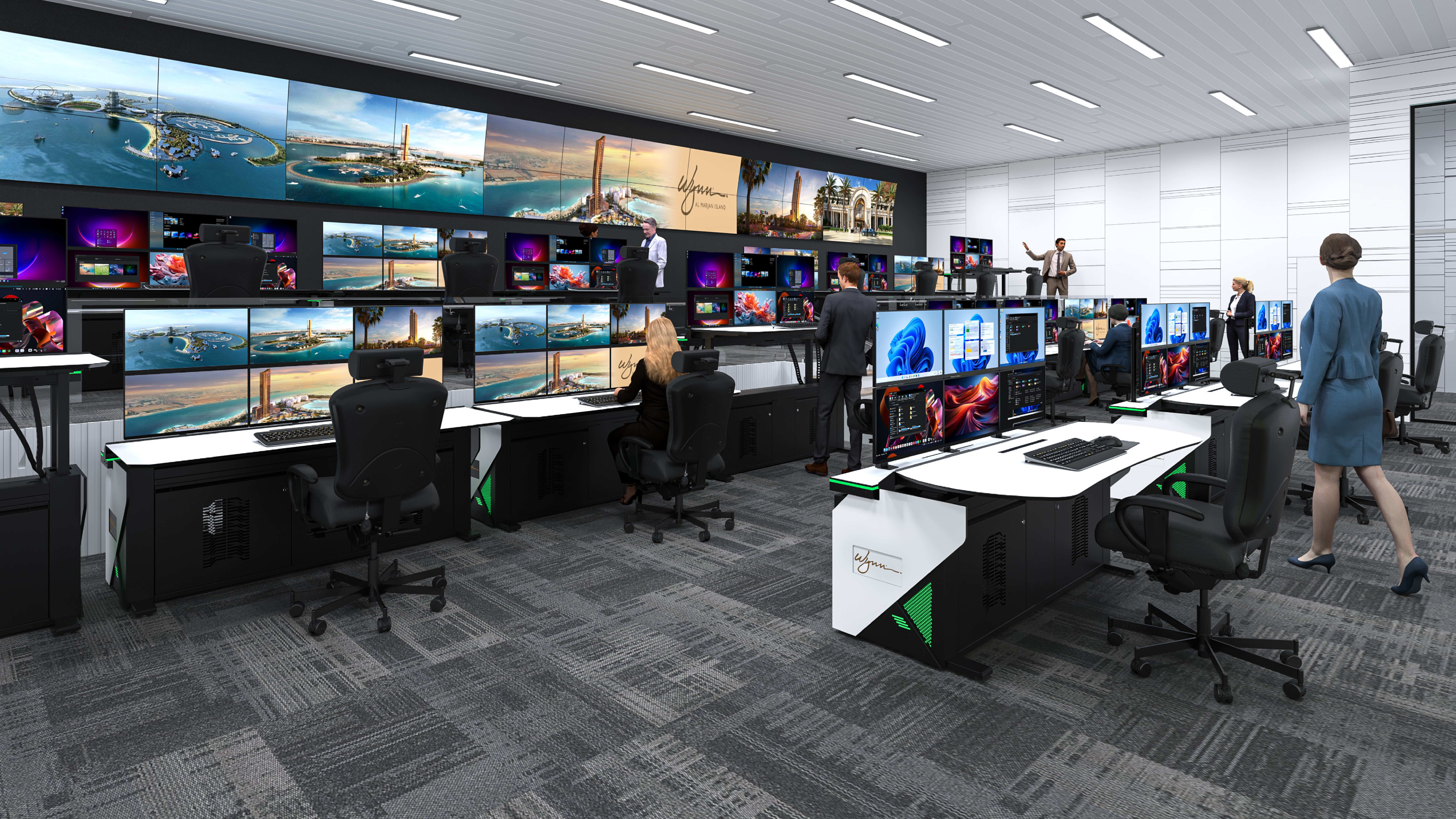
Structured cable management keeps a multi-monitor, multi-system setup from turning into a tangled mess that's both a safety hazard and a maintenance nightmare every time equipment needs upgrading, which, in a security environment, happens more often than most facilities plan for.
-
Modular scalability means the console can grow and reconfigure as technology changes, without requiring a full room rebuild every time a new system gets added. Mission-critical furniture that can't adapt tends to get worked around rather than worked with, which defeats the purpose entirely.
-
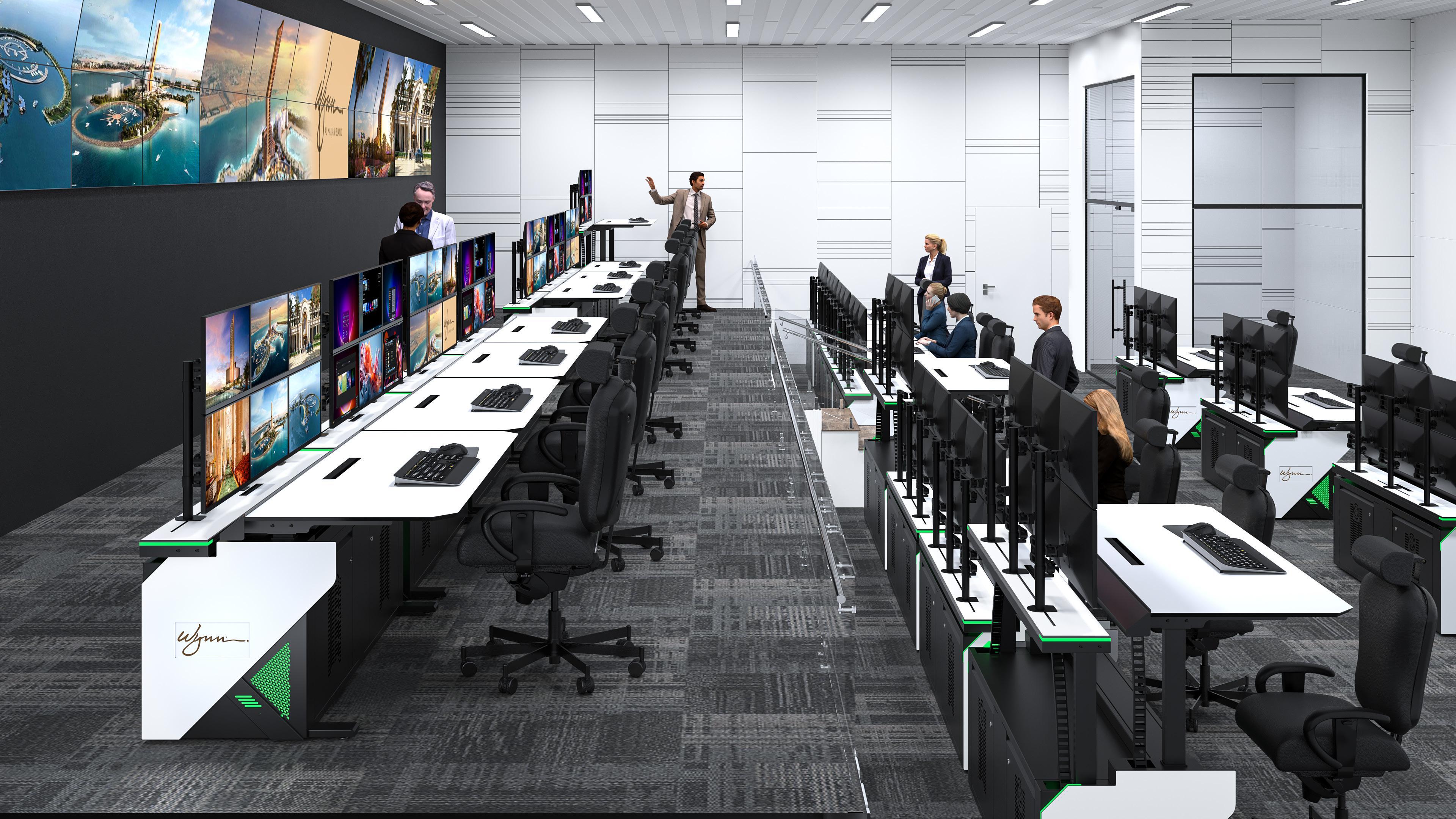
Multi-operator coordination matters in any SOC where more than one person needs shared sightlines to the same video wall or shared access to critical data; layout has to account for how teams actually communicate under pressure, not just where the desks fit.
Common SOC Design Mistakes We Still See
A few patterns show up again and again in control rooms that were never properly designed for the job. Furniture bought purely on cost, generic office desks or those basic flat-pack consoles, with no real consideration for ergonomics, or long shift comfort. Monitor placement ended up being decided after the furniture was already installed, so operators get stuck in weird viewing angles that weren’t even part of the original plan. Cable management was treated like a secondary task, which led to tangled setups, and then even a simple hardware swap turned into a half-day job. And layouts that ignore how operators actually need to communicate and coordinate with each other during a live incident, prioritising individual workstations over genuine team visibility.
Every one of these mistakes is avoidable, and every one of them chips away at the same thing: an operator's ability to stay focused and effective across a full shift.
Building a SOC That Actually Supports Your Team
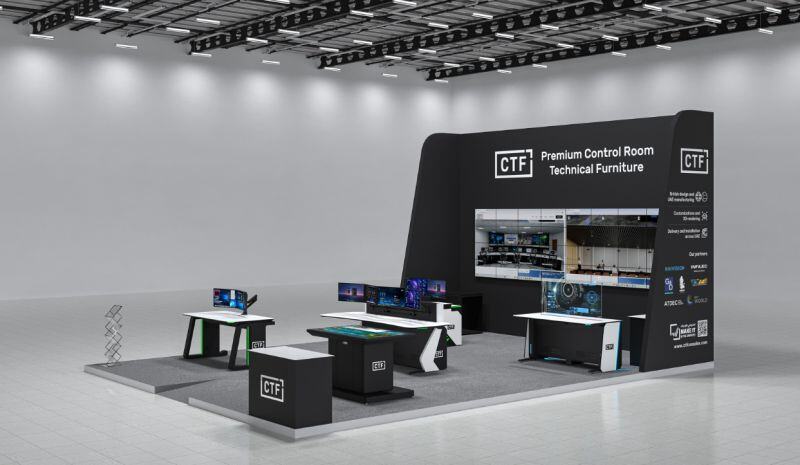
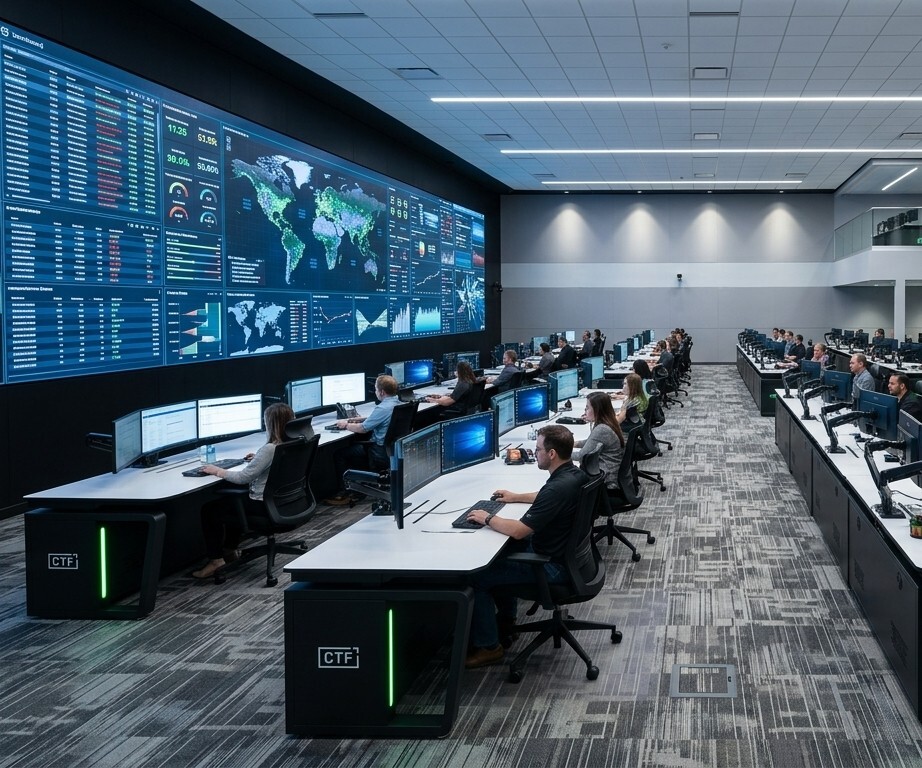
In principle, the solution is quite simple: it is a custom console design based on the real work methods and habits of your operational team rather than a "set and forget" ready-made catalog offering. This results in workstations that are more exactly sized and placed to suit operators' reach and sightlines, height-adjustable desks allowing real and flexible sit-stand working, integrated power and cable management hidden beneath or on console structures instead of being attached afterwards, and a desk arrangement that enables both solitary focused monitoring requiring full alertness and a collaborative approach when multi-operator response is needed due to an actual incident.
Retrofitting an existing SOC with properly designed consoles is genuinely common and doesn't require rebuilding a facility from scratch; most upgrades can be planned around your existing room footprint and infrastructure. What matters is treating the console procurement process the way you'd treat any other mission-critical investment, with real ergonomic planning behind it, not as a furniture purchase to tick off a checklist.
If your team is weighing a control room upgrade, our security and surveillance solutions are built specifically around the demands of 24/7 security operations, and our full console range covers everything from height-adjustable operator workstations to fully custom command centre builds.
The Bottom Line
A SOC room isn't smart because of the software running on its screens; it's smart because the physical environment is actually built to keep the people watching those screens alert, comfortable, and effective for the length of an entire shift. Given how sharply human attention drops off in exactly this kind of monitoring work, the console and layout your operators sit at isn't a background detail; it's one of the most direct levers you have over how well your security operation actually performs.
If your current setup is leaning more on outdated furniture than genuine ergonomic design, that gap is worth closing before it shows up as a missed alert at the worst possible moment.
Contact The CTF Team