The Complete Guide to Control Room Consoles and Control Room Design
What is the most important part of a control room, the technology it runs, the room it is in or the console every operator works at every day?
The answer is the console. It is where decisions get made, incidents get managed, and operator performance is either supported or undermined across an eight, ten, or twelve-hour shift. And yet, in a lot of control room projects across the UAE and GCC, the console specification happens last, after the room layout and technology choices have already been locked in. That order is backwards. This guide covers what you need to know to get it right from the start.
What Control Room Consoles Actually Do?
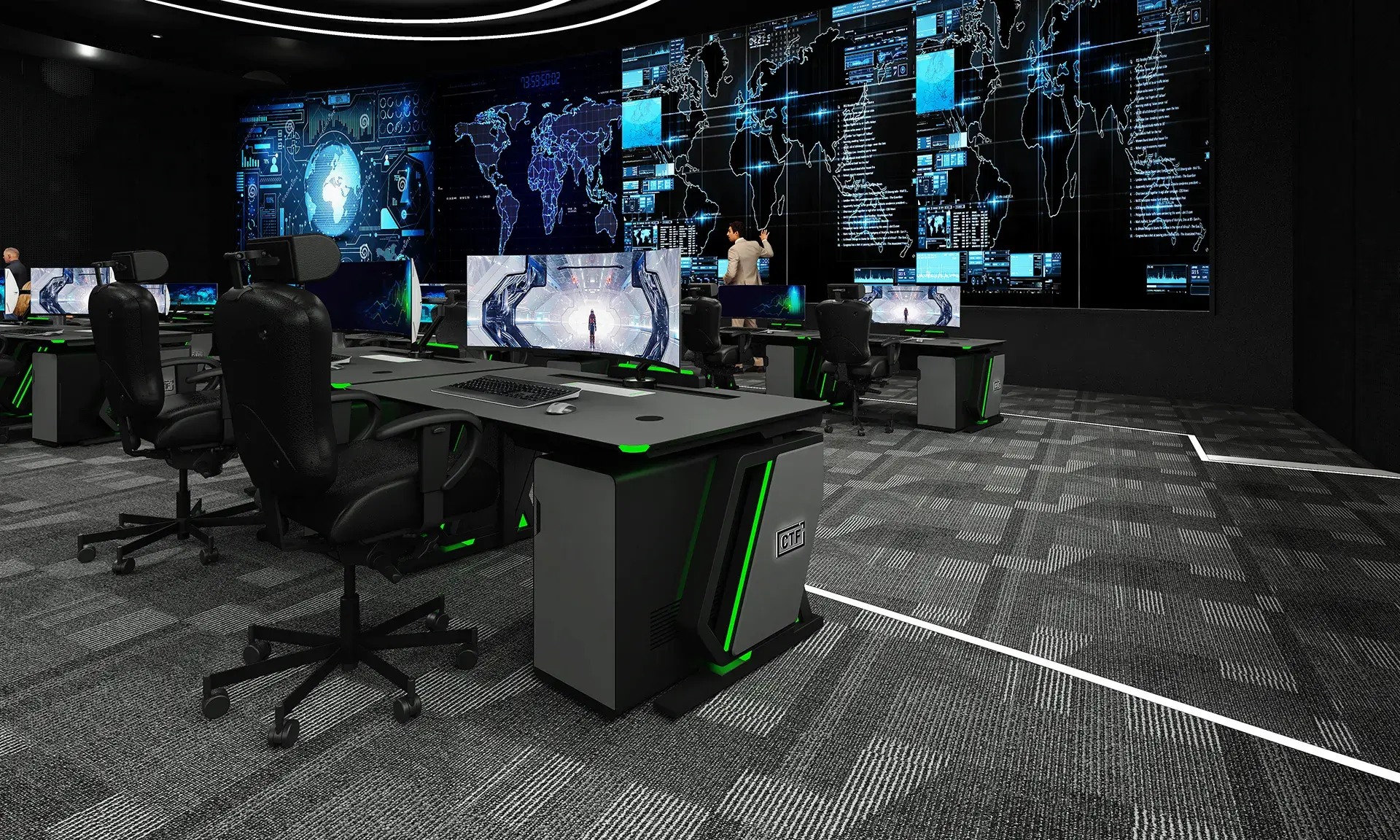
A control room console is a technical workstation engineered to house, organise, and make accessible a specific set of equipment, computers, monitors, communication systems, and emergency controls, while keeping the operator focused and physically comfortable across a shift that may run twelve hours. That is a fundamentally different brief from an office desk.
In the UAE and GCC, critical facilities design their control rooms to ISO 11064, the international standard that covers ergonomics, layout and dimensional requirements for control workstations. It includes everything from operator reach zones, surface heights, to screen placement and acoustic requirements. That standard is the design framework, not a nice-to-have.
Types of Control Room Consoles
Not all consoles are the same, and the right type depends on the environment, the operator headcount, the equipment being housed, and the operational requirements of the room.
-
Sit-Stand Height-Adjustable Consoles
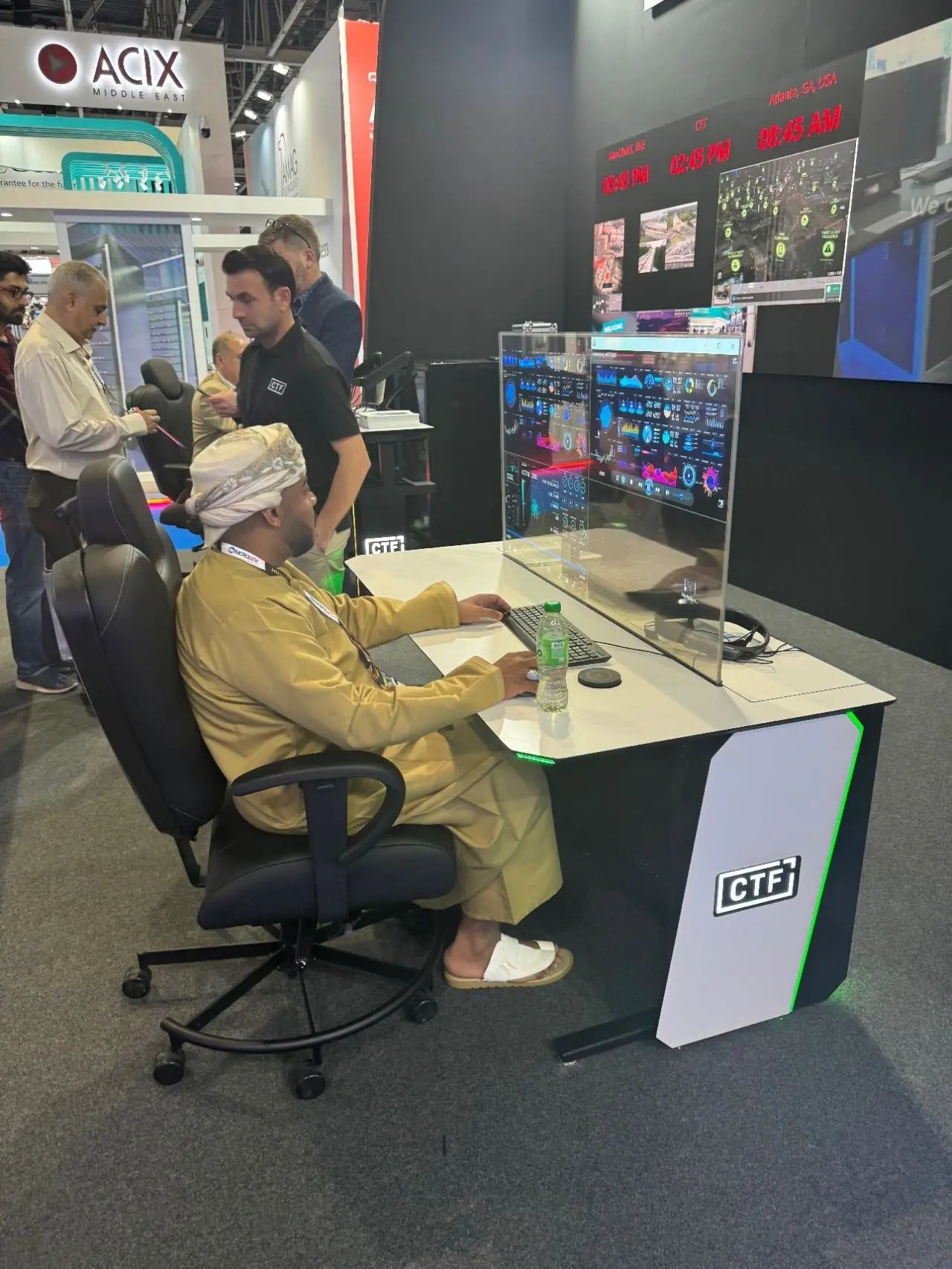
The most common specification for new-build and refurbished control rooms in 2025-26. Operators can transition between seated and standing positions during long shifts without disrupting their workflow, a direct ergonomic response to the reality of twelve-hour operations. ISO 11064 Part 4 specifies height adjustment as a requirement, not an option, for workstations in high-intensity control environments.
CTF's U Class console is built for exactly this, supporting up to four CPUs per operator, dual height-adjustable surfaces, and the full equipment density required by large SOC and operations centre environments.
-
Fixed-Height Consoles
Used where operator positioning is consistent and the operational environment is stable. Lower capital cost than height-adjustable, and appropriate for many monitoring rooms where shift teams are relatively uniform in size, and the intensity of operations does not require the full flexibility of a sit-stand configuration.
CTF's E Class console covers this specification, compact, purpose-built for continuous monitoring, and the most frequently deployed product across security and residential control rooms in the UAE.
-
Modular Console Systems
Made to be reconfigured as the needs of the room change. The modular systems allow you to add, subtract and rearrange operator positions without changing the room structure. For organisations anticipating growth in the headcount or technology footprint of their control rooms, modular architecture can significantly reduce the cost and disruption of future expansion.
-
KVM-Optimised Consoles
Built specifically for environments running KVM (keyboard, video, mouse) switching infrastructure, where operators manage multiple remote systems from a single position. The K Class console is CTF's specification for this environment: sit-stand open design with the cable management and equipment bay configuration that KVM infrastructure requires.
Control Room Layout - How the Room Should Work
The console specification and the room layout are not separate decisions. They need to be made together.
-
Sightlines to the Video Wall
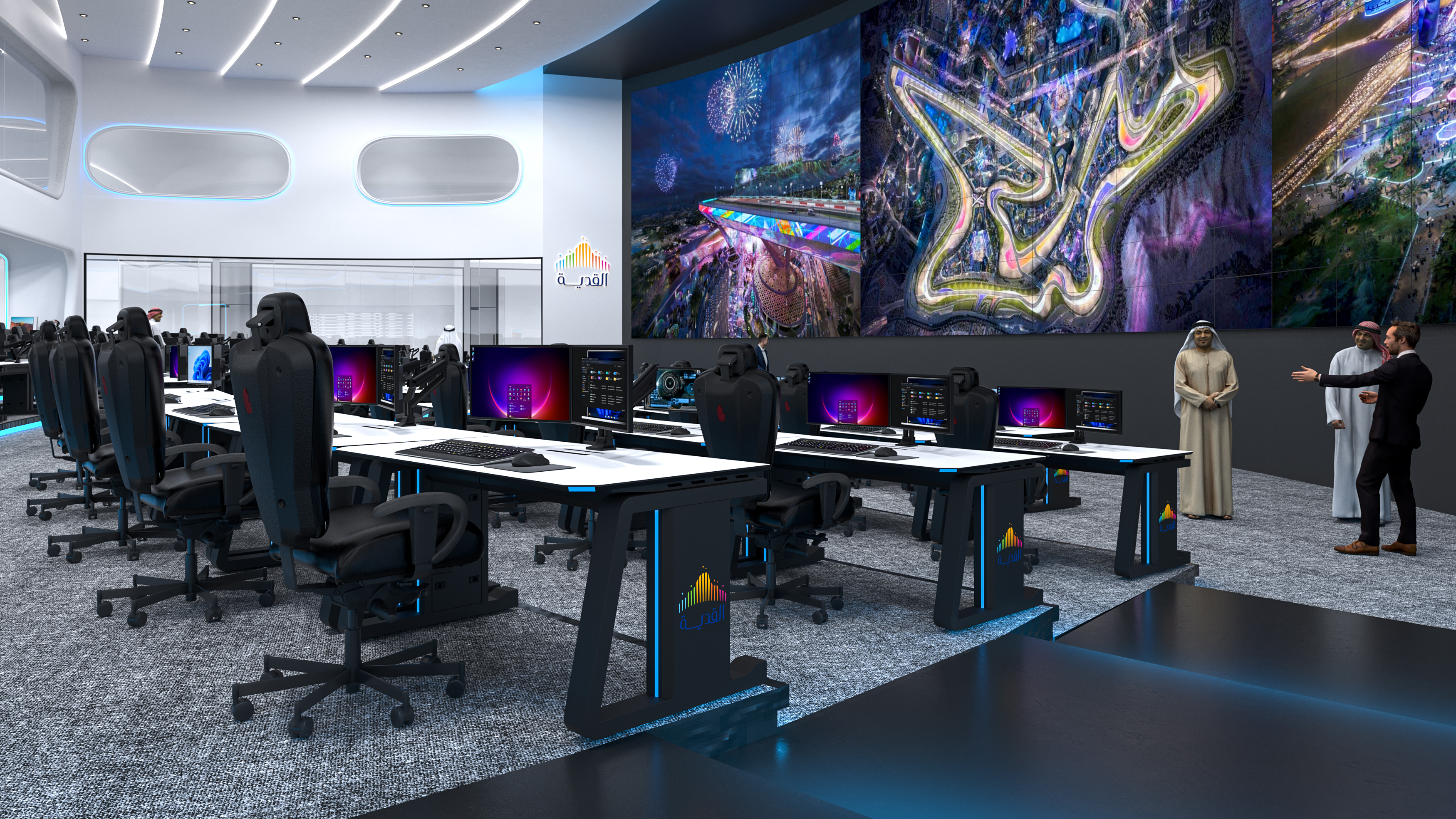
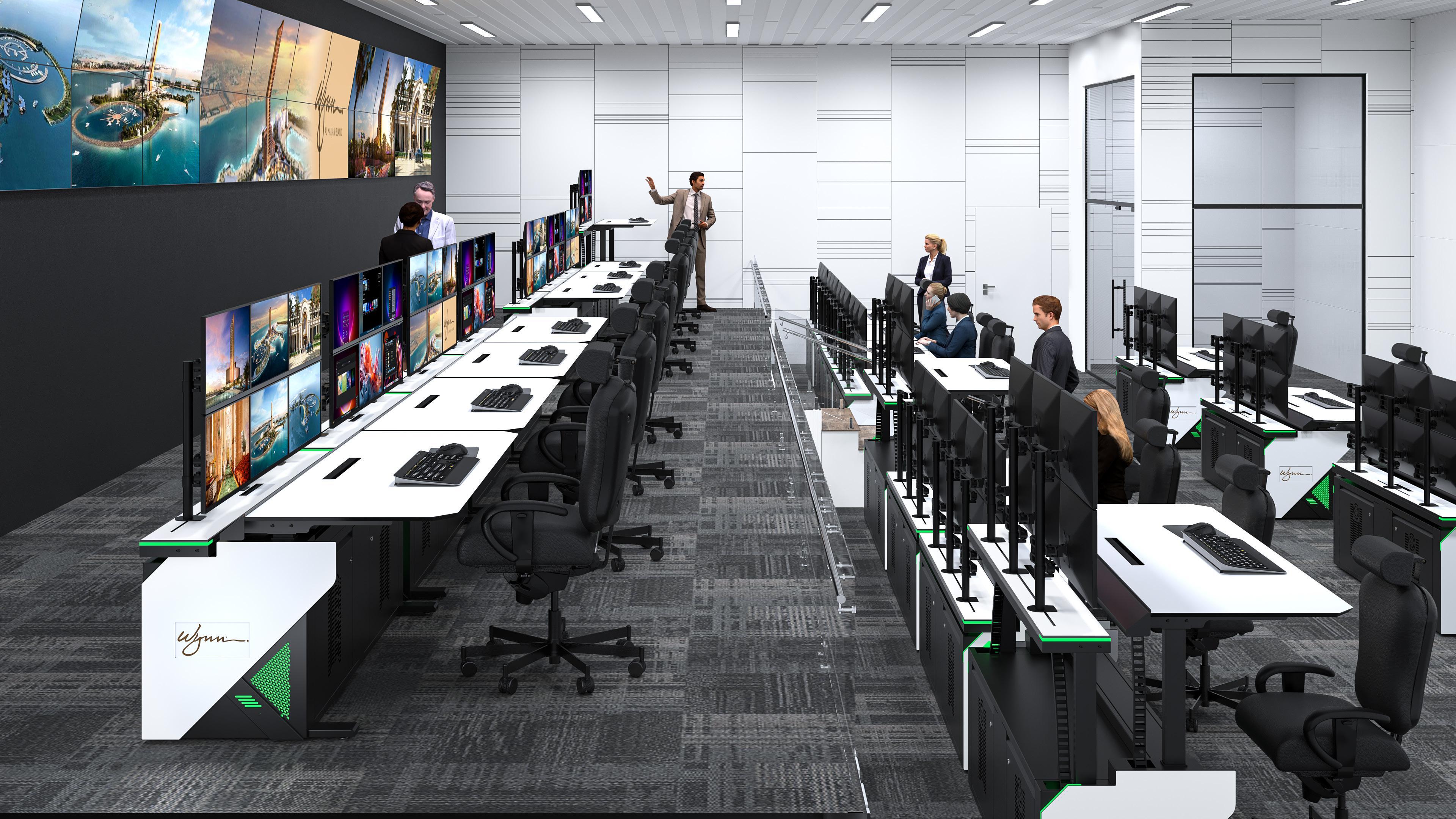
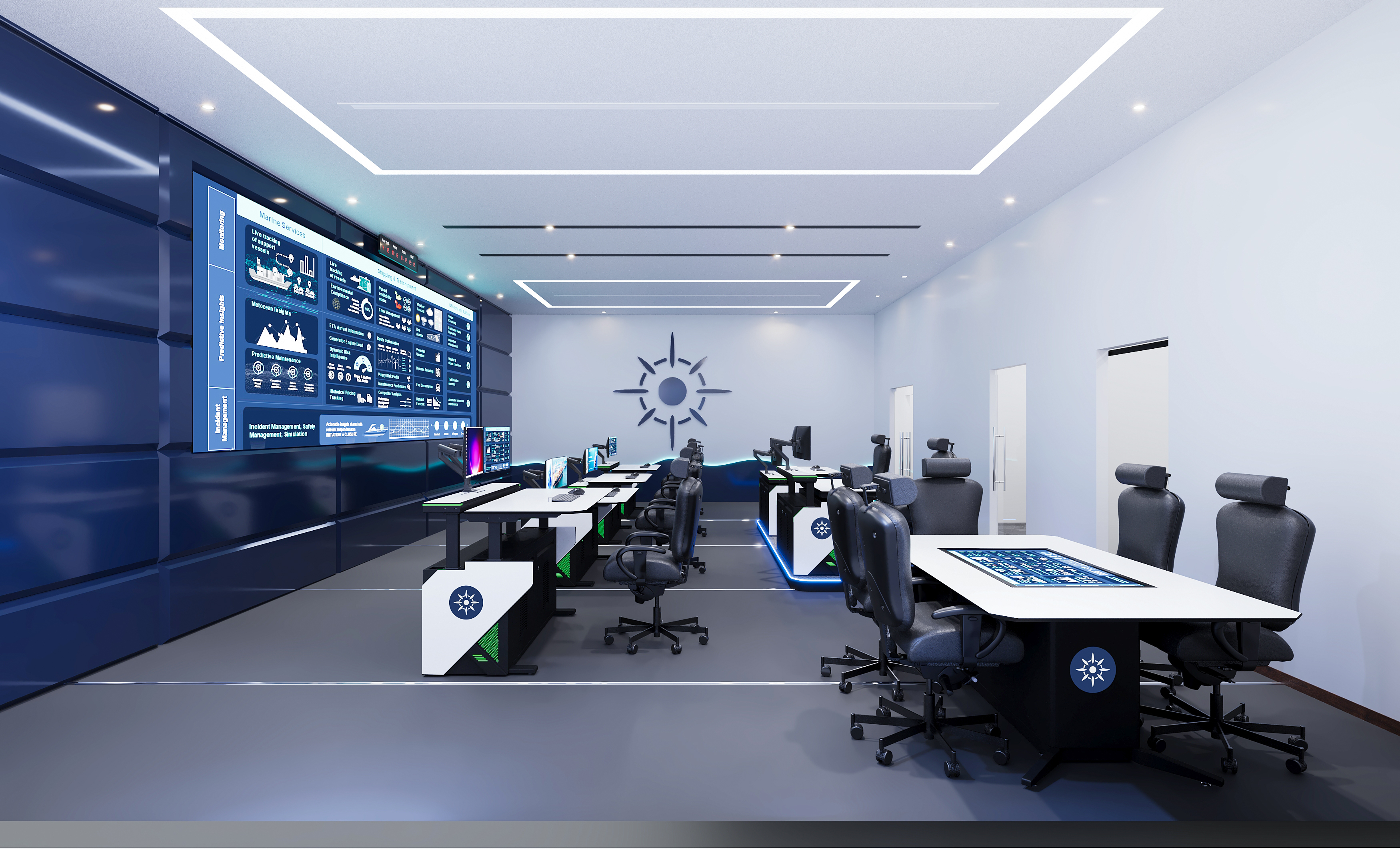
Primary displays should be positioned within approximately 15 degrees below the operator’s horizontal line of sight (ISO 11064 Part 5). Shared video walls are often combined with tiered rows of consoles, which elevate the back rows slightly so operators can maintain good sightlines without having to strain or block colleagues.
-
Operator Spacing and Reach Zones
ISO 11064 Part 4 defines the minimum clearance each operator position needs, surface space, reach to primary controls, and separation from neighbouring positions. In the GCC, where twelve-hour shifts are standard across security, oil and gas, and utilities, these dimensions are not just a compliance requirement. They directly affect operational performance across the full shift.
-
Traffic Flow and Access
Clear pathways for operator movement, maintenance access, and emergency exit need to be planned into the layout from the start. Where raised flooring is used, common in technology-dense operations rooms, console base construction and cable management both need to account for floor access from the outset.
Ergonomics - Why It Affects Operational Performance?
Ergonomics in a control room context is not about comfort for its own sake. It is about sustaining operator performance across the full length of a shift, which in critical facilities means twelve hours without a meaningful reduction in attention or reaction speed.
Poor ergonomics compounds. A monitor at the wrong angle adds a small amount of neck strain. Across a twelve-hour shift, that small amount accumulates into fatigue that affects how quickly an operator notices an anomaly and how clearly they communicate during an incident. The research on this is consistent: operator errors in high-stakes control environments trace more frequently to fatigue and environmental conditions than to lack of training or competence.
The things that matter most:
- Monitor height and angle - positioned for the natural resting gaze, not requiring the operator to look up or tilt their head
- Surface height - adjustable to each operator's body, not set to an average that suits nobody well
- Reach to controls - primary controls within easy reach without extending or twisting
- Acoustic environment - noise levels that allow clear communication without shouting; acoustic separation between operator clusters in open-plan operations rooms
- Lighting - indirect general illumination that does not glare on screens, combined with adjustable task lighting at each console position
Cable Management and Technology Integration
A control room console houses a significant cable load, power, data, communications, video, emergency systems, and the way that cabling is managed directly affects how quickly technicians can access equipment, how safely the environment runs, and how tidy the working surface remains for operators.
Good cable management means:
- Segregated raceways for power and data to prevent interference
- Raised floor access, where the room infrastructure supports it
- Cable entry points are positioned so that runs do not cross the operator's primary work area
- Sufficient capacity in equipment bays for current technology plus reasonable headcount for future additions
In UAE facilities where KVM infrastructure, NVR connections, and multiple communication systems all need to run through a single console, this is not a secondary consideration. It is part of the specification from day one.
How Industries Shape Console Requirements?
Control room console requirements vary by industry, as each environment demands specific ergonomics, technology integration, and durability that generic workstations cannot provide.
- Control Room Consoles for Security & Surveillance High CCTV monitoring requires multi-screen support, efficient cable management, and compact layouts for continuous surveillance operations.
- Control Room Consoles for the Transportation Industry Traffic control rooms, metro OCCs, and transport hubs need 24/7 ergonomic consoles with radio mounts, alert systems, and smooth shift handovers.
- Control Room Consoles for Oil & Gas Operations These environments require durable consoles built for harsh operating conditions, safety compliance, and long-shift operator comfort.
- Control Room Consoles for District Cooling Facilities Continuous monitoring of cooling infrastructure demands reliable consoles with high equipment capacity and support for SCADA-based systems.
- Control Room Consoles for Airport Operations Airport operation centres need integrated workstations for flight monitoring, communication systems, security oversight, and real-time coordination.
- Control Room Consoles for Broadcasting & Media Broadcast control rooms require flexible console layouts for multiple displays, AV equipment integration, and smooth workflow coordination.
- Control Room Consoles for Government & Defence Mission-critical operations require secure, durable, and highly ergonomic consoles built for surveillance, command, and emergency response.
What to Ask Before You Specify a Console?
Here are the questions that lead to the right answer, whether you’re a systems integrator writing a console specification for a client or a facilities manager thinking about a control room upgrade:
- How many operators will the room accommodate, and what equipment does each position need?
- What are the shift patterns, and does the console need to support height adjustment for operator comfort across long shifts?
- What is the cable infrastructure, raised floor, overhead, or surface-mounted?
- Does the room include a shared video wall, and if so, what sightline requirements does that create for the console layout?
- Which sector-specific equipment (radio units, emergency lighting, KVM, NVR) has to be integrated into the console?
- What are the compliance standards? ISO 11064, SIRA, ADMCC, or sector-specific requirements?
- What is the timeline, and does a UAE manufacturing base make a meaningful difference to the delivery programme?
Bringing It Together
The console is where architecture, engineering, technology, and human performance all meet in a control room. Getting it right means specifying it early, before the room layout is fixed and before the technology choices lock you into a configuration that does not serve the operator.
CTF manufactures control room consoles at its Dubai facility and has delivered 500+ installations across the UAE, GCC, and KSA, across security, transport, airports, oil and gas, and utilities environments. The team is available for site visits, layout consultations, and factory demonstrations in Dubai.
Contact The CTF Team