Why Height Adjustable Sit-Stand Consoles Are Becoming Essential in Control Rooms?
Think about what a control room operator actually does during a 10 or 12-hour shift.
They're locked onto multiple screens, processing real-time data, responding to alerts, making decisions, for hours on end, without much movement. Whether it's a security operations centre in Dubai, an oil & gas facility running night shifts, or an air traffic control tower that never sleeps, the body was simply not designed to sit static in one position for that long.
And the evidence backs this up. Extended sitting has become a major occupational health risk in recent times, with studies indicating that it is related to increased risk of musculoskeletal disorders, a decline in cardiovascular function and most importantly for control room settings, reduced alertness and cognitive capability as time goes by.
This is exactly why sit-stand control room consoles are no longer a premium add-on. In 2026, they're quickly becoming the baseline expectation in any well-designed 24/7 control room.
.webp)
What's Actually Happening to Operators Who Sit All Shift?
Before discussing the benefits of height-adjustable consoles, a little context is needed to understand the issue that those kinds of consoles are targeted at.
A study published in the International Journal of Environmental Research and Public Health figured out that sitting for long periods of time is associated with a 1.91 times higher risk of diabetes and also leads to an elevated risk of dying from a heart problem. But active working patterns be a protective factor. That's the long-term picture. But in the short term, within a single shift, the effects are just as significant for operators:
- Back and neck pain begin within 2 hours of static sitting, particularly in the lumbar region
- Mental fatigue sets in faster; research shows creative problem-solving errors increase with prolonged sitting, even without physical exertion
- Visual fatigue increases as operators hold fixed head positions relative to screens
- Circulation kind of slows in the lower body, and that tends to contribute to unease, restless movements and lower ability to stay on task
When you’re an operator monitoring 30 cameras or essentially managing live pipeline data, any dip in focus becomes a real risk, not just some personal comfort problem, or whatever.
So What Does a Sit-Stand Console Actually Change?
A height-adjustable console gives operators the ability to shift between sitting and standing positions throughout their shift, smoothly, without disrupting workflow.
This might sound simple. But the impact is significant.
A 2024 study in Psychophysiology found that switching between sitting and standing improved arousal, and reduced tiredness as well as lowered the amount of mental effort needed to keep up performance on cognitive tasks, compared with staying seated the whole time. So yeah, standing only periodically doesn’t just feel better, it measurably helps operators stay more switched on.
What changes when sit-stand consoles are introduced in a control room:
- Posture variability - the body isn’t stuck in one static, load-bearing arrangement all shift
- Circulation improves - the small movement between positions keeps blood moving to the legs and brain
- Mental alertness stays active - the standing posture nudges the body’s arousal systems, so afternoon fatigue dips are less prominent
- Physical discomfort reduces - there’s less lower back strain, less neck stiffness, fewer remarks about leg fatigue
- Operator focus extends - less distraction from physical discomfort means more sustained attention on the screens
The Ergonomic Argument - It's More Than Just Standing Up
Here's something people often miss: a sit-stand console is only as good as the ergonomic thinking behind it.
Just switching from a fixed desk to a height-adjustable one doesn't automatically fix poor ergonomics. The console still needs to maintain correct monitor heights relative to operator's eye level at both sitting and standing positions. Screen tilt, keyboard placement, and reach distances all need to be adjusted in proportion.
CTF designs all consoles to comply with ISO 11064-4:2013, the international standard specifically for control workstation ergonomics. This standard covers viewing angles, reach zones, desk height ranges, and layout, making sure that adjustability actually translates to correct posture, not just a different version of strain.
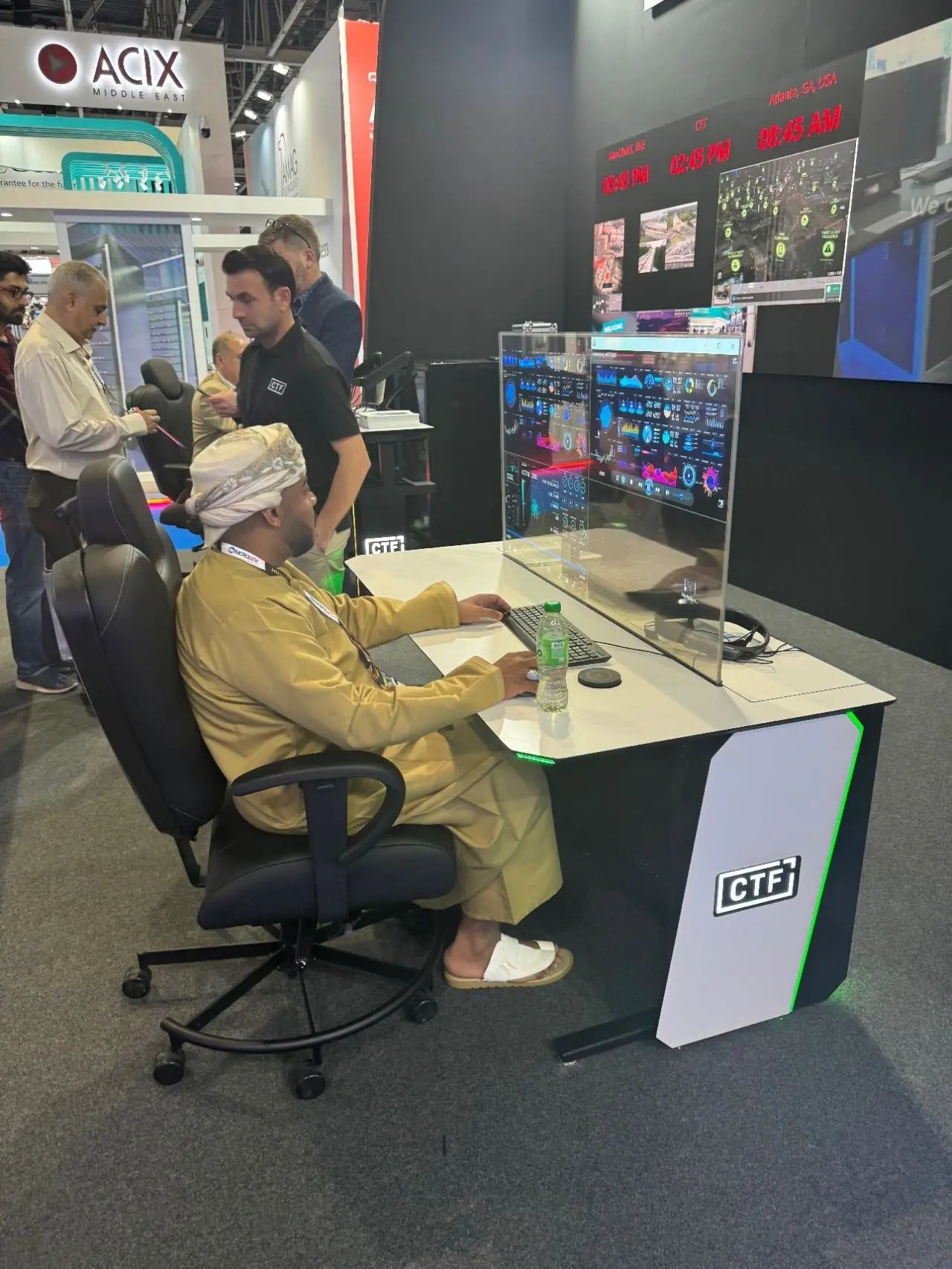
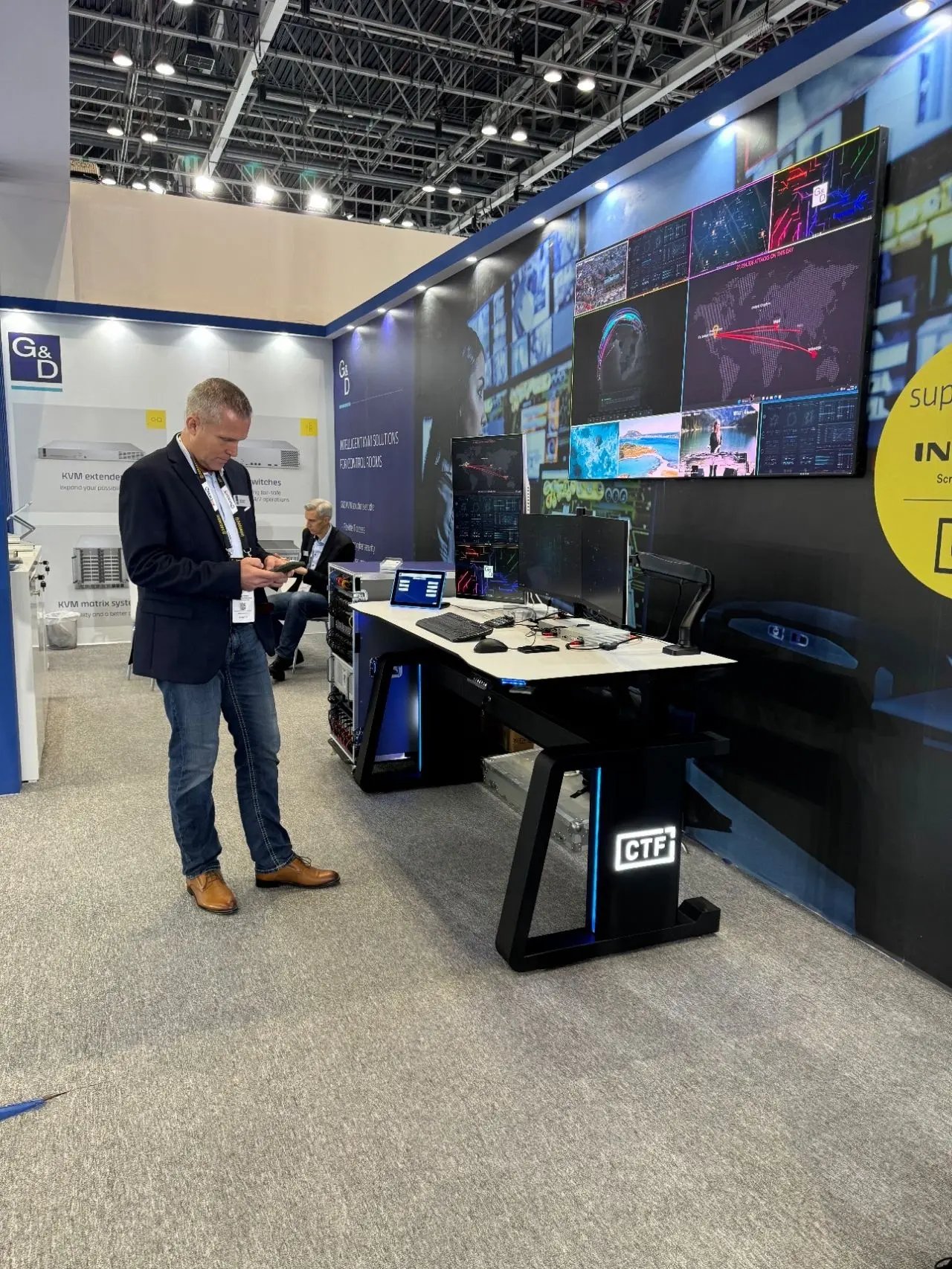
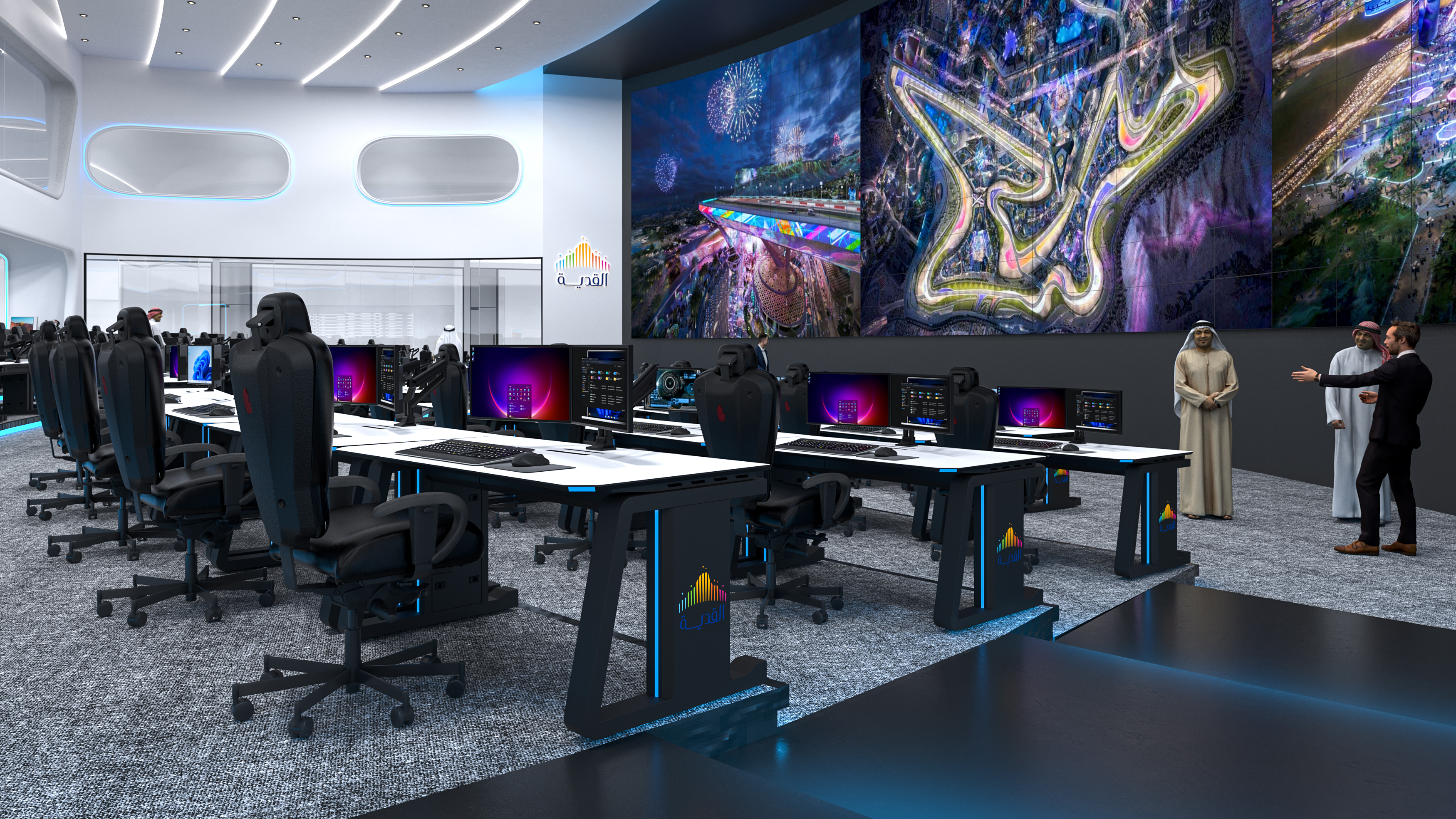
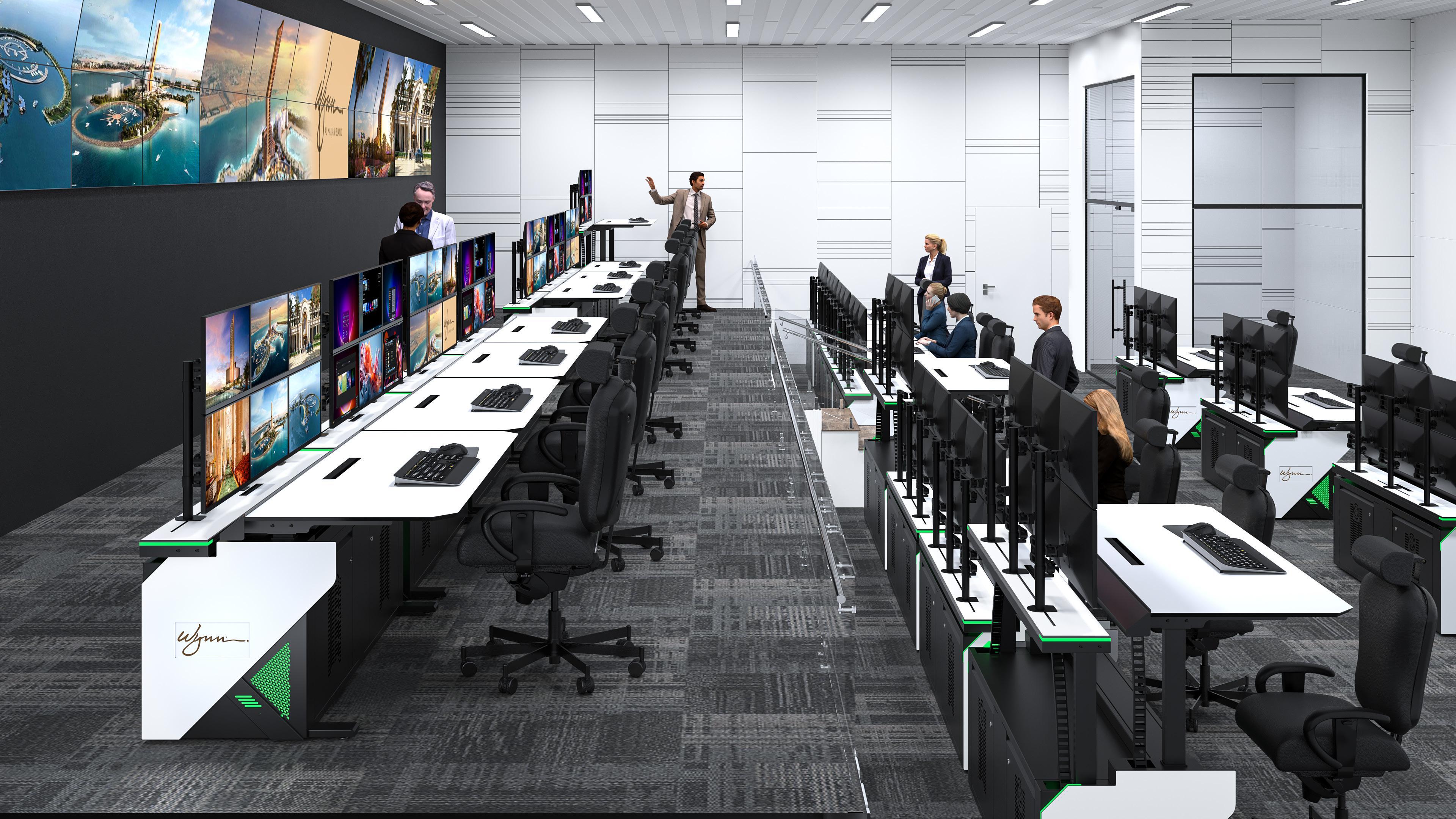
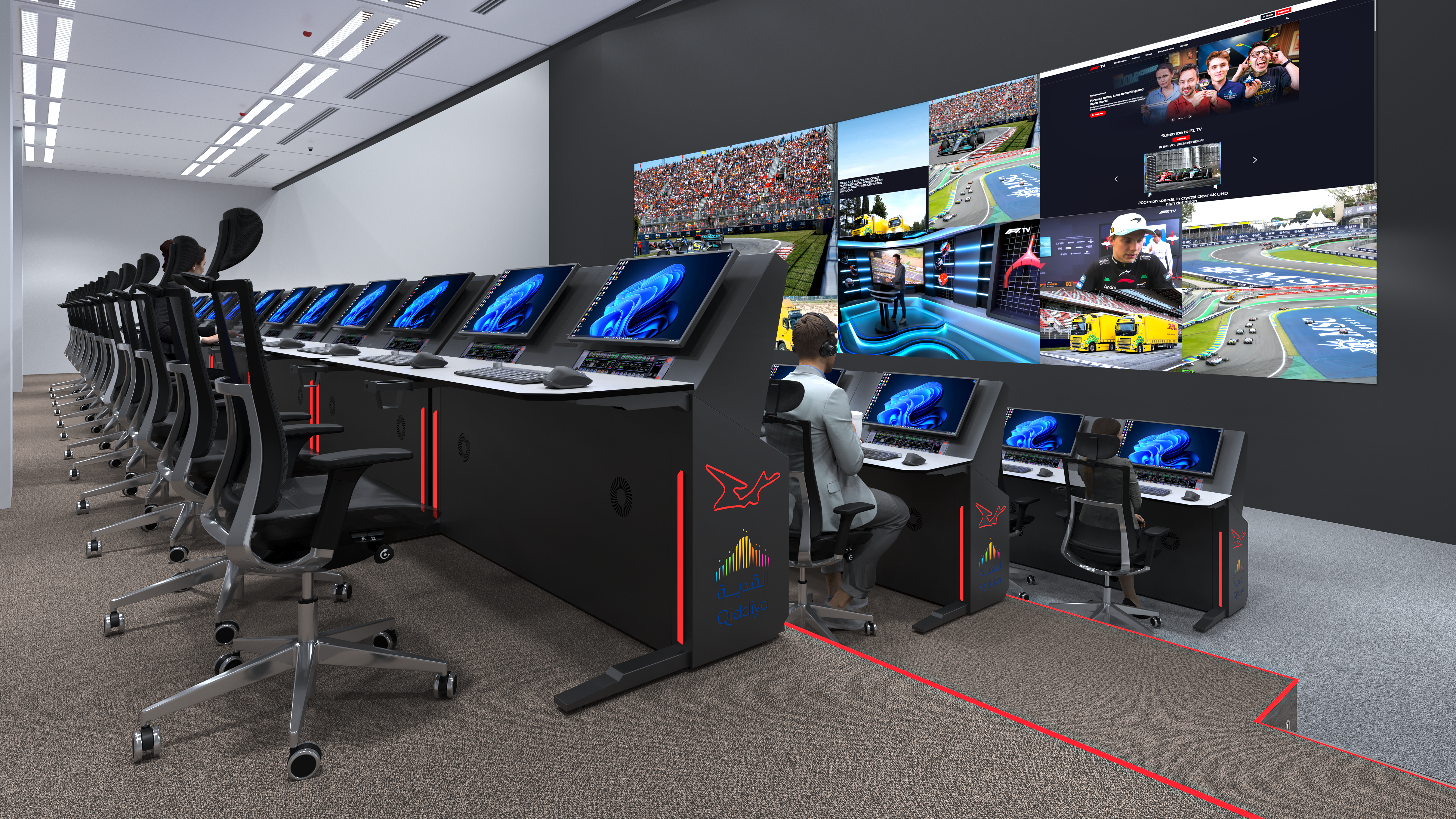
The A Class console from CTF is a strong example of sit-stand done properly, electric height adjustment, integrated cable management that moves with the desk, and a minimalist layout designed to keep the workspace clean and calm regardless of position. The K Class goes further for KVM-intensive environments, with a modular configuration, tilt-swivel monitor brackets, and discreet cable channels built into the frame.
Good ergonomic workstation solutions don't just move up and down. They think through what changes when the height changes, and design for it.
Why 24/7 Environments Specifically Need This
Not all workplaces have the same demands on their furniture. A person who works a standard 9-to-5, gets up for meetings, walks to lunch, and varies their day naturally doesn't face the same risks as a control room operator who barely leaves their station for an entire 12-hour shift.
In 24/7 control room environments, the compounding effect of static posture is significantly worse:
- Operators rotate through shifts, meaning the same console is used by people of different heights, builds, and physical needs; a fixed desk serves none of them optimally
- Night shifts increase fatigue risk substantially, and any physical discomfort compounds that risk faster
- The cognitive demands are high and sustained; operators can't afford to be distracted by aching backs or numb legs
- Absenteeism caused by musculoskeletal problems is really a tangible cost to a company's operations, mainly in sectors such as oil & gas and security & surveillance, where swapping skilled operators at very short notice is almost impossible.
A sit-stand console kind of tackles all of this at once, not like it removes risk completely, but more so it gives operators the tools to handle their own comfort, and keep up performance through a long shift.
Industries in the UAE That Are Already Making the Switch
Across the UAE's mission-critical sectors, the shift toward height-adjustable consoles has been happening steadily, and for good reason.
-
Security & Surveillance control rooms - operators running 24/7 monitoring operations often have little downtime. Sit-stand capability lets them manage fatigue without stepping away from active screens. Security & surveillance solutions from CTF are designed for exactly this intensity of use.
-
Oil & Gas facilities - shift-based operators in these environments deal with high cognitive load alongside physical fatigue. Ergonomic flexibility directly reduces the chance of errors during high-pressure periods. CTF's oil & gas solutionsfactor in these exact demands.
-
Airports and Air Traffic Control - precision and sustained attention are non-negotiable. The ATC Class console includes optional height-adjustable tabletops for exactly this reason, alongside fully adjustable monitor brackets. Explore CTF's airport solutions.
-
Transportation command centres - operators managing metro lines, highways, or logistics networks spend entire shifts in front of multiple screens. Transportation control rooms benefit from flexible console configurations that adapt to different operators on different shifts.
-
Broadcasting & Media - live production environments are high-stress and time-pressured. Operator comfort directly affects performance under a deadline. CTF's broadcast & media solutions are built for this reality.
What to Look for in a Height-Adjustable Control Room Console
Not every sit-stand product on the market is designed for mission-critical use. Here's what actually matters when evaluating options:
- Electric height adjustment - manual cranks are impractical in a live control room. One-touch adjustment is the standard for professional deployments
- Monitor arm compatibility - the monitor system has to adjust proportionally with the desk, not stay fixed while the surface moves
- Cable management that travels with the desk - loose cables at adjustable desks are a real maintenance and safety issue
- Stability at all heights - a console used 24/7 needs to be rock solid at its lowest and highest settings; any wobble causes operator distraction
- Equipment housing - if the console houses CPUs or other kit, that equipment needs to stay accessible regardless of surface height
- Build quality for continuous use - home-office sit-stand desks are not built for the same load cycles as a control room console used around the clock for years
CTF's consoles are manufactured in Dubai, designed specifically for the demands of mission-critical environments across the UAE and GCC, and delivered with a lifetime warranty on the console body. That's a different level of commitment to durability than a standard office furniture product..
%20super%20bright.webp)
The Bottom Line
Sit-stand control room consoles are not just some wellness trend picked up from open plan offices. It’s more like a practical, evidence-backed response to what operators actually face, physical as well as cognitive demands, especially when you’re running a 24/7 operation.
When the operators can change their working posture during a shift, they often stay more alert for longer, feel less physical discomfort and in a sort of compounded ripple, they make fewer errors, and they’re also more likely to take fewer sick days. For any organization handling mission-critical work, that’s not a minor advantage.
So if you’re specifying a new control room, or doing a review of what you already have, then height adjustability should be in your must-have list, right next to ergonomics, scalability, and technology integration.
Check out CTF’s complete product range, or reach out to the team so you can talk through the sit-stand console configuration that fits your operation best.
Contact The CTF Team