news Best Control Room Consoles for Your Teams

Best Control Room Consoles for Your Teams

How to Choose the Best Control Room Consoles for Your Team?

You are setting up a control room, or upgrading an existing one, and then comes the part most people kind of underestimate: picking the right consoles.

It’s easy to think of a console as, basically, a desk. But ask anyone who’s done a 12-hour shift in a badly designed control room, and they’ll tell you different. The wrong arrangement doesn’t only make you uncomfortable, it can slow reaction times, raise operator missteps, and yes, it can actually put ongoing operations in danger.

So, how do you make the right choice? Let’s go through it, step by step.

airporthub

First, What Makes Control Room Consoles Different from Regular Desks?

A standard office desk is made for someone who works around 8 hours, takes breaks, and deals with pretty predictable tasks. Control room operators don’t really get that kind of schedule.

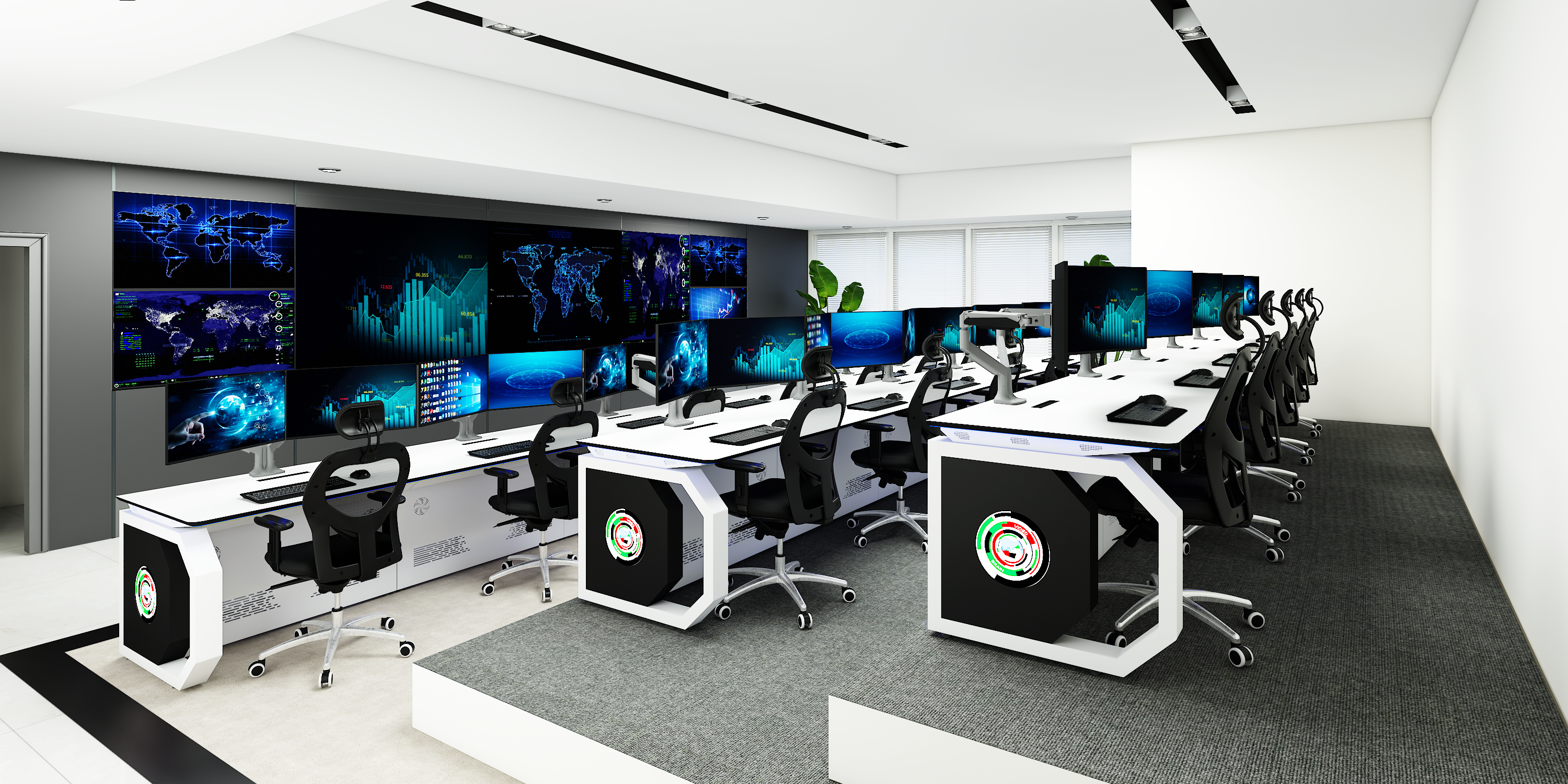
Control room consoles are built specifically for continuous, high-pressure use. They are designed to manage:

  • Multiple monitors and complex cable infrastructure
  • Integrated technology systems (KVM, video walls, comms)
  • Operators who may not leave their seat for hours
  • 24/7/365 operational environments

They need to be ergonomic, durable, scalable, and smart enough to grow with your operation. A regular desk simply isn't built for that.

Step 1: Know Your Industry and Its Specific Demands

Not every industry needs the same console setup. This is one of the most important things to get right early on.

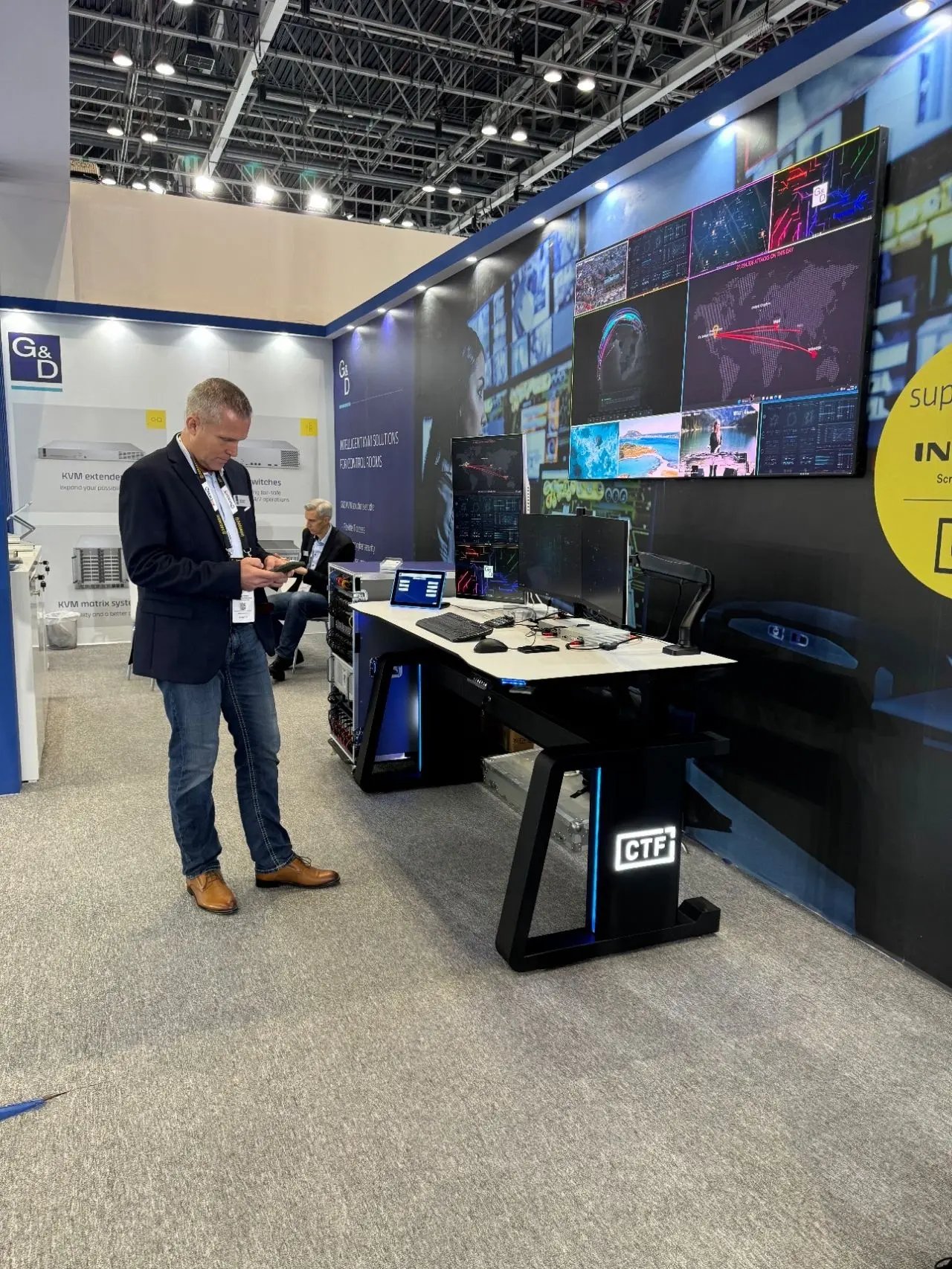
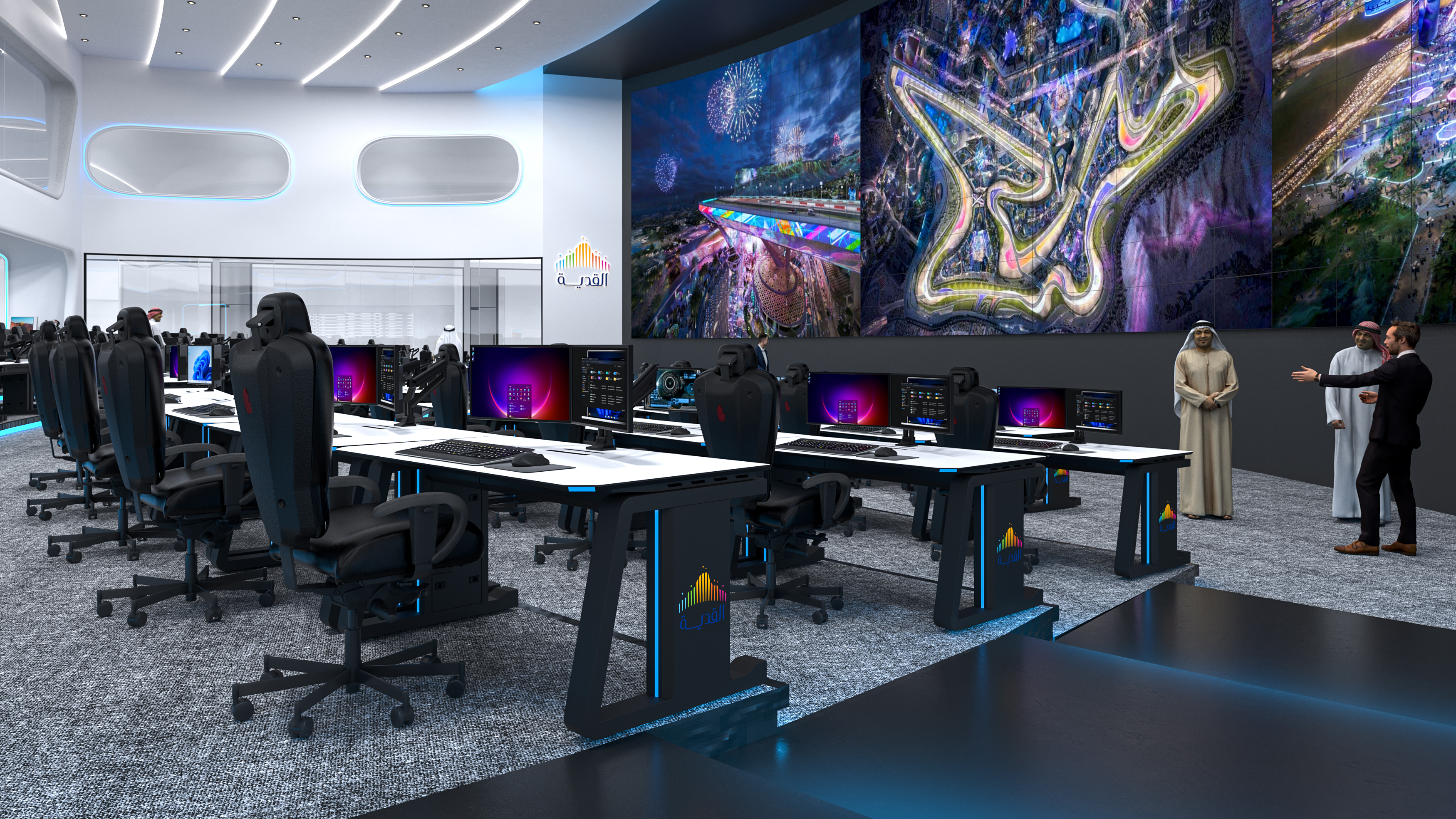
  • Security & Surveillance: For multi-screen setups, with clear sightlines to video walls, and modular configurations that can keep expanding as more cameras get added. At CTF, we build security and surveillance solutions specifically around these kinds of demands, you know, the real-world ones where things grow.

  • Oil & Gas and Industrial: Stringent safety specs, harsh conditions, and zero tolerance for downtime. Consoles here need to be extremely durable and capable of housing process control equipment. CTF has supplied to ADNOC, ENOC, Emarat, and EGA, the lifetime warranty on console bodies reflects exactly what this industry requires. See oil & gas solutions.

  • Airports and Air Traffic Control: Operators making split-second decisions need precision-level ergonomics and very specific viewing angles. CTF's ATC Class console is built for this, featuring integrated personal hubs and a design that puts operator efficiency first. Explore airport solutions.

  • Transportation Command Centres: Metro lines, highways, and transit networks need consoles that support team collaboration and scale as the network grows, without tearing out existing infrastructure. See transportation solutions.

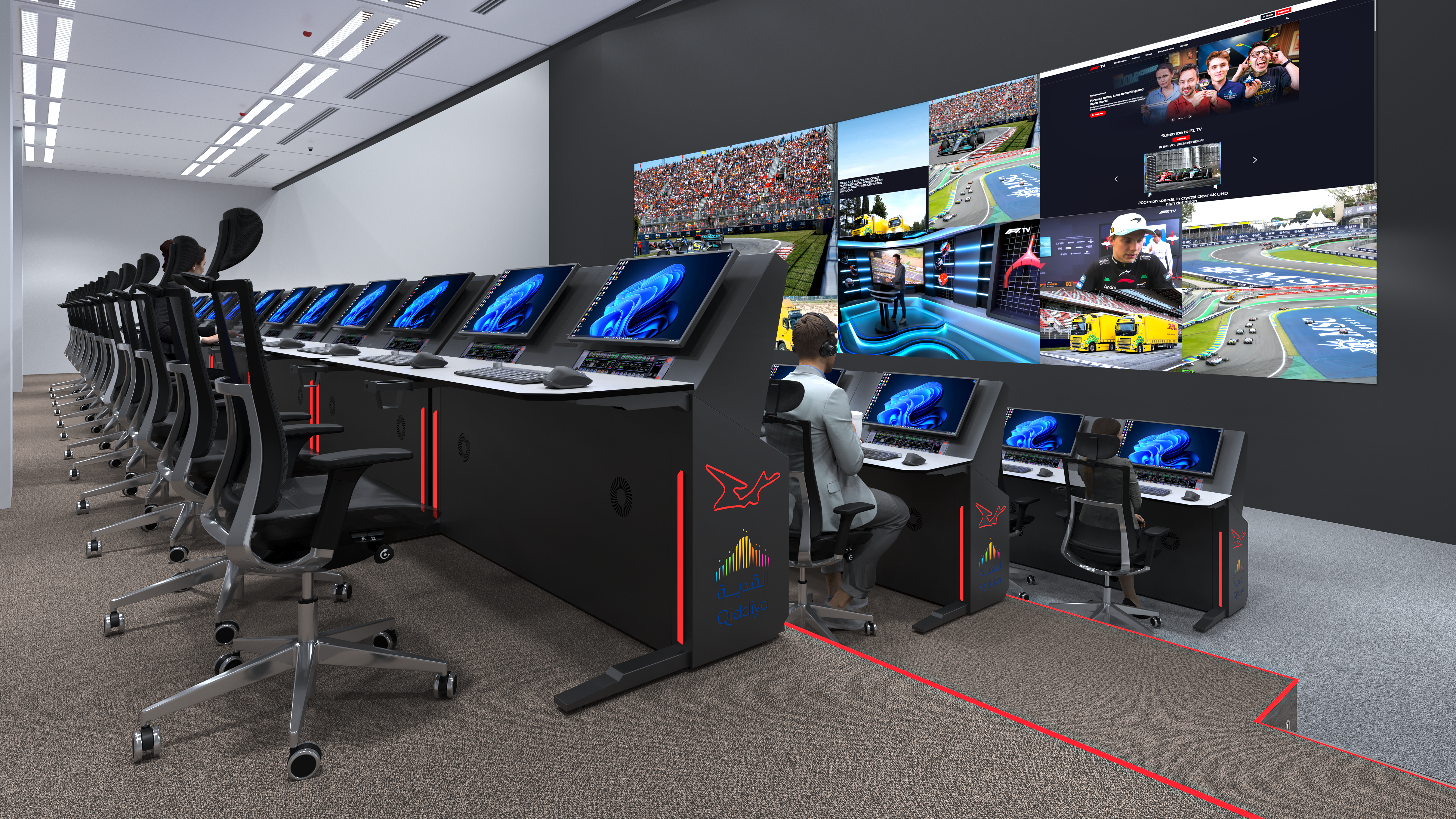
  • Broadcasting & Media: Live feeds, tight deadlines, constant switching. Consoles here need clean cable management and a clutter-free setup that holds up under pressure. CTF's broadcast & media solutions are designed for exactly that.

  • Government & Defence: Compliance, security clearance, access control, standard setups rarely cut it here. Custom console solutions are often the only viable path. Government & defence solutions need to be planned from scratch.

Step 2: Ergonomics Is Not a Nice-to-Have

Poor posture does end up with fatigue, you know it builds up, and then suddenly you’re more drained. That fatigue then gives slower reactions, missed alerts, and yeah, more mistakes too. In a 24/7 environment, that is a serious operational risk, not really an HR-side-only concern.

A good ergonomic control console should:

  • Allow height adjustability for operators of different sizes
  • Position monitors at eye level to reduce neck strain
  • Keep frequently used controls within easy reach
  • Support sit-stand transitions during long shifts

CTF designs follow ISO 11064-4:2013, the international standard specifically for control workstation ergonomics.

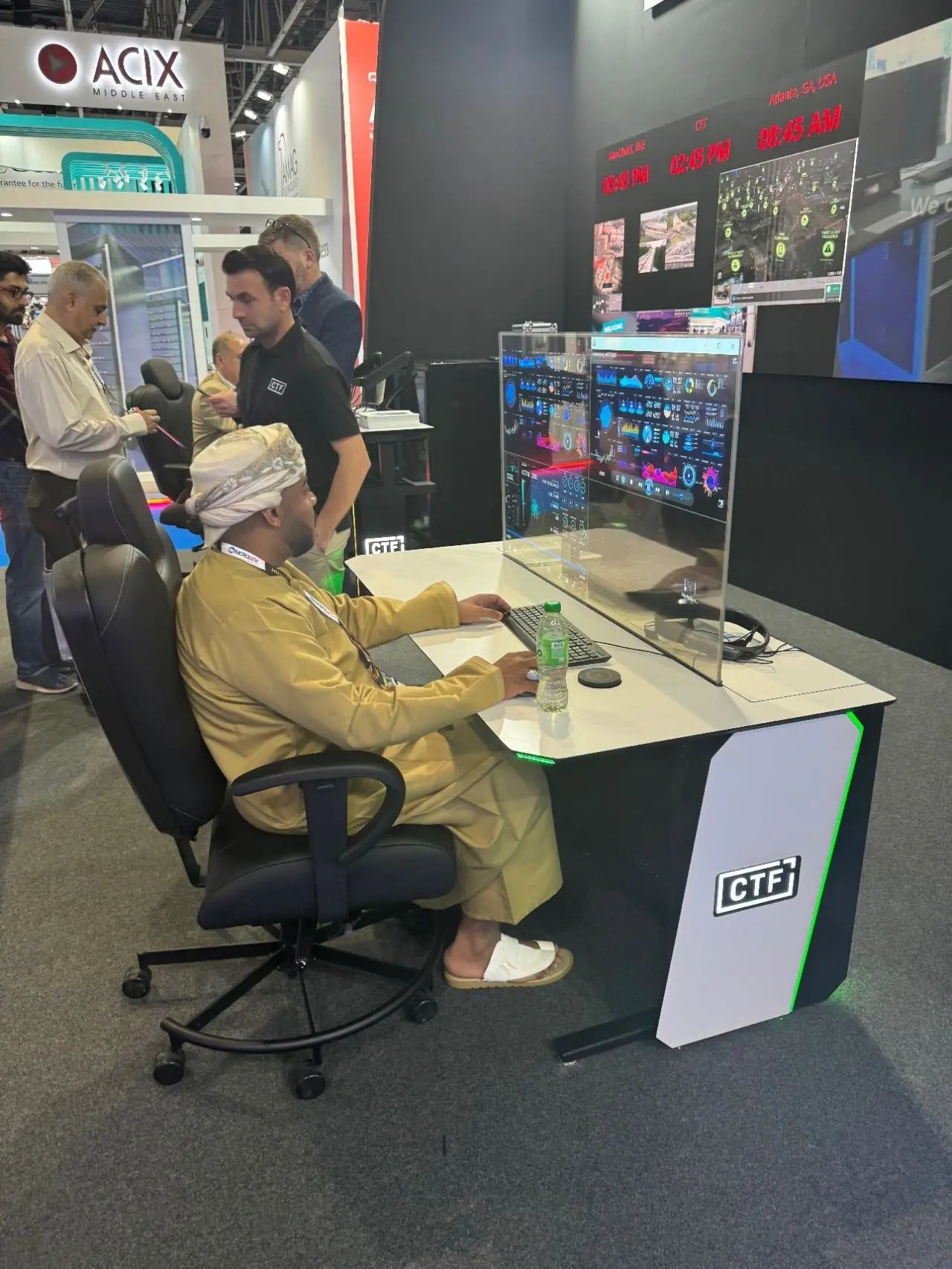
The A Class console features sit-stand functionality, wireless charging, and a clean, minimalist layout. The U Class, CTF's best-selling product, can be customised with reading lights, headset holders, cup holders, and wireless charging pads.

Small things really do matter. Like a dedicated headset holder, it sounds kinda trivial at first, but during a high-pressure shift, you end up fumbling for gear. That takes precious time, and it adds frustration, all at once.

Step 3: Think About Scalability Before You Need It

A very common mistake: designing for today's footprint, not tomorrow's.

Ask yourself:

  • Will you add more screens in the next two years?
  • Is the team likely to grow?
  • Will the technology you're integrating today need upgrading?

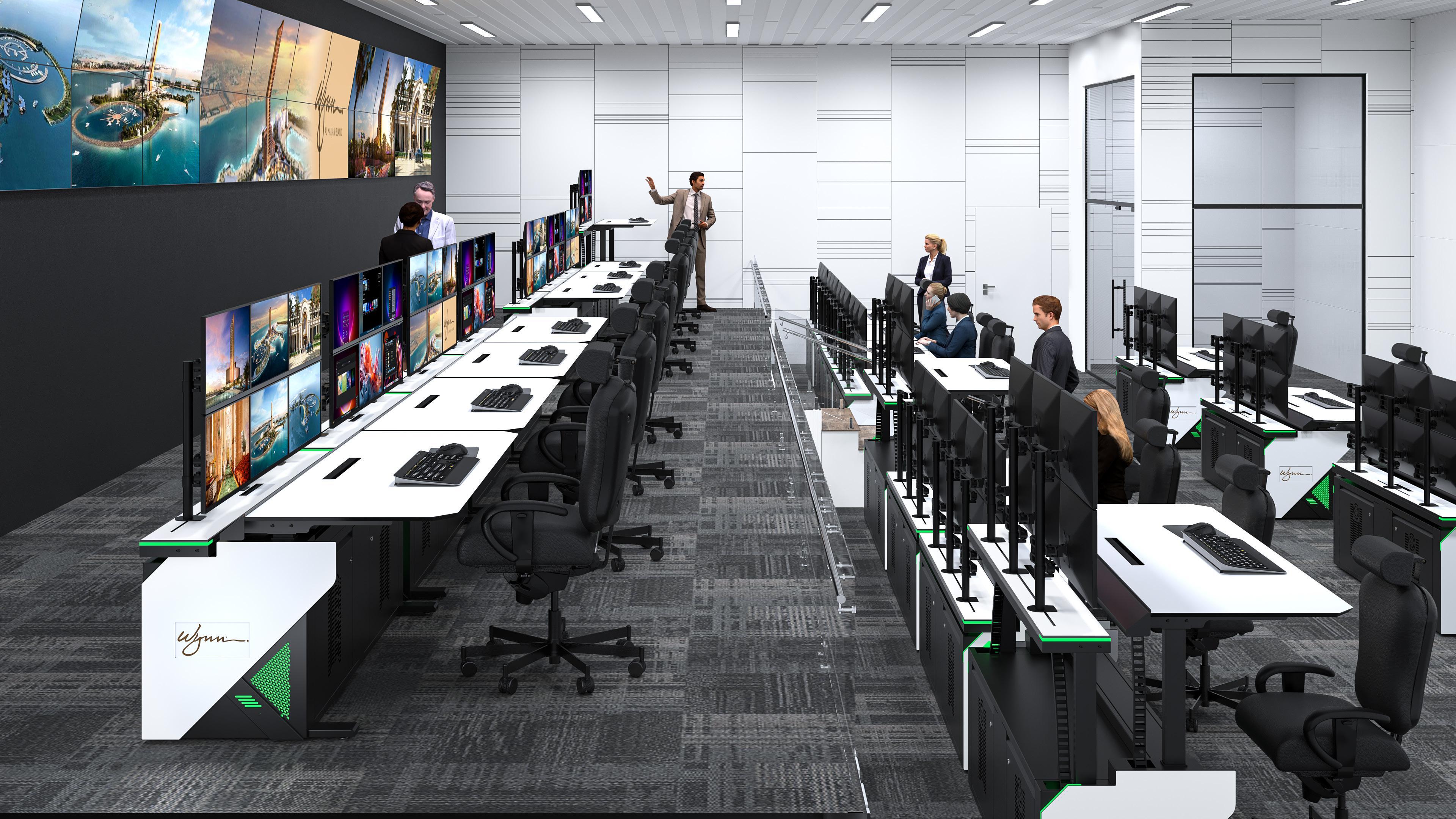
Modular control room consoles solve this problem. You add, reconfigure, or extend, without replacing the entire setup.

CTF's A Class is a strong example here. It's a scalable, straight-configuration modular desk with sit/stand functionality, built for KVM infrastructure. It has a discreet channel duct for easy cable access, because as technology gets added, cable runs get complex. Consoles that can't accommodate this cleanly create real maintenance headaches down the line.

Step 4: Technology Integration Has to Be Built In, Not Bolted On

Modern operator workstation design isn't just about monitor placement. Your consoles need to work with:

  • KVM switches and video wall controllers
  • Communication and intercom systems
  • IP infrastructure and network equipment
  • Future upgrades, without a full console replacement

If the console doesn't have proper space planned for equipment housing and cable routing, you'll end up with a messy workspace that nobody wants to maintain.

CTF's E Class has an integrated under-table equipment cabinet, secure, accessible for maintenance, and completely out of the operator's way.

When evaluating control room console solutions, always ask: Where does the equipment live? How is it accessed? How does the cable run? These questions save a lot of pain later.

Step 5: Durability and Maintenance Access Are Mission-Critical

In a 24/7 control room, you can't take consoles offline during the day for routine maintenance. Everything has to be built to last, and when something does need attention, it has to be fast.

What to look for:

  • Robust build materials with long-term structural integrity
  • Proper access panels so equipment can be reached quickly
  • A warranty that actually means something

CTF's console bodies carry a lifetime warranty, which is a meaningful statement in an industry where corners often get cut.

Environment matters too. District cooling facilities, oil and gas plants, and industrial sites expose consoles to dust, temperature swings, and constant use. The spec has to match the reality of where it's being installed. CTF's district cooling solutions are a good example of how environment-specific thinking plays out in console design.
gccuae

Step 6: Don't Overlook the Custom Console Option

Sometimes the standard range, however capable, just doesn't fit. Room dimensions, equipment configurations, security requirements, or workflow layouts can all push you toward something bespoke.

Custom doesn't have to mean expensive or slow. Custom consoles are often simply the right answer for mission-critical workstations with specific demands. CTF's design and build division creates bespoke solutions with the same manufacturing standards as their standard range, shaped entirely around your spec.

The process matters too. Getting operators and facility managers involved before anything is drawn up is what separates a console that works from one that just fills the space.

What This All Comes Down To

The right control room console setup:

  • Keeps operators comfortable and focused
  • Reduces errors and response time
  • Makes maintenance manageable
  • Grows with your operation

The wrong one creates friction at every level, from a poorly positioned monitor on day one to a console system that can't accommodate a technology upgrade two years later.

Start with your industry's requirements. Work through ergonomics, scalability, technology integration, and durability. And if your requirements are specific enough, go custom.

If you're building or upgrading a control room in the UAE or GCC, get in touch with the CTF Consoles team. They've delivered across airports, oil & gas facilities, government command centres, and broadcast studios, and they know what it takes to get it right.

Explore CTF's full product range and industry solutions to find the right fit for your control room.

1705504277456
1705504278002
1705590713886
1705046058571
1705504278453
1705590716289