How Security & Surveillance Control Room Consoles Improve 24/7 Monitoring?
Running a security operation that never sleeps is harder than it looks from the outside.
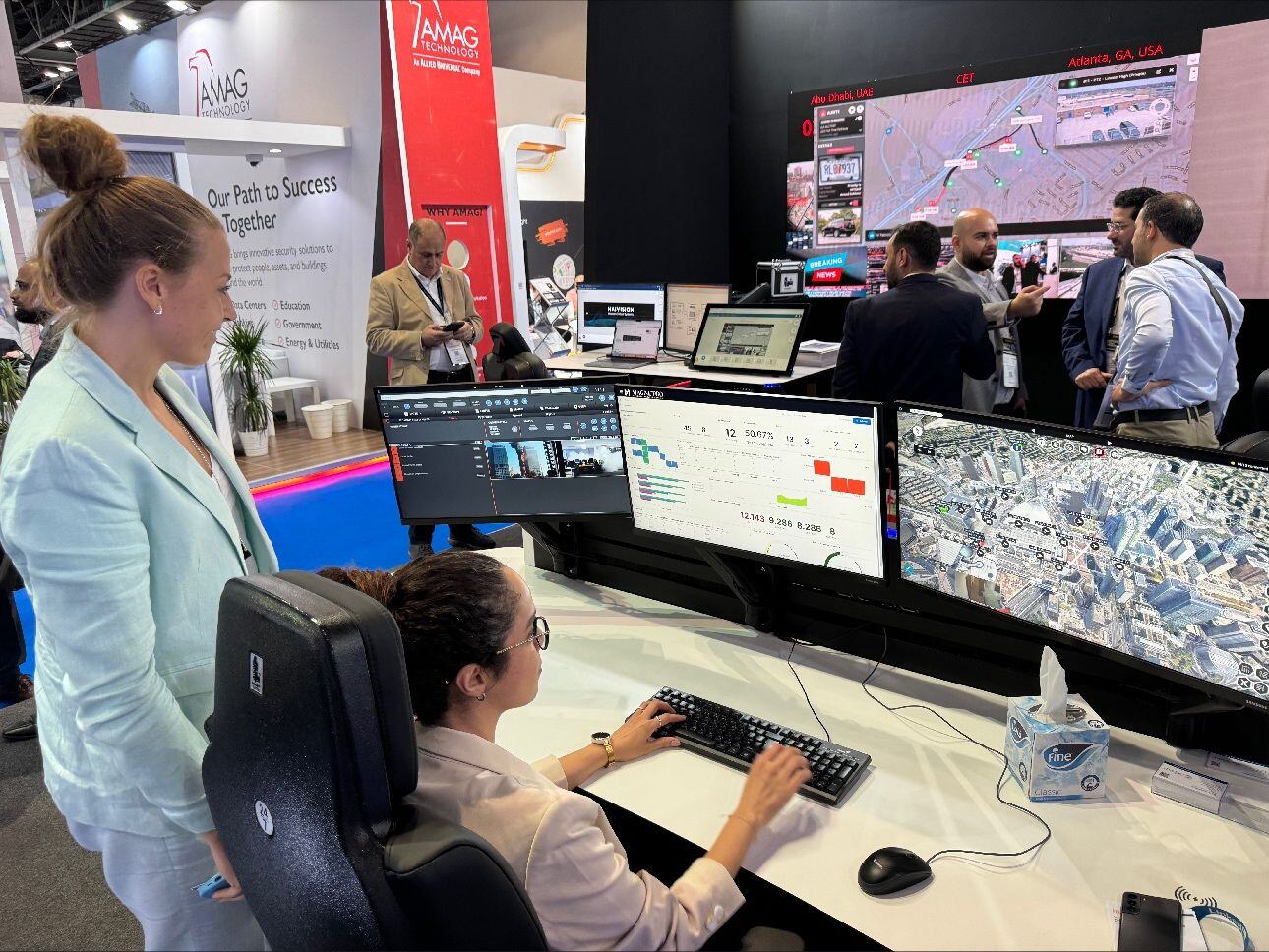
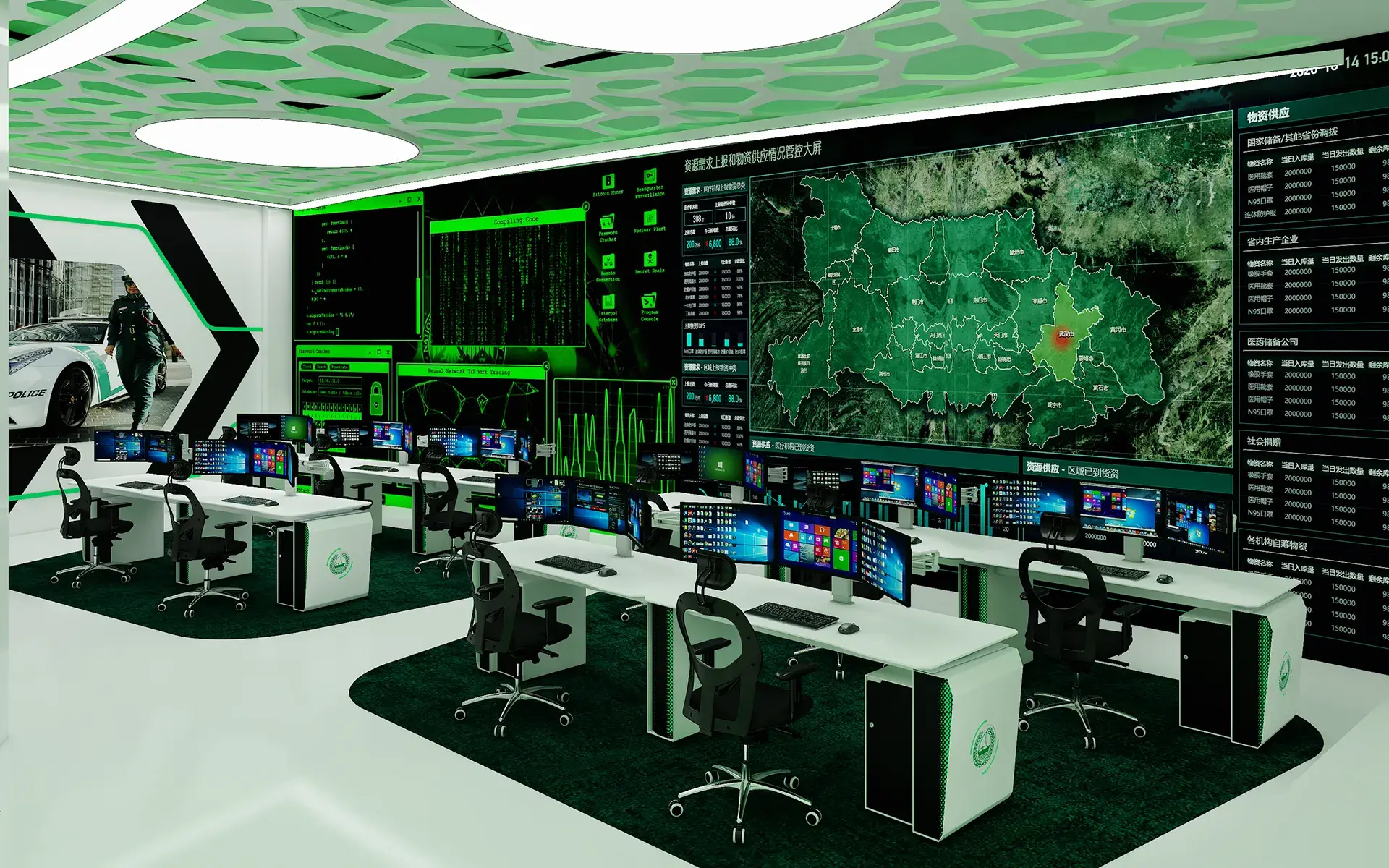
In launching any surveillance operation, whether for a city, airport, or critical infrastructure, the primary piece of equipment that keeps the whole thing working together is the Physical Setup of their Control Room. Too many people don’t know how much the physical layout of the control room plays a part in the larger success or failure of that surveillance operation.
It's not just about having screens and cameras. It's about whether the people watching those screens can do their jobs effectively for eight, ten, twelve hours at a stretch without missing something critical. That's where control room consoles come in.
What's Actually at Stake in a 24/7 Surveillance Operation?
Security and surveillance control rooms operate under sustained pressure. Operators are monitoring multiple feeds simultaneously, responding to alerts, coordinating with field teams, and making time-sensitive decisions, continuously, around the clock.
Human factors research shows that prolonged discomfort and poor posture can increase the likelihood of operator error. In a surveillance context, that's not just a wellbeing issue; it's a direct operational risk. A fatigued operator in an uncomfortable environment is more likely to miss something. And in security, missing something has real consequences.
The physical environment of a control room isn't separate from operational performance. It's central to it.
What Makes Security Control Room Consoles Different?
Not all furniture is designed for the demands of a control room environment. The design of security control room consoles operates at a completely different level than standard office desks which have monitors permanently installed.
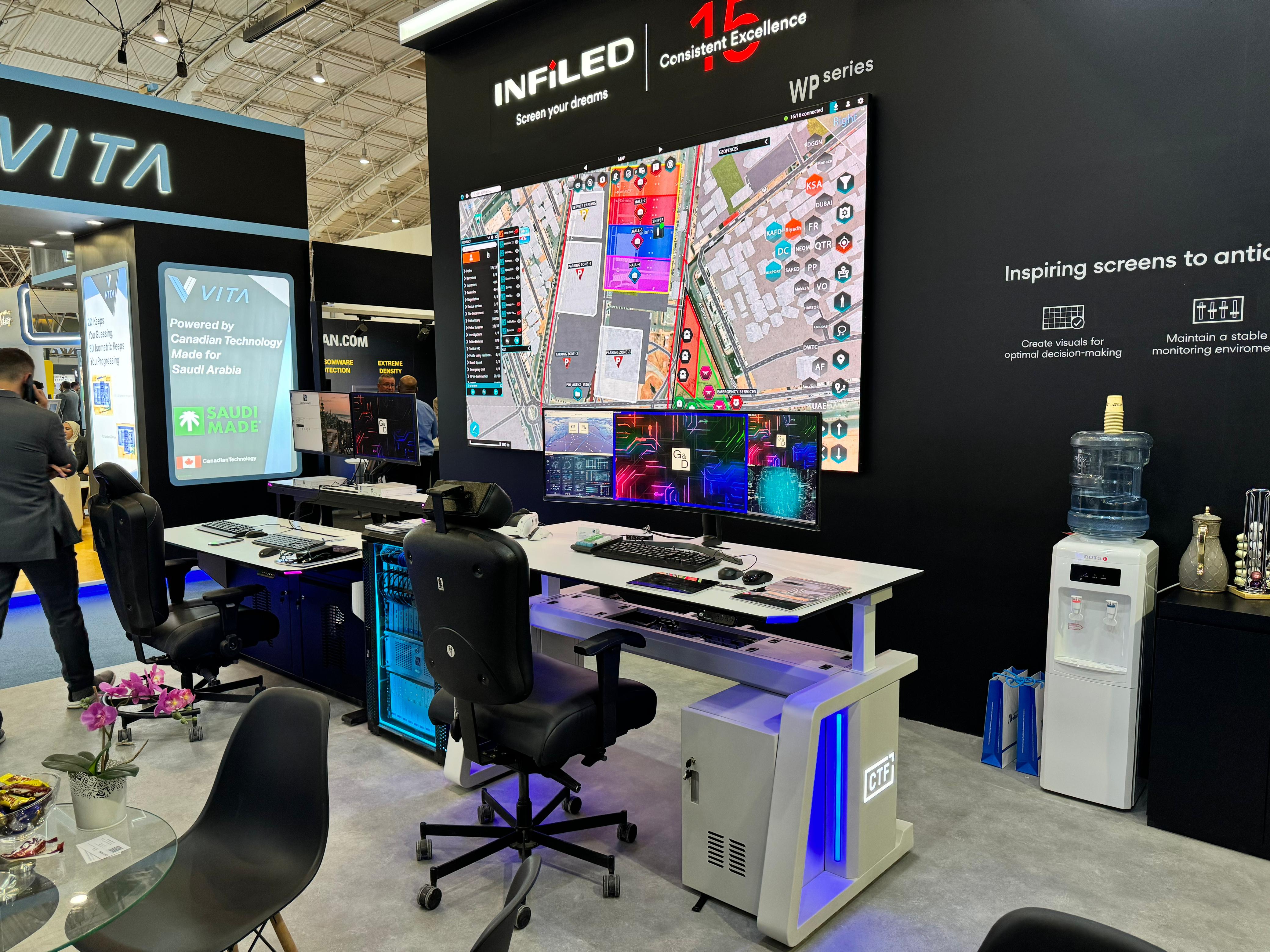
The design of technical furniture for control rooms specifically addresses the needs of continuous monitoring environments through its development process which prioritizes ergonomic design and equipment integration and cable management and thermal performance and future adaptability.
The actual distinction between a security console that works effectively and one that only appears to function properly exists in this particular aspect.
-
Ergonomic Design Built for Long Shifts
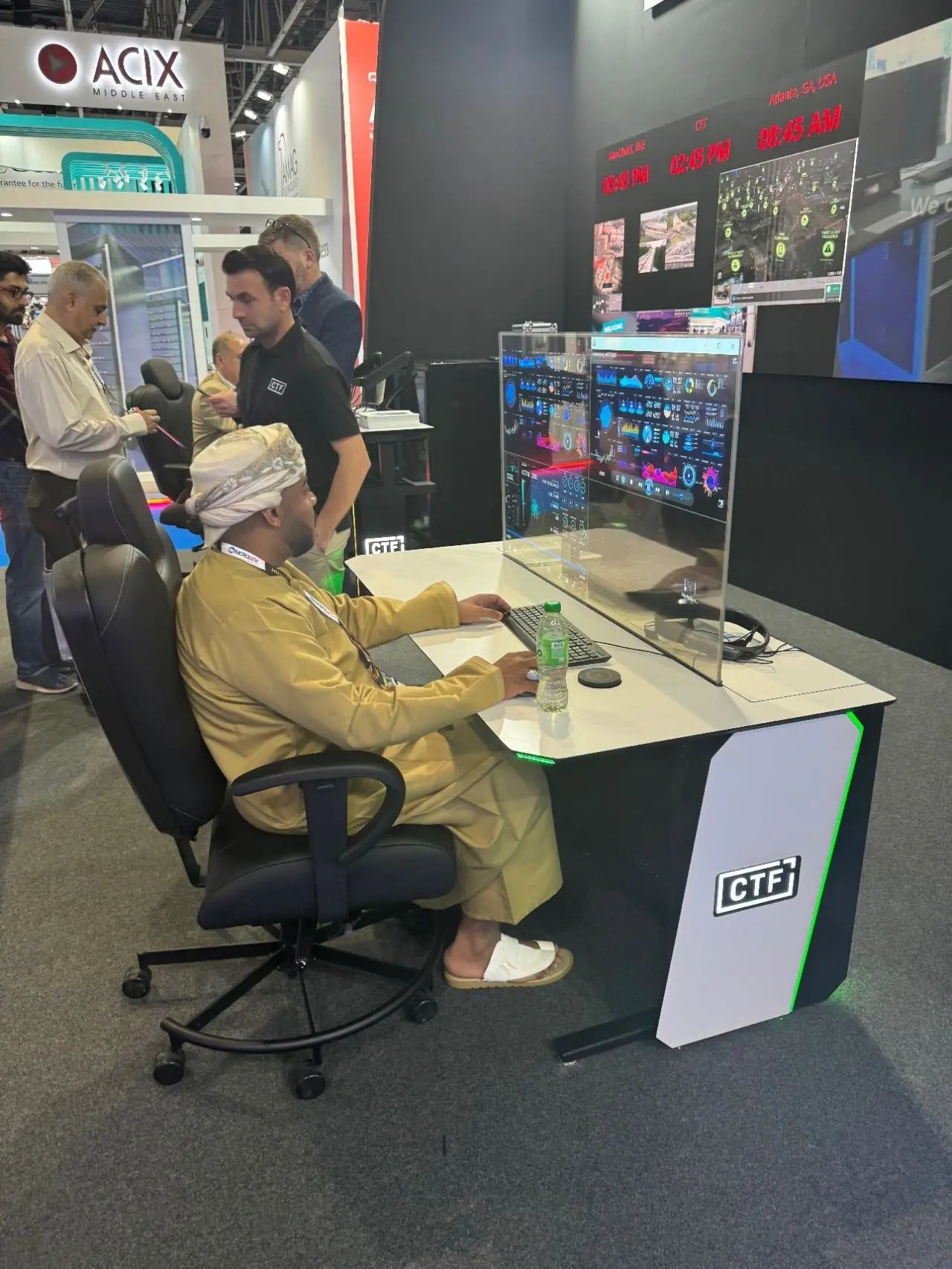
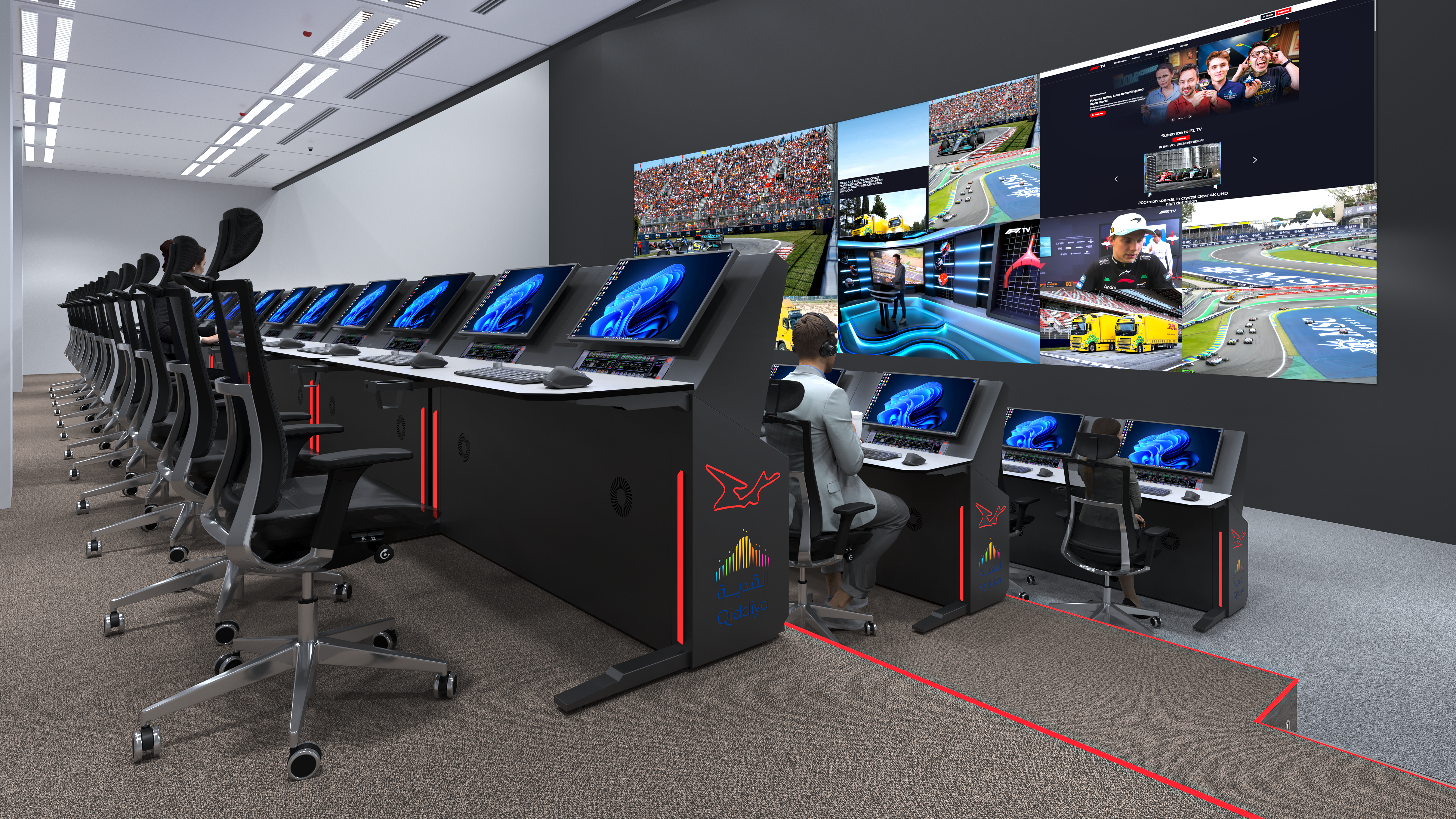
Operators spending eight to twelve hours at a workstation need a setup that supports their body throughout that entire period. Height-adjustable surfaces, proper monitor positioning, and thoughtful input device placement all contribute to sustained alertness and reduced fatigue, directly affecting how well an operator performs across a long shift.
-
Multi-Monitor Support
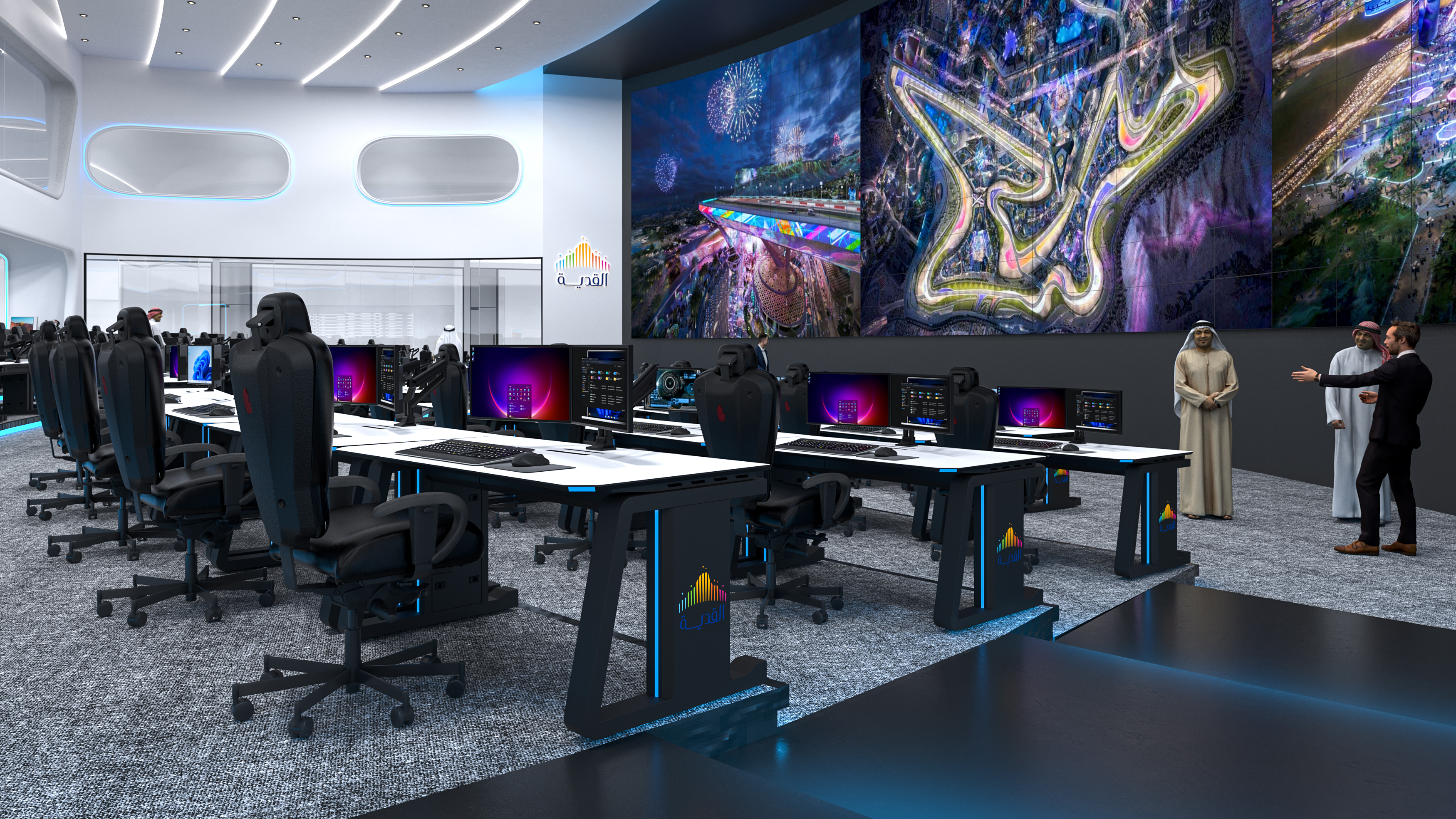
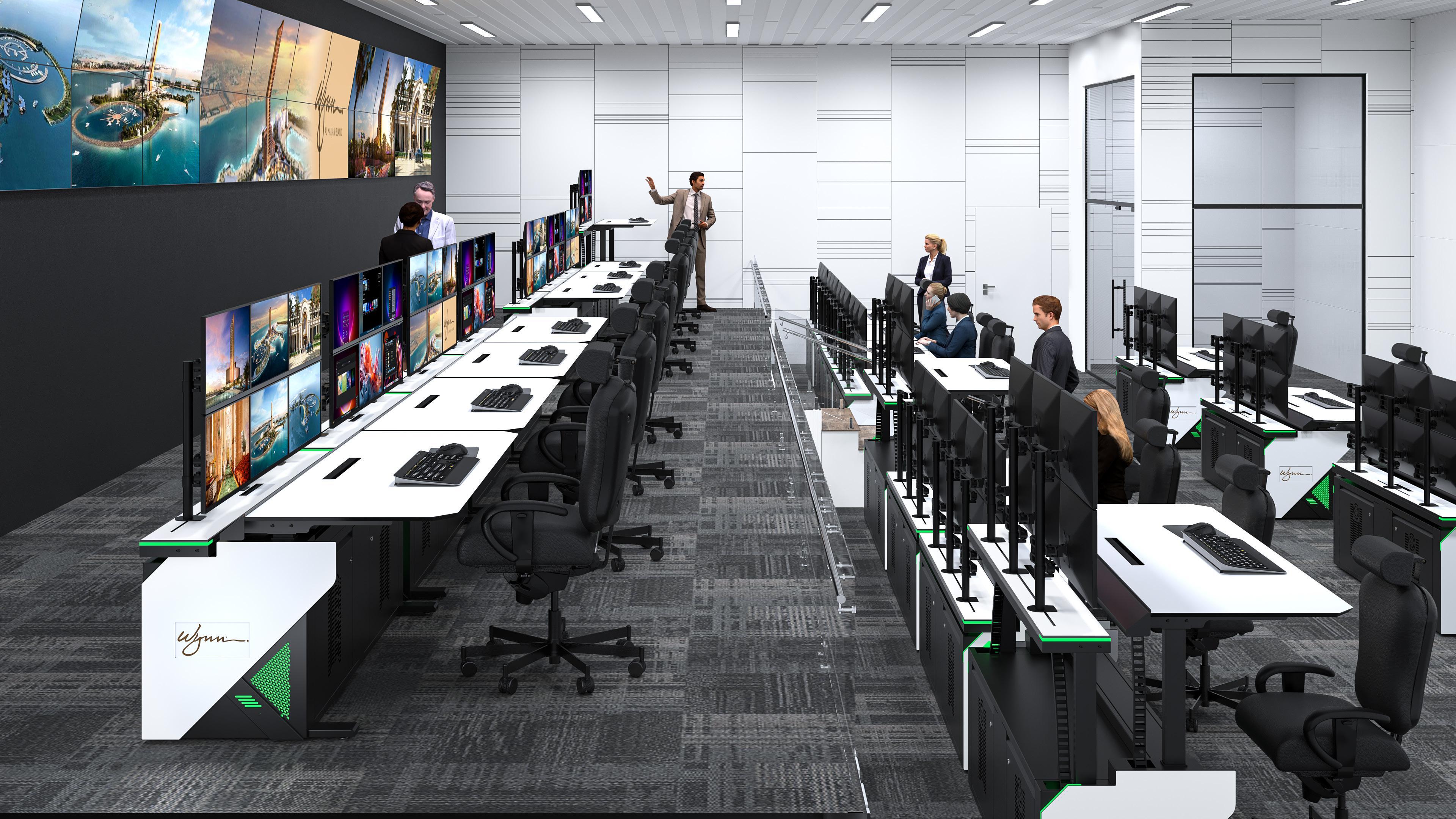
Modern surveillance operations run on information density. Operators may be managing dozens of camera feeds, alarm systems, and communication channels simultaneously. Surveillance control room consoles need to support complex multi-monitor configurations, sometimes six, eight, or more screens per workstation, arranged in ways that are actually practical to use.
-
Integrated Cable and Power Management
Poor cable management creates two problems for organizations because it creates an unkempt appearance and becomes an operational safety risk. The room operations experience negative impacts from cables that either create heat buildup or restrict movement throughout the space. Properly designed consoles manage power and data routing internally, keeping surfaces clear and maintenance straightforward.
-
Thermal Management
Multiple screens and processing units generate significant heat. A room which operates continuously requires its thermal management system to function at all times. Quality security control room furniture accounts for airflow and heat load from the outset, protecting both equipment and operators.
The Operational Impact of Getting It Right
Faster Response Times: When a workspace is logically laid out, the right information in the right place, and controls within easy reach, response times improve. In security operations, seconds genuinely matter.
According to human factors research, ergonomic workstation design has been shown to significantly reduce operator error rates and improve performance.The surveillance team operating 24 hours a day throughout the week experiences a major improvement in their operational work capabilities. The combination of reduced fatigue enables better concentration which decreases the occurrence of mistakes.
Scalability as Technology Evolves: Security technology doesn't stand still. Control room consoles designed with adaptability in mind can accommodate new cameras, software, and communication systems without requiring a complete overhaul every few years, a meaningful long-term cost consideration.
Why UAE Security Operations Have Specific Requirements
The UAE security and surveillance system functions at its highest capacity because it needs to meet the requirements of its most challenging operational environments. From urban surveillance networks to airport security and critical infrastructure protection, the requirements are consistently high.
The UAE’s smart city and surveillance sector is expected to see significant growth in the coming years, driven by continued investment in public safety infrastructure. because public safety infrastructure development and security system integration projects continue to receive funding throughout the region.
In this context, the quality of security control room furniture is a core component of operational capability. UAE control rooms also need to account for cooling requirements beyond what temperate climates demand, making thermal management in console design even more critical.
What to Look for When Specifying Control Room Consoles
If you're setting up or upgrading a surveillance control room, these are the questions worth asking:
- The console must support all current equipment and future equipment needs without requiring a complete system redesign.
- The design process needs to decide whether to include all ergonomic elements or treat them as secondary design factors.
- The system design must manage thermal output generated by multiple displays and processing devices.
- The 24/7 operational environment requires maintenance procedures that allow for uninterrupted service because any downtime is unacceptable.
- The manufacturer must demonstrate expertise that specifically relates to security and surveillance systems.
That last point matters more than it might seem. General office furniture manufacturers and specialist control room console manufacturers are solving fundamentally different problems.
The Bottom Line
The effectiveness of a security control room depends on its operators, whose performance depends on their working conditions.
The installation of security and surveillance control room consoles results in decreased operator fatigue and enhanced response times while safeguarding equipment and establishing a work environment that supports continuous monitoring operations.
The security operations in the UAE and other regions that require advanced technology for high-stakes situations receive return on investment because they deliver operational effectiveness and trustworthy performance along with constant availability of essential resources for your team.
At CTF Consoles, we design and build control room technical furniture specifically for environments where performance cannot be compromised. If you're planning a new control room or upgrading an existing one, we'd be glad to talk through what the right setup looks like for your operation.