
Designing Secure Control Room Consoles for Government & Defence Operations
When a critical situation unfolds, government and defence teams need to access information, communicate clearly and coordinate their response without unnecessary delays. Their control rooms must bring multiple monitoring systems, communication tools and operational interfaces together in a well-organised environment.
But designing such a workspace involves more than installing screens and technical equipment. Every workstation must support the tasks operators perform, the technology they use and the facility's operational requirements.
For government agencies and defence facilities across Dubai, the UAE, GCC and Saudi Arabia, custom control room consoles provide a practical foundation for building efficient, adaptable command environments.
What Makes a Government or Defence Control Room Different?
Unlike conventional offices, command centres may need to accommodate continuous monitoring, multiple communication channels and several operators working together.
A poorly planned layout can create unnecessary movement, obstruct visibility or make technical equipment difficult to access. Purpose-built government control room consoles help address these challenges by organising workstations around specific operational needs.
Here are three common design challenges and how to approach them.
Challenge 1: Too Much Information Across Multiple Screens
Operators may need to monitor surveillance feeds, operational dashboards, communication interfaces and other information simultaneously.
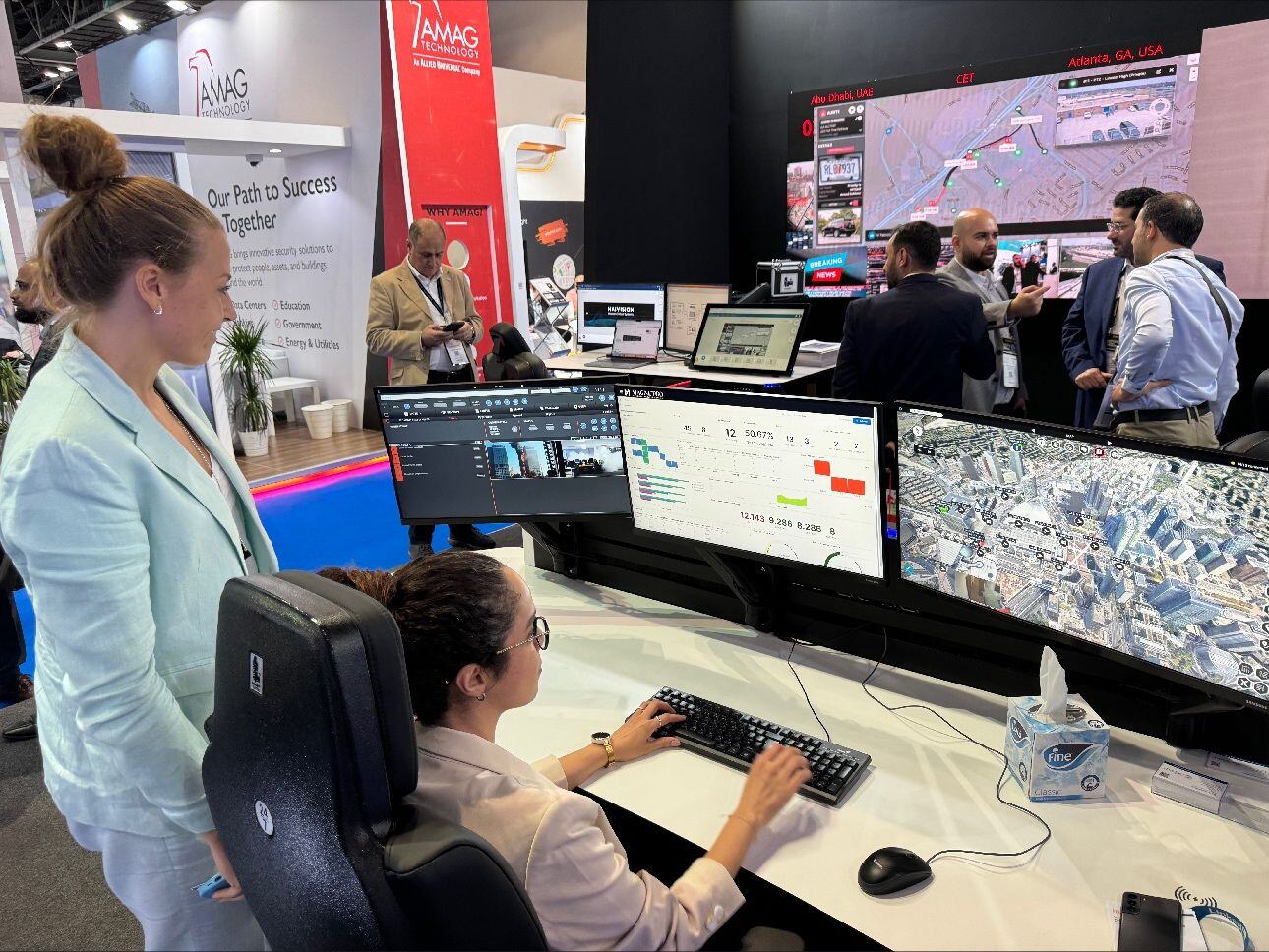
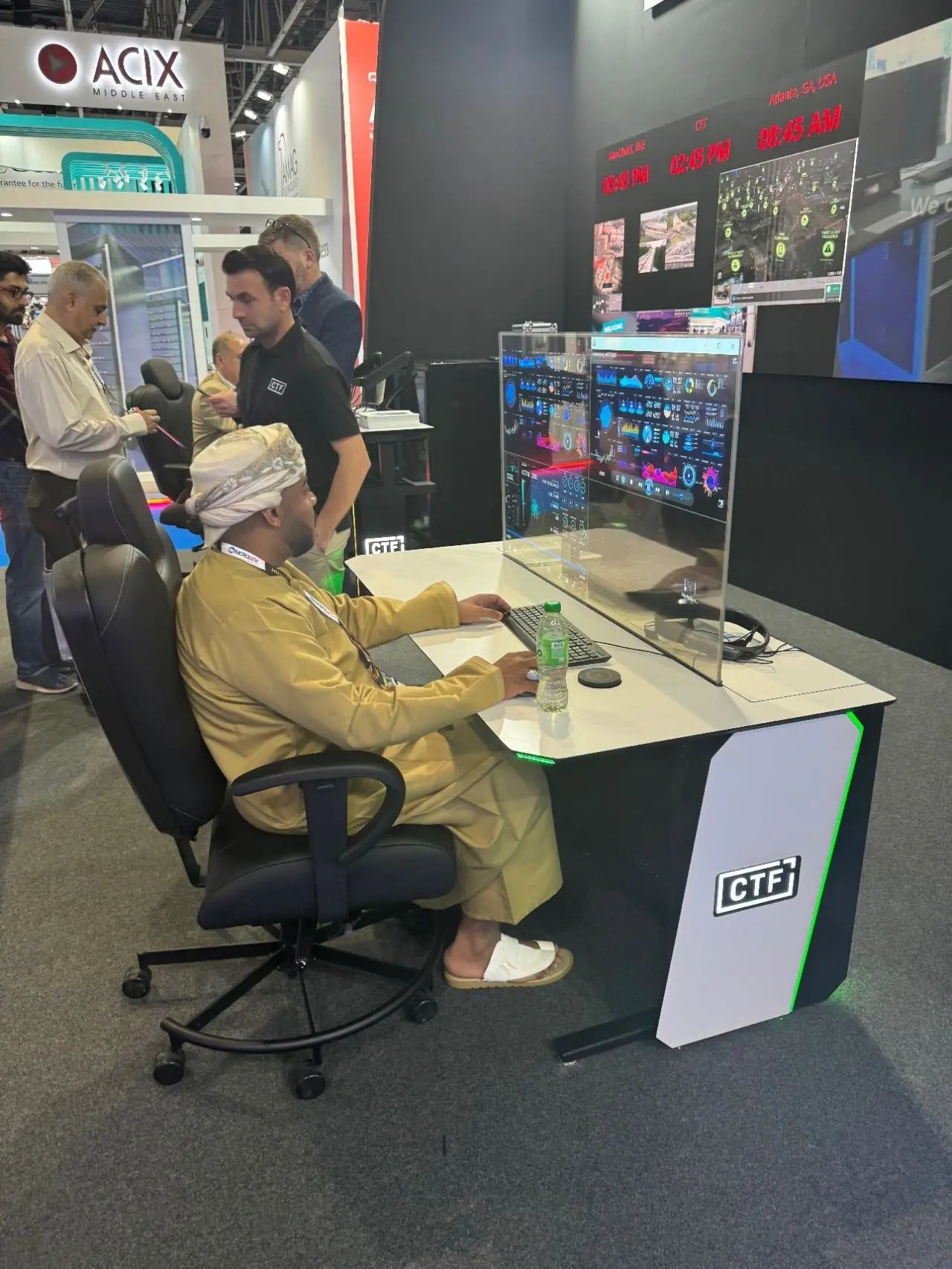
The design approach: Plan monitor placement around operator responsibilities. Consider viewing angles, screen sizes, video wall visibility and access to frequently used controls. The goal is to make essential information easier to view without overcrowding the workstation.
Challenge 2: Complex Equipment and Cable Requirements
Command centres can contain computers, communication devices and specialist technical equipment. Poor equipment placement and unstructured cabling can complicate maintenance and limit usable workspace.
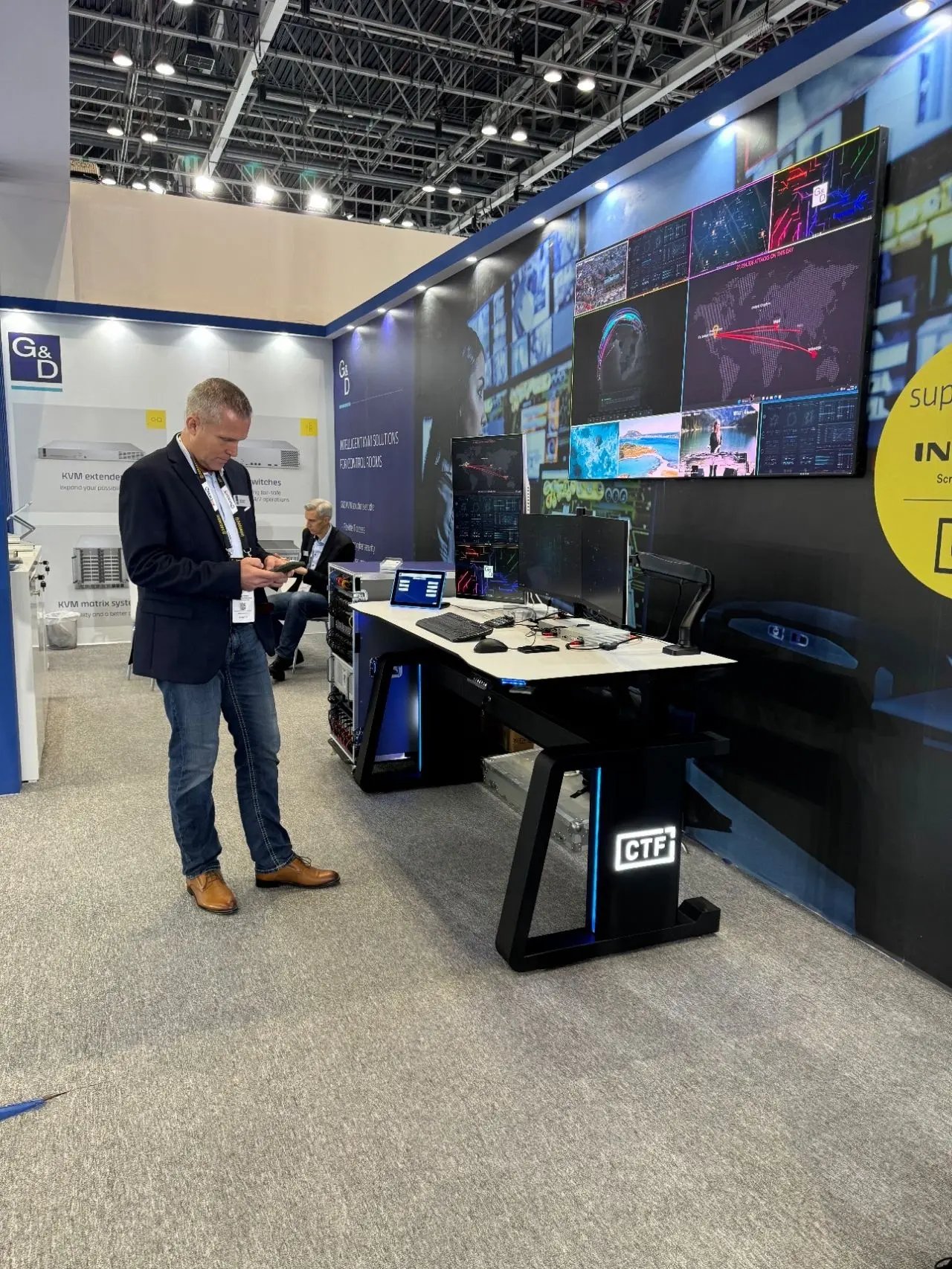
The design approach: Select custom defence control room furniture with suitable equipment compartments, integrated cable routing and appropriate ventilation provisions. Ensure technical teams can access equipment for servicing without unnecessary disruption.
Challenge 3: Long Shifts and Changing Operational Needs
Extended monitoring duties can place physical demands on operators. Meanwhile, evolving technology may require additional displays, replacement equipment or changes to workstation configurations.
The design approach: Prioritise ergonomics through appropriate monitor positioning, adjustable work surfaces where required and sufficient legroom. Consider modular console configurations that can accommodate future changes where practical.
.png)
Choosing the Right Console Configuration
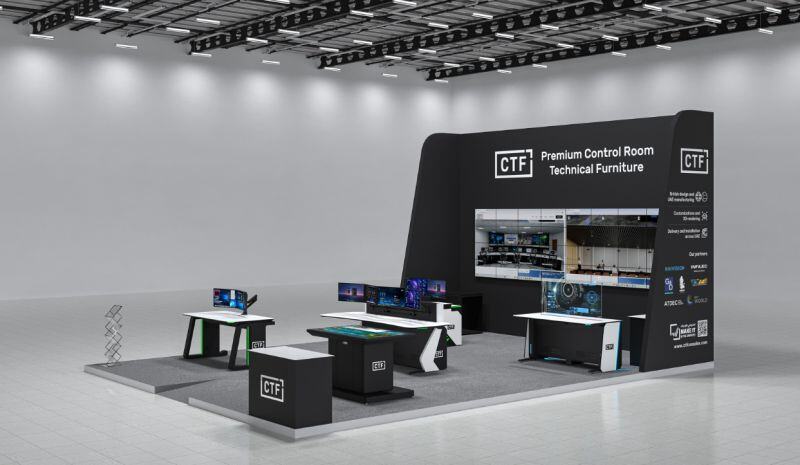
There is no single console design suitable for every government or defence facility. A surveillance centre, emergency coordination room and military command centre may each have different space, equipment and operator requirements.
Before selecting a solution, assess the number of workstations, display configurations, equipment dimensions, room layout and expected operational changes. Involving end users, IT teams, facility planners and security specialists early can help ensure the final configuration meets the project's requirements.
.png)


.png)
-1.webp)