news Modular vs Custom Control Room Consoles

Modular vs Custom Control Room Consoles

Modular vs Custom Control Room Consoles: Which Is Right for Your Facility?

Planning a new control room or upgrading an existing facility? One of the most important decisions is choosing the right console configuration. With multiple operators, monitoring displays, communication systems, and technical equipment to accommodate, workstation design can directly affect how efficiently the control room functions.

Two common approaches are modular and custom control room consoles. Both offer advantages, but the right choice depends on your facility's layout, operational requirements, equipment needs and future expansion plans.

So, should you choose a modular configuration or invest in custom-designed control room furniture? Let's explore the differences.

What Are Modular Control Room Consoles?

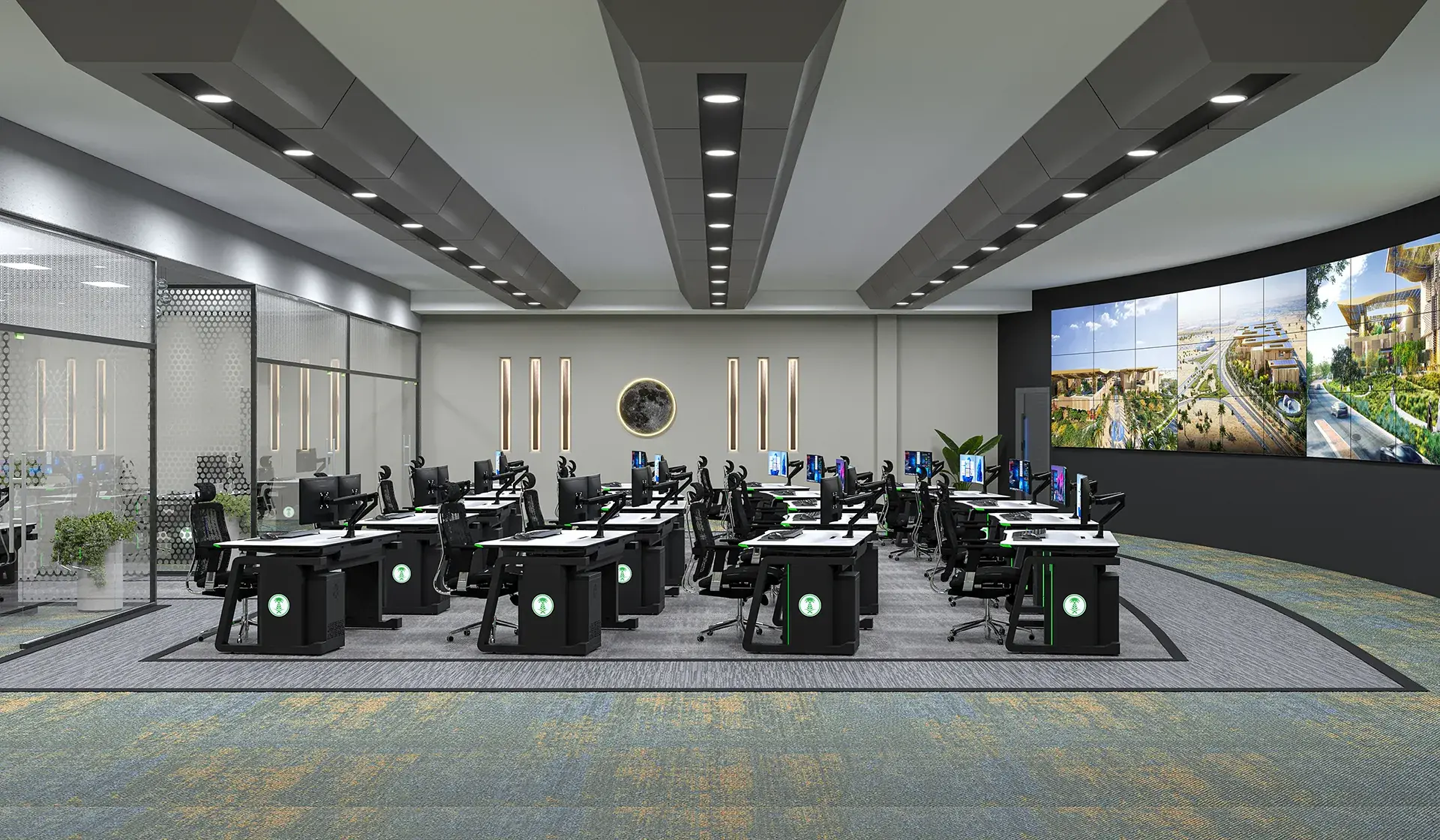
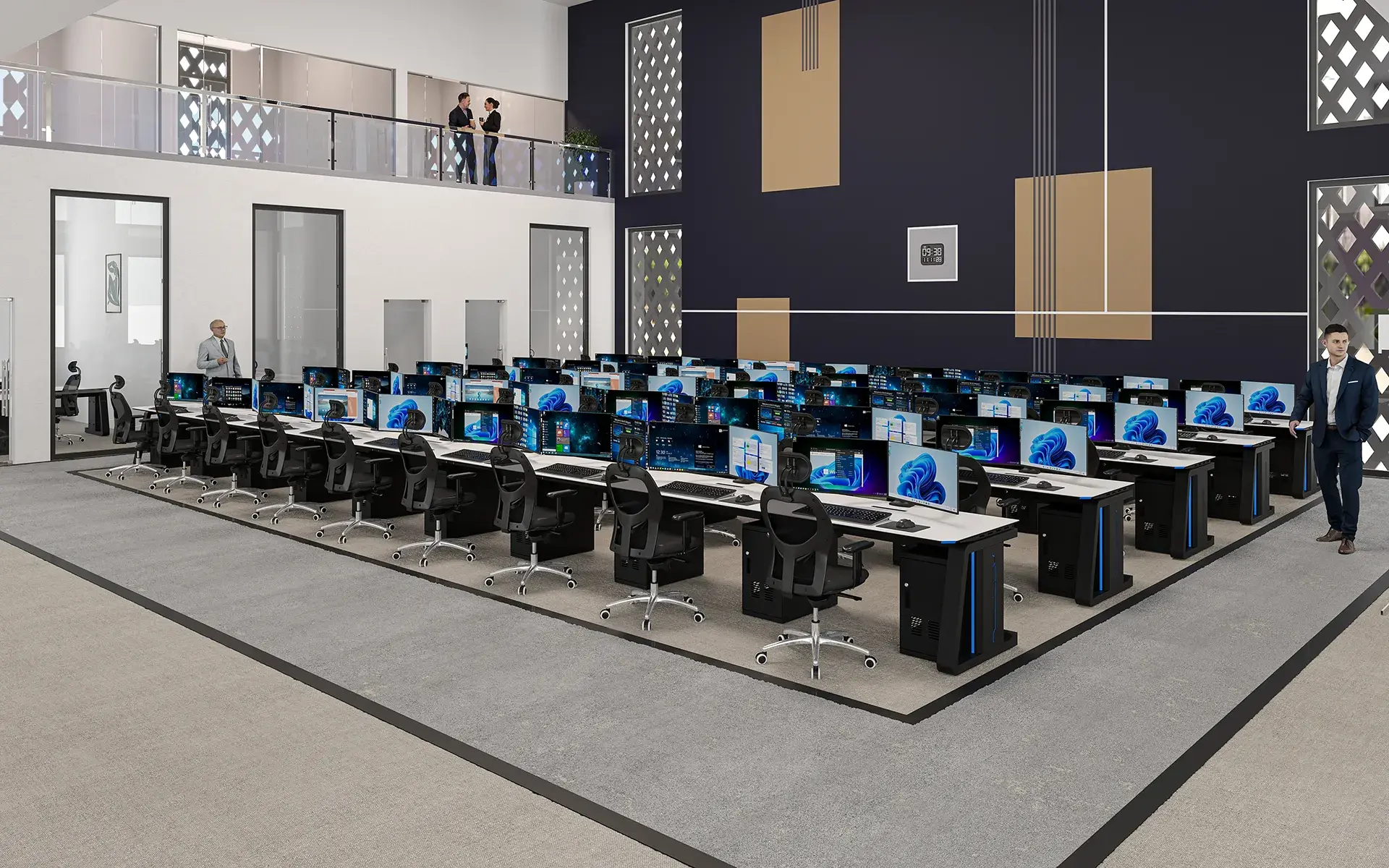
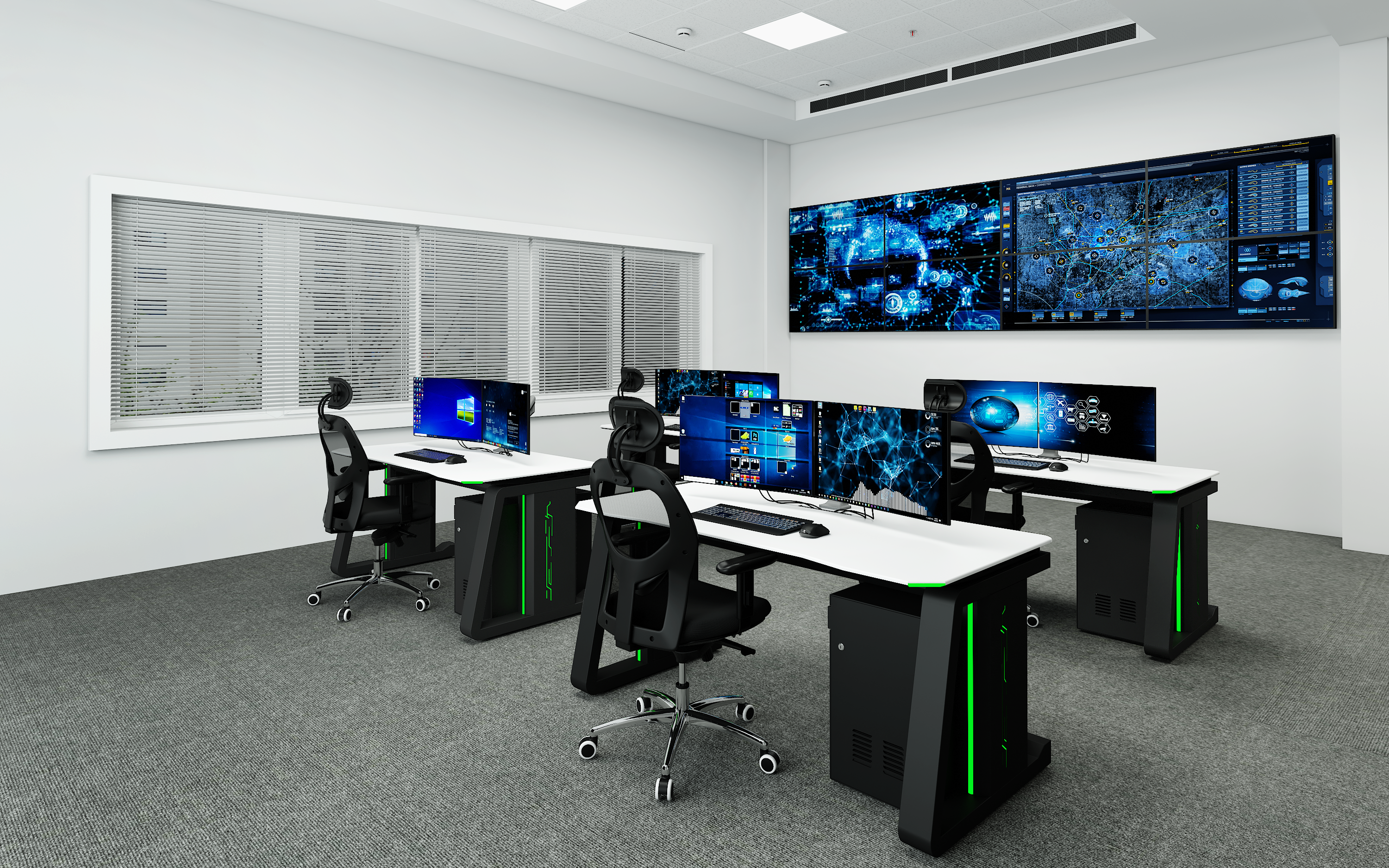
Modular control room consoles use configurable components that can be arranged to suit different workstation layouts and operational requirements.

Rather than relying on an entirely fixed design, modular systems allow organisations to select and combine workstation elements according to their needs.

Key advantages include:

  • Layout flexibility: Configure workstations to accommodate different room dimensions and operator positions.
  • Scalability: Add or rearrange workstation components as operational requirements change, subject to system compatibility.
  • Equipment integration: Incorporate monitor mounts, equipment compartments and cable management provisions.
  • Maintenance convenience: Access individual components more easily when servicing or replacing equipment.

Modular consoles are particularly useful for facilities expecting changes in operator numbers, monitoring requirements or technology over time.
airporthub

What Are Custom Control Room Consoles?

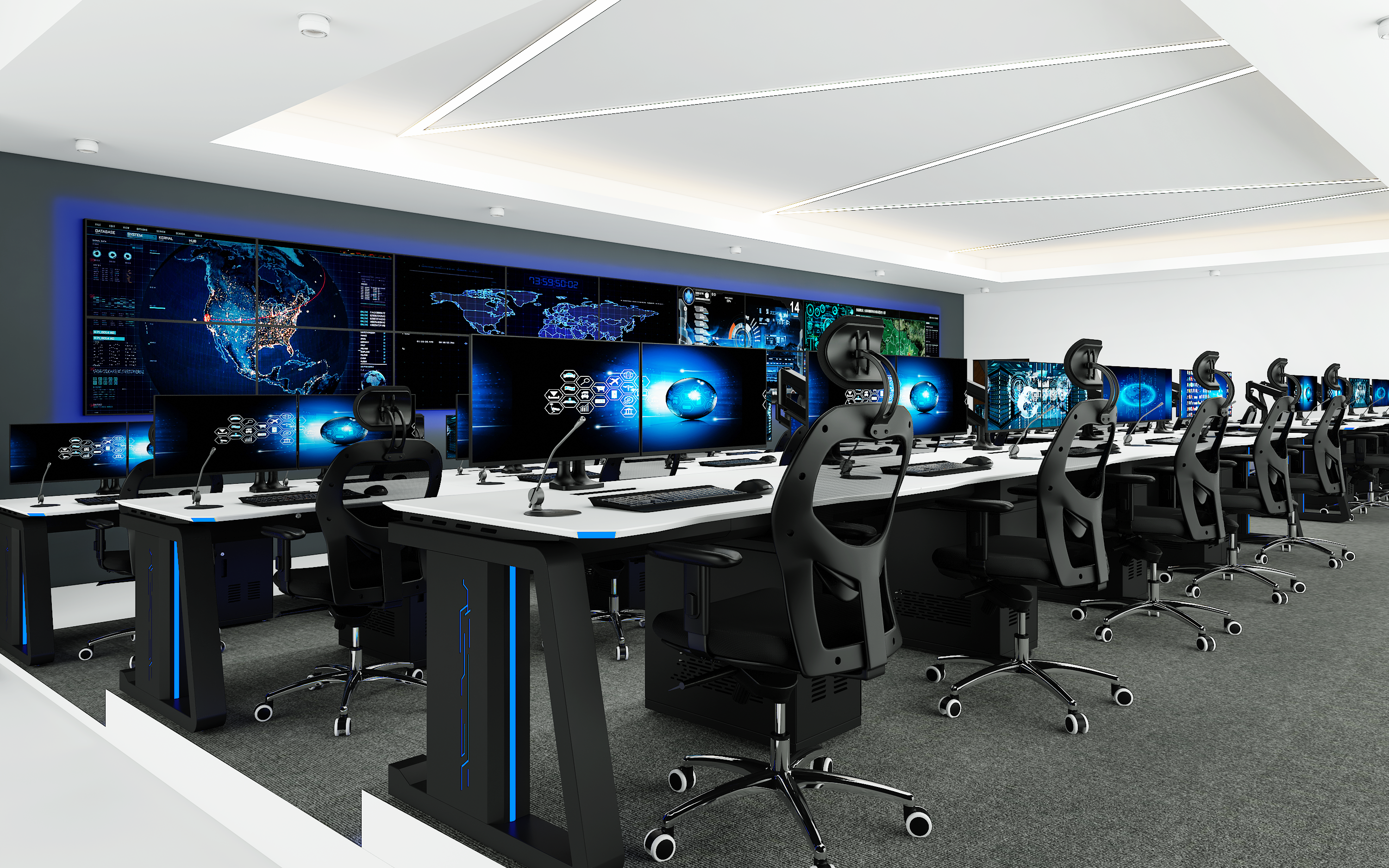
Custom control room consoles are designed around the specific requirements of a facility rather than relying solely on standard configurations.

Every aspect, from workstation dimensions and monitor positioning to equipment compartments and technical integration, can be planned according to the intended application.

Key advantages include:

  • Application-specific design: Align workstation configurations with the facility's operational workflows.
  • Space optimisation: Make better use of available floor space and accommodate unusual room layouts.
  • Tailored ergonomics: Plan monitor positions, desk heights and operator access around specific requirements.
  • Specialised equipment integration: Accommodate particular technical systems, equipment dimensions and connectivity needs.

Custom consoles are particularly suitable for facilities with specialised operational requirements or complex equipment configurations.

Modular vs Custom Control Room Consoles: What Is the Difference?

While both approaches can support professional control room environments, their suitability varies depending on the project.

Modular consoles are generally preferable when:

  • Future workstation expansion is anticipated.
  • The facility requires flexible workstation arrangements.
  • Standardised components can meet equipment requirements.
  • Organisations want to reconfigure workspaces as operational needs evolve.

Custom consoles are generally preferable when:

  • The control room has unique dimensions or space limitations.
  • Specific equipment requires dedicated integration.
  • Operator workflows demand specialised workstation configurations.
  • The project requires a design tailored to particular operational processes.

Neither option is universally better. The most suitable approach is the one that meets the facility's technical and operational requirements.

5 Factors to Consider Before Choosing Your Control Room Console

Before making a decision, evaluate these five important considerations:

1. Available Floor Space

Assess room dimensions, workstation arrangements, circulation areas and operator positions. The console configuration should support efficient movement without overcrowding the facility.

2. Equipment and Display Requirements

Consider the number of monitors, computers, communication devices and other technical equipment. Ensure the selected furniture can accommodate the required equipment and ventilation provisions.

3. Operator Ergonomics

Evaluate adjustable work surfaces, monitor positioning, viewing distances and accessibility. A comfortable workstation is particularly important in 24/7 monitoring environments.

4. Future Expansion

Think about upcoming technology upgrades, additional operator positions and changes in monitoring requirements. A flexible console configuration can help accommodate these developments.

5. Installation and Maintenance

Consider equipment access, cable management, component replacement and ongoing maintenance requirements when evaluating different console designs.

Finding the Right Control Room Console with CTF Consoles

Choosing between modular and custom control room consoles requires more than comparing workstation designs. It involves understanding how operators work, what equipment needs to be integrated and how the facility may evolve.

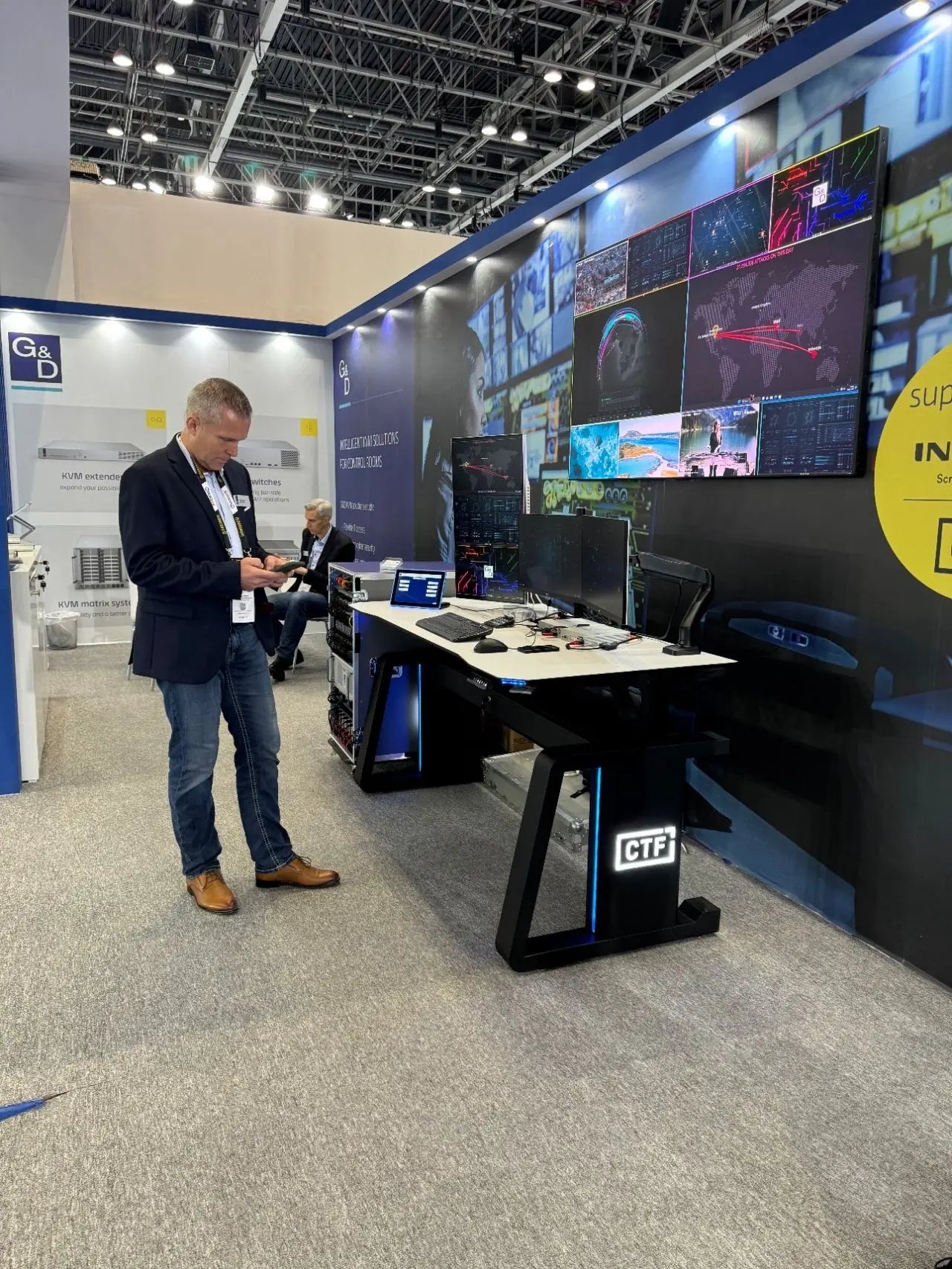
CTF Consoles provides specialised control room consoles and technical furniture for mission-critical environments. Its range of console solutions supports different workstation requirements, allowing organisations to explore configurations suited to their operational needs.

Whether you are developing a new command centre or upgrading an existing control room, explore the CTF Consoles product range to identify suitable workstation options.
gccuae

Conclusion

Modular and custom control room consoles both offer valuable benefits. Modular systems provide configuration flexibility, while custom consoles allow greater control over application-specific workstation requirements. For organisations across Dubai, UAE, GCC and Saudi Arabia, selecting the right console configuration starts with understanding the operational demands of the facility.

The right choice ultimately depends on your facility's space, equipment, operator workflows and plans. By evaluating these factors early, organisations can invest in control room furniture that supports efficient operations today and remains adaptable for tomorrow.

1705504277456
1705504278002
1705590713886
1705046058571
1705504278453
1705590716289